7 Tips for Buying Composite Rebar FRP?
Buying Composite Rebar FRP requires more than comparing prices per metre. The right product must match the concrete environment, design loads, installation method, and project life. MarketsandMarkets’ 2024 composite rebar report identifies corrosion resistance and infrastructure renewal as major market drivers. Yet market growth alone does not prove product suitability. ACI 440.11-22 provides design guidance for GFRP-reinforced concrete, while ASTM D7957/D7957M addresses key performance requirements for glass-fiber-reinforced polymer bars. These references create a stronger purchasing foundation.
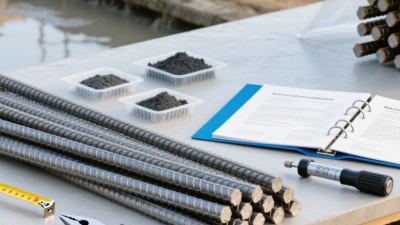
Professor Antonio Nanni, a leading FRP-reinforced concrete researcher, has emphasized, “FRP is not steel; it is a different material with different behavior.” That distinction matters on a real jobsite. A bar may look like ribbed steel, but its tensile response, bond behavior, thermal expansion, and shear capacity differ. Ask for verified tensile strength, elastic modulus, glass-fiber content, surface treatment, and lot-level test records. Check whether the supplier provides design support and installation guidance. Small details matter.
A cheap bar can become expensive.
The seven tips ahead focus on practical buying decisions. They examine certification, resin quality, durability evidence, dimensions, handling, supplier reliability, and total project cost. Some comparisons remain imperfect because manufacturers report performance differently. That is worth admitting. A neat spreadsheet can still hide testing gaps. Buyers should review independent documentation, not rely on brochures alone. The safest decision combines engineering judgment, recognized standards, field experience, and evidence that can be traced back to the actual production batch.
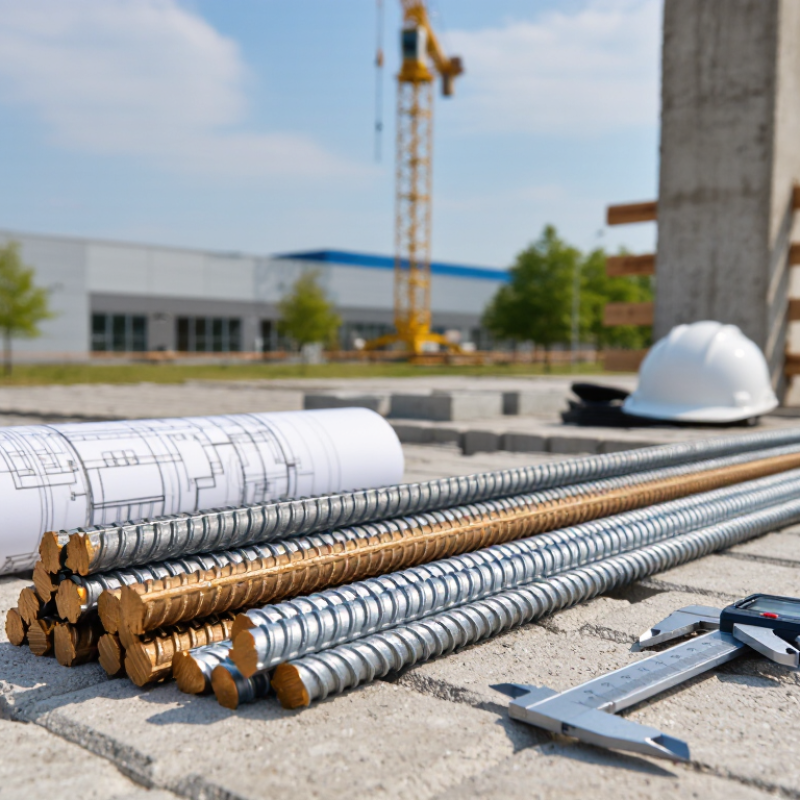
Understand Composite Rebar FRP and Its Construction Applications
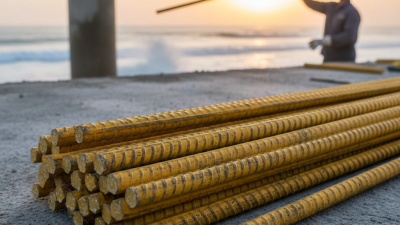
Composite rebar FRP uses fiber reinforcement embedded in a polymer matrix. It resists corrosion and weighs less than steel, making it useful for bridge decks, seawalls, parking structures, and concrete panels exposed to moisture or salts. However, FRP is not a direct steel replacement. Its lower elastic modulus can produce wider cracks and greater deflection if the design ignores serviceability. It also cannot be bent or welded easily on site. A structural engineer should verify the design using project conditions and applicable construction standards.
Tip 1: Check the fiber type, resin system, bar diameter, and certified tensile properties.
Tip 2: Match the bar’s surface texture with the required bond performance.
Tip 3: Review creep, sustained-load, temperature, and fire data before specifying it.
Tip 4: Confirm stock lengths and bending details before concrete placement.
Tip 5: Keep bars supported, capped, and protected from cutting damage.
Tip 6: Train crews to use approved tools, not improvised equipment.
Tip 7: Request traceable test reports and installation guidance from the supplier.
Small details matter.
A practical mistake is treating FRP like steel during handling. I would also question unusually high strength claims without independent documentation.
Field conditions can expose weaknesses that laboratory figures miss, especially around supports, laps, and congested reinforcement zones.
Define Your Project Requirements Before Choosing FRP Rebar
Before choosing composite rebar FRP, define the structure’s real demands. Record span lengths, concrete cover, bar diameters, spacing, and expected loads. Exposure conditions matter too. Note salt spray, deicing chemicals, moisture, temperature changes, and possible fire exposure. FRP resists corrosion, but it does not behave like steel under every condition.
Ask the design engineer to verify tensile strength, stiffness, bond performance, and serviceability limits. Check the applicable building codes and require independent test reports. A small bridge deck may need different properties than a parking slab or marine walkway. Also review bending requirements before ordering. Some FRP bars cannot be bent on site.
Installation details deserve equal attention. Measure cutting tools, storage space, lifting limits, and worker training. Keep the bars supported and protected from sharp impacts. Store them away from direct damage and uncontrolled heat. Small details matter. A rushed delivery can disrupt an otherwise sound design.
Cost comparisons should include transport, labor, corrosion protection, and future maintenance. The lowest purchase price may not create the lowest lifecycle cost. One practical lesson is easy to overlook: project assumptions change during construction. Recheck bar lengths, cover, and opening locations before placing concrete. FRP selection is not a product decision alone; it is a documented engineering decision tied to the site, structure, and installation reality.