10 Essential Tips for Choosing Molded Fiberglass Grating Solutions?
Molded Fiberglass Grating has emerged as a vital solution in various industrial applications, thanks to its lightweight yet sturdy properties. According to a report by the Composites Market Insights, the molded fiberglass market is expected to grow at a CAGR of 6.5% from 2021 to 2026. This growth highlights the increasing demand for durable and corrosion-resistant materials.
Choosing the right molded fiberglass grating requires carefully considering factors such as load capacity, chemical resistance, and installation ease. Many industries, from chemical processing to wastewater treatment, rely on grating systems for safety and efficiency. However, not all products are created equal, leading to potential headaches if the wrong choice is made.
In some cases, buyers focus solely on price, neglecting key performance metrics. This can result in costly failures and safety hazards. Understanding the nuances of molded fiberglass grating will enable better decision-making. A well-informed choice ensures longevity and reliability, critical components for maintaining operational standards. Investing time upfront pays dividends in the long run.

Understanding Molded Fiberglass Grating: Key Features and Benefits
Molded fiberglass grating is becoming increasingly popular due to its unique benefits. It provides exceptional strength while being lightweight. This composite material boasts an average tensile strength of 40,000 psi and a flexural strength of approximately 50,000 psi. These characteristics make it suitable for various industrial applications, including platforms, walkways, and drainage covers.
Durability is key. Molded fiberglass grating resists corrosion and does not rust, unlike metal alternatives. Research indicates that environments with high moisture and chemical exposure can erode metals swiftly. In contrast, fiberglass maintains its structural integrity over time. This longevity can reduce replacement costs and downtime.
Safety is another crucial factor. The non-slip surface of molded fiberglass grating helps prevent accidents. Statistics show that slip and fall incidents account for a significant percentage of workplace injuries. Selecting a grating solution that enhances safety can be a wise decision. While fiberglass offers many advantages, it is essential to assess specific needs to ensure proper selection for your project.
10 Essential Tips for Choosing Molded Fiberglass Grating Solutions
| Feature |
Benefit |
Considerations |
Applications |
| Corrosion Resistance |
Ideal for harsh environments |
Check for chemical exposure |
Chemical plants |
| Lightweight |
Easier to handle and install |
Ensure structural support |
Platform flooring |
| Slip Resistance |
Increased safety |
Assess foot traffic |
Walkways |
| Durability |
Long lifespan |
Consider load requirements |
Heavy equipment areas |
| UV Resistance |
Resists degradation from sunlight |
Location and exposure |
Outdoor installations |
| Customizability |
Tailored to specific needs |
Lead time for production |
Specialty projects |
| Ease of Maintenance |
Less time and cost involved |
Regular inspection needed |
Industrial settings |
| Thermal Insulation |
Helps in temperature control |
Check for thermal load |
Power plants |
| Aesthetics |
Enhances visual appeal |
Color and finish options |
Commercial applications |
| Eco-friendliness |
Sustainable material options |
Verify sustainability claims |
Green buildings |
Assessing Load-Bearing Capacity for Your Specific Application
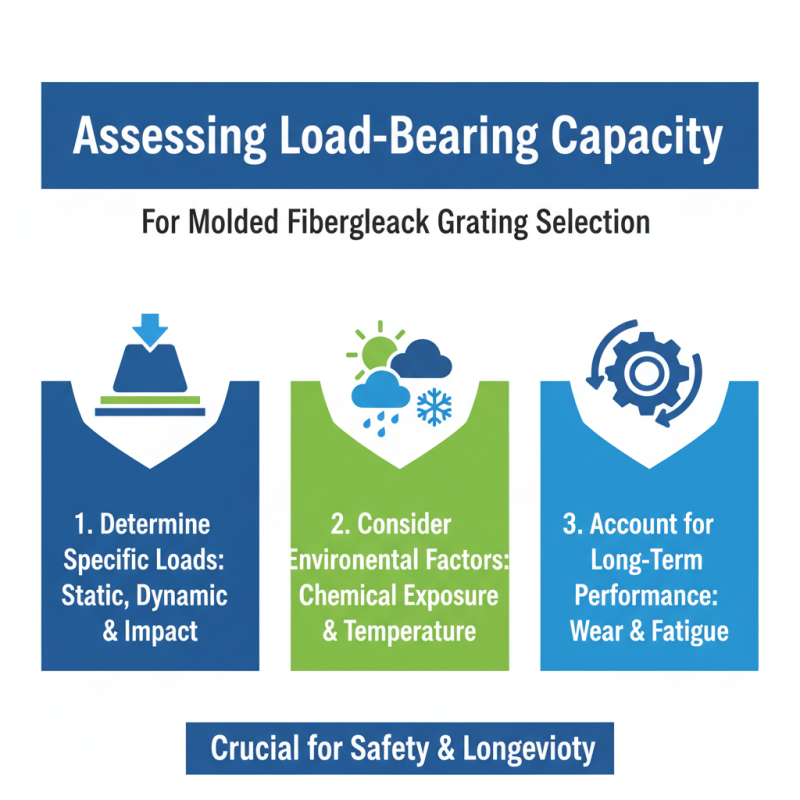
When selecting molded fiberglass grating, assessing the load-bearing capacity is crucial. Start by determining the specific loads your application will encounter. Consider dynamic loads, environmental factors, and potential wear over time. Each of these elements can significantly influence the performance of the grating.
Understanding the material properties is essential. Molded fiberglass has a high strength-to-weight ratio, making it suitable for various applications. However, it is vital to verify that the chosen grating can withstand the maximum expected load. Overloading can lead to catastrophic failures.
Tip: Always consult with experts to ensure the right choice. The wrong grating can lead to increased costs and safety risks. It’s sometimes hard to see the long-term impact of your choice. Also, test samples under real conditions when possible. Evaluating past projects can help guide your decisions.
Evaluating Chemical Resistance of Molded Fiberglass Gratings
When selecting molded fiberglass grating solutions, evaluating chemical resistance is crucial. Data indicates that fiberglass grating can withstand a variety of chemicals, making it an enduring option for industrial applications. Studies have shown that specific formulations can handle corrosive substances found in wastewater treatment and chemical processing. For instance, molded fiberglass grating demonstrates resilience against common acids and alkalis.
However, not all fiberglass gratings offer the same level of chemical resistance. Factors such as resin type and manufacturing process play a significant role. A report from the Composite Materials Handbook indicates that isophthalic polyester resins possess superior resistance to numerous industrial chemicals. Choosing the right resin can prevent costly replacements and safety hazards in the long run.
It's important to consult detailed resistance charts when making a selection. This ensures that the chosen grating can perform under expected conditions. In some instances, grating may fail unexpectedly due to chemical exposure. Regular monitoring of grating performance is vital. While molded fiberglass grating often prevails in harsh environments, informed decisions can maximize its lifespan.
Evaluating Chemical Resistance of Molded Fiberglass Gratings
Considerations for Grating Surface Texture and Safety
Choosing the right molded fiberglass grating requires careful consideration of surface texture and safety. The texture affects traction and slip resistance, critical for ensuring safety in various environments. According to industry reports, grating with a textured surface can enhance safety by reducing slip incidents by up to 60%.
When selecting grating, consider different surface textures. A rough surface can significantly improve grip, particularly in wet or oily conditions. However, overly rough textures may be uncomfortable for workers who stand for long periods. The balance between comfort and safety is essential. While textured surfaces provide benefits, maintaining cleanliness can become an issue, as dirt and debris may accumulate. Regular maintenance is a must.
Evaluate the specific needs of your facility. Areas with high foot traffic require grating alternatives that prioritize slip resistance. On the other hand, quieter sections may not need as much grip. Consult data from safety organizations to determine the most effective texture for your situation. Remember that the choice of grating shouldn't solely focus on aesthetics but must also prioritize safety and functionality. Grating design should adapt to the unique environment it will serve, ensuring long-term performance and safety.
Comparing Costs: Initial Investment vs. Long-Term Durability
When choosing molded fiberglass grating, cost considerations are paramount. An initial investment can be significant. However, it's essential to evaluate long-term durability, which often offsets upfront costs.
According to industry reports, properly maintained fiberglass grating can last over 25 years. This longevity can translate to reduced replacement expenses and maintenance needs.
It’s also crucial to consider environmental factors. Molded fiberglass grating resists corrosion, making it ideal for harsh chemical settings. This resilience ensures fewer repairs, which saves money in the long run. While the initial price may be higher than alternatives like steel or wood, the overall lifecycle cost shows better value.
Tip: Assess your setting's specific needs. Consider load requirements and exposure conditions. This will help narrow down choices that balance cost with performance. Another tip is to consult industry specialists. They can offer insights based on recent studies and findings. Do not overlook these resources; they can influence your decision significantly.