2026 Top Trends in Construction with Basalt Rebar Technology?
The construction industry is on the brink of a significant transformation with the increasing adoption of Basalt Rebar technology. This innovative material is revolutionizing how we approach structural integrity and durability. Experts like Dr. Emily Parker, a leading authority in advanced construction materials, have emphasized its potential: "Basalt Rebar offers unmatched strength and longevity, redefining industry standards."
As we look toward 2026, Basalt Rebar is set to become a key player in sustainable construction. Its lightweight nature and resistance to corrosion make it a favorable alternative to traditional steel. However, some challenges remain. Many builders are still unaware of its full benefits. Lack of training and understanding can limit its adoption.
Furthermore, the cost-effectiveness of Basalt Rebar technology needs ongoing assessment. Initial investment may be higher, but long-term savings can be substantial. With increasing awareness and expert guidance, the shift towards Basalt Rebar can reshape our approach to building. It's crucial for stakeholders to educate themselves about its advantages and address existing misconceptions.
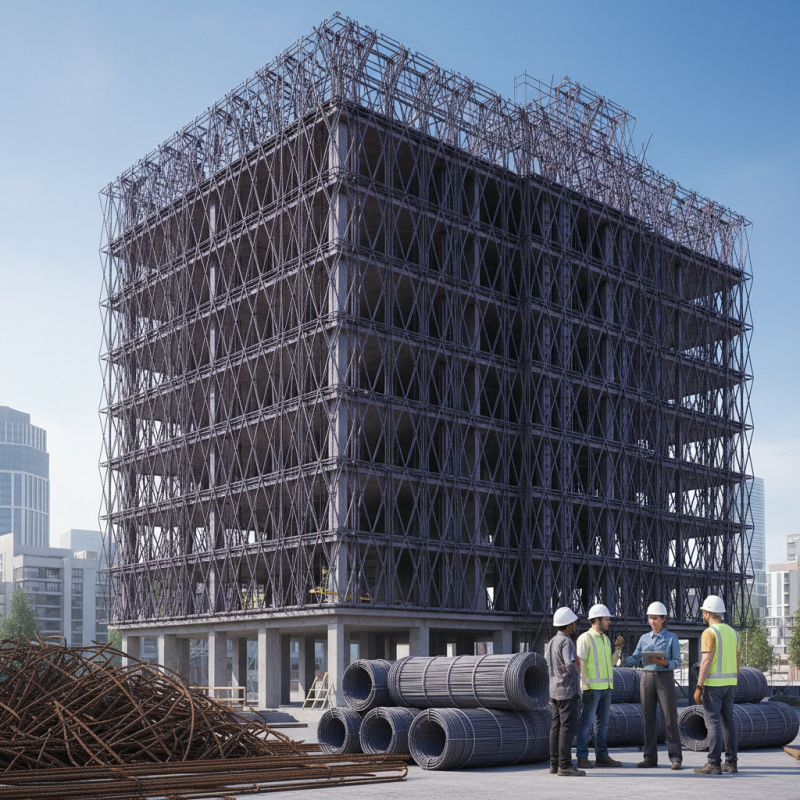
Overview of Basalt Rebar Technology in Construction Industry
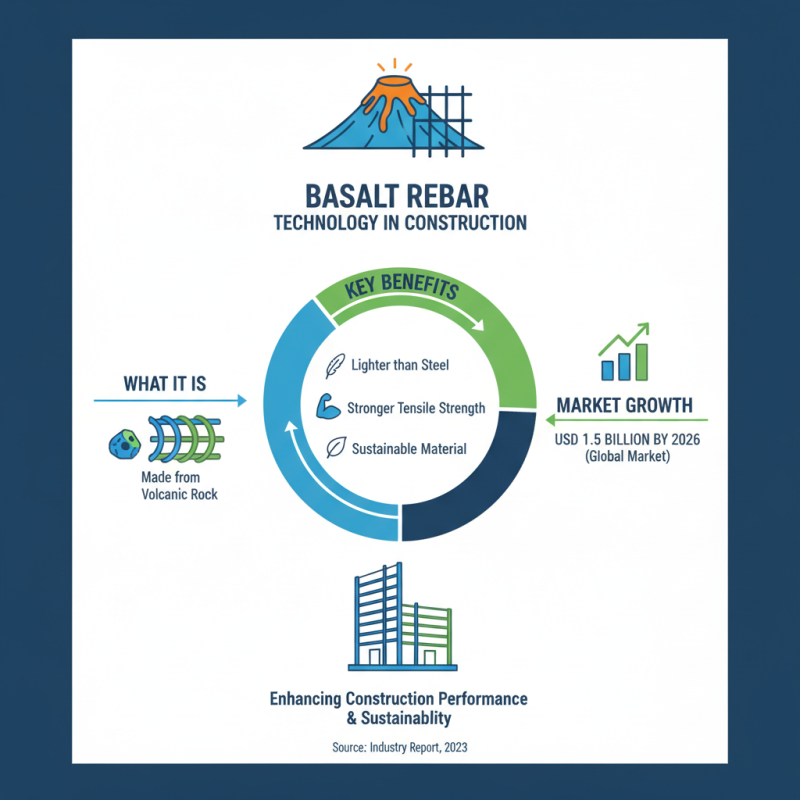
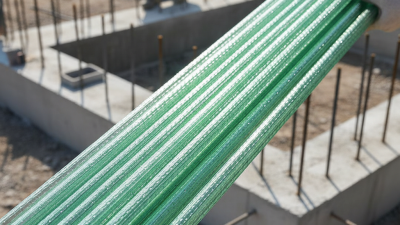
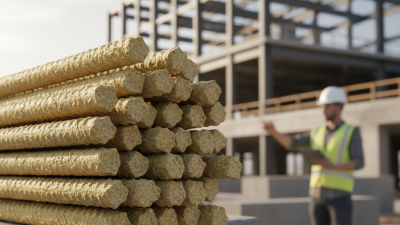
Basalt rebar technology is gaining traction in the construction industry. This product is made from volcanic rock, boasting properties that enhance performance. It is lighter than steel, yet stronger in tensile strength. A recent industry report indicates that the global market for basalt fiber composites is expected to reach USD 1.5 billion by 2026. This growth reflects a shift towards materials that improve sustainability.
The durability of basalt rebar plays a significant role in its appeal. It resists corrosion, making it suitable for harsh environments. Steel rebar faces challenges from moisture and chemicals. In contrast, basalt’s resilience ensures longevity. According to studies, structures using basalt rebar can last up to 30% longer than those reinforced with traditional materials. However, the technology is still underutilized in various regions due to high initial costs.
Adopting basalt rebar may require reevaluation of established practices. Traditional steel reinforcement is deeply ingrained in construction methods. Educating engineers and contractors on basalt technology can be complex. Despite its advantages, transitioning to new materials involves risks. The industry must address these obstacles to fully harness basalt’s potential.
Key Advantages of Using Basalt Rebar Over Traditional Materials
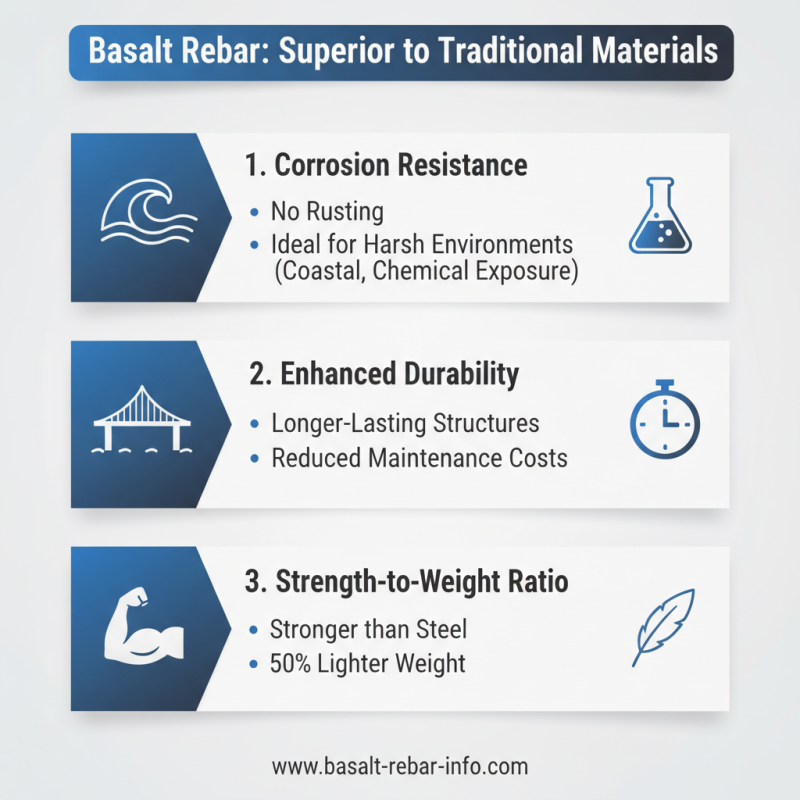
Basalt rebar offers several key advantages over traditional steel rebar. One significant benefit is its superior corrosion resistance. Unlike steel, basalt does not rust. This quality leads to longer-lasting structures, especially in harsh environments. For coastal buildings or those exposed to chemicals, this can be crucial. The durability of basalt rebar reduces maintenance costs over time.
Another notable advantage is its lighter weight. Basalt rebar is easier to handle and transport than steel. This efficiency can save time and reduce labor costs on construction sites. However, this lighter material may also lead to concerns about its load-bearing capacity. Proper engineering and testing are essential to ensure safety in structure design.
Thermal stability is also a highlight of basalt rebar. It withstands high temperatures without losing strength. This is particularly valuable for fire-prone areas or industrial applications. Yet, some may question its flexibility in certain applications compared to steel. This aspect requires thorough evaluation. Overall, the shift to basalt rebar is promising but demands careful consideration and expertise to maximize its benefits.
Emerging Construction Trends Influencing Basalt Rebar Adoption
The construction industry is evolving rapidly, with innovative materials leading the way.
Basalt rebar technology has gained attention for its unique properties.
It offers high tensile strength and corrosion resistance, making it suitable for various applications.
However, some industry experts express concerns about its long-term performance in extreme environments.
One emerging trend is the focus on sustainability. Builders seek eco-friendly materials that minimize environmental impact.
Basalt rebar is made from volcanic rock, which is abundant and requires less energy to produce.
This aligns with global initiatives for greener construction practices.
However, the awareness of basalt rebar's full potential is still growing.
Many engineers remain hesitant to adopt new materials without extensive research and testing.
Additionally, the rise of digital technologies is influencing material selection.
Advanced simulations and data analysis enable better predictions of performance.
This pushes the adoption of basalt rebar as construction professionals become more confident in its capabilities.
Yet, the transition from traditional materials presents challenges.
Training and a shift in mindset are essential for successful integration into standard construction practices.
Innovative Applications of Basalt Rebar in Modern Building Projects
Basalt rebar technology is reshaping modern construction. This innovative material offers durability and sustainability, making it an appealing choice for various building projects. Unlike traditional steel rebar, basalt rebar is lightweight and resistant to corrosion. This means longer lifespans for structures and less maintenance over time. Builders are increasingly turning to basalt for its strong performance in challenging environments.
The use of basalt rebar extends beyond standard applications. Its flexibility allows for creative architectural designs that were previously difficult to achieve. From bridges to high-rise buildings, the advantages of basalt are evident. However, there are still challenges. Not all contractors are familiar with the installation process, which can lead to mistakes. Education and training are essential for the successful integration of this material into construction practices.
Additionally, while basalt rebar has many benefits, costs can vary. Some projects may find it initially pricier compared to traditional materials. Yet, the long-term savings on repairs and maintenance often outweigh these upfront costs. Clients and builders need to weigh these factors when choosing materials. Understanding the full potential of basalt rebar is key to its success in future construction projects.
Future Prospects and Challenges for Basalt Rebar in 2026 Construction
The construction industry is facing a pivotal moment with the rise of
basalt rebar technology. This material is lauded for its
strength and resistance to corrosion, promising to revolutionize traditional
steel-reinforced structures. However, challenges remain in its widespread adoption.
The initial cost of basalt rebar can deter companies, despite its long-term benefits.
Tips: Evaluate your project's budget carefully. Consider the
lifecycle costs of using basalt over
traditional materials. It's often more cost-effective in the long run.
Training and education are critical as well. Many engineers and contractors may be
unfamiliar with the properties of basalt rebar. Work on imparting knowledge and
showcasing successful case studies. This can build confidence in using this
innovative material.
As with any new technology, potential drawbacks exist. Plasticity and thermal performance
are areas where basalt rebar may not yet compete with steel. Further research and development
are necessary. This will ensure it meets the rigorous demands of diverse construction environments.
Balancing innovation with practicality is vital.