Why Choose GFRP Fiberglass Rebar for Your Construction Needs?
In the construction industry, choosing the right materials is crucial for durability and performance. GFRP Fiberglass Rebar has emerged as a preferred choice due to its unique properties. According to Dr. Emily Carter, a leading expert in composite materials, “GFRP Fiberglass Rebar offers unparalleled corrosion resistance, making it ideal for harsh environments.”
This innovative rebar not only enhances the lifespan of structures but also reduces maintenance costs. Traditional steel rebar can corrode over time, necessitating repairs and replacement. In contrast, GFRP Fiberglass Rebar remains unaffected by environmental factors, ensuring longevity. Yet, despite its benefits, some remain hesitant.
Challenges exist, including high upfront costs and the need for specialized installation techniques. These factors contribute to a careful evaluation when considering GFRP options. However, the long-term savings and structural integrity it offers are compelling. With increasing awareness and advancements, GFRP Fiberglass Rebar could redefine standard practices in construction.
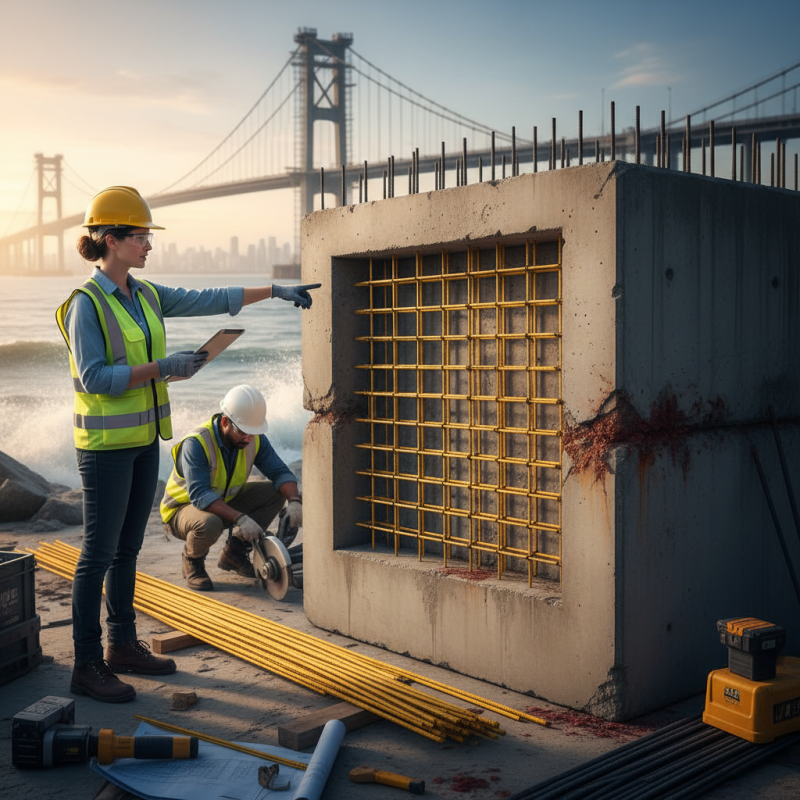
Advantages of GFRP Fiberglass Rebar Over Traditional Reinforcement
GFRP (Glass Fiber Reinforced Polymer) fiberglass rebar has been gaining traction as a preferred choice in construction. Its advantages over traditional steel reinforcement are significant. One major benefit is its resistance to corrosion. According to a study by the American Concrete Institute, steel reinforcement can lose up to 50% of its strength due to corrosion over time. GFRP rebar, on the other hand, remains unaffected by moisture and chemical exposure, increasing the lifespan of structures.
Another compelling advantage is its lightweight nature. GFRP rebar weighs up to 75% less than steel reinforcement. This characteristic eases handling, reduces transportation costs, and simplifies installation. Engineers have noted that labor costs can drop as a result. However, the initial costs of GFRP can be higher. Some projects might face budget constraints that lead to hesitation in adopting these materials.
Additionally, GFRP offers superior tensile strength without the risk of rusting. A report from the American Society of Civil Engineers indicates that GFRP rebar can handle tensile loads effectively. While it excels in many areas, challenges remain. Its performance under extreme temperatures and the lack of established design codes in certain regions are ongoing concerns. These factors necessitate further research and careful consideration for specific applications.
Applications of GFRP Fiberglass Rebar in Modern Construction Projects
GFRP fiberglass rebar is gaining traction in modern construction projects. Its applications extend beyond traditional concrete reinforcement. Structures such as bridges, parking garages, and tunneling projects increasingly rely on GFRP. A study from the American Concrete Institute reports that GFRP can reduce corrosion-related maintenance costs by up to 60%. This data highlights its economic advantages.
GFRP rebar is lightweight and offers superior tensile strength. Its resistance to chemical attacks also makes it ideal for harsh environments. In coastal areas, for example, it outperforms steel rebar. However, a lack of widespread knowledge about its long-term performance can be a concern. Some researchers emphasize the need for more extensive long-term studies to validate these advantages.
Innovative construction methods benefit from GFRP's properties. In precast concrete components, it shows promise in enhancing structural integrity. Still, challenges remain. The initial costs can deter some projects from choosing GFRP over conventional materials. Careful analysis is required to weigh its lifecycle benefits against upfront expenses.
Durability and Longevity: The Performance of GFRP in Harsh Environments
GFRP (Glass Fiber Reinforced Polymer) fiberglass rebar has gained attention for its impressive performance in harsh environments. Unlike traditional steel rebar, GFRP has a remarkable resistance to corrosion. According to a report from the American Concrete Institute, GFRP can withstand highly acidic and alkaline conditions, significantly enhancing its longevity. In coastal areas, where salt exposure is common, GFRP performs exceptionally well, lasting 50 years or more in comparison to steel's vulnerability to rust.
The lightweight nature of GFRP also contributes to its practicality in construction. Weighing only one-fourth of steel, it makes transportation and installation easier. A study by the International Journal of Structural Engineering highlights that GFRP can reduce overall construction time by 15-20%. This efficiency can positively impact project budgets. However, it is essential to recognize that GFRP may not excel in every application. Its tensile strength, while high, is still lower than that of steel, which limits its use in certain high-stress structures.
Despite these limitations, the durability of GFRP in extreme conditions cannot be overlooked. The composite material is less affected by temperature fluctuations and chemical degradation. This durability leads to lower maintenance costs over time. For projects in severe environments, GFRP is often the preferred choice, given its ability to provide long-term stability. Each project is unique, and careful consideration should be given to the specific conditions and requirements before selecting materials.
Durability Comparison of GFRP Fiberglass Rebar vs Traditional Steel Rebar
This chart illustrates the corrosion resistance of GFRP fiberglass rebar compared to traditional steel rebar. GFRP offers significantly higher durability in harsh environments, making it a superior choice for construction needs requiring longevity and performance.
Economic Considerations: Cost-Benefit Analysis of GFRP Usage
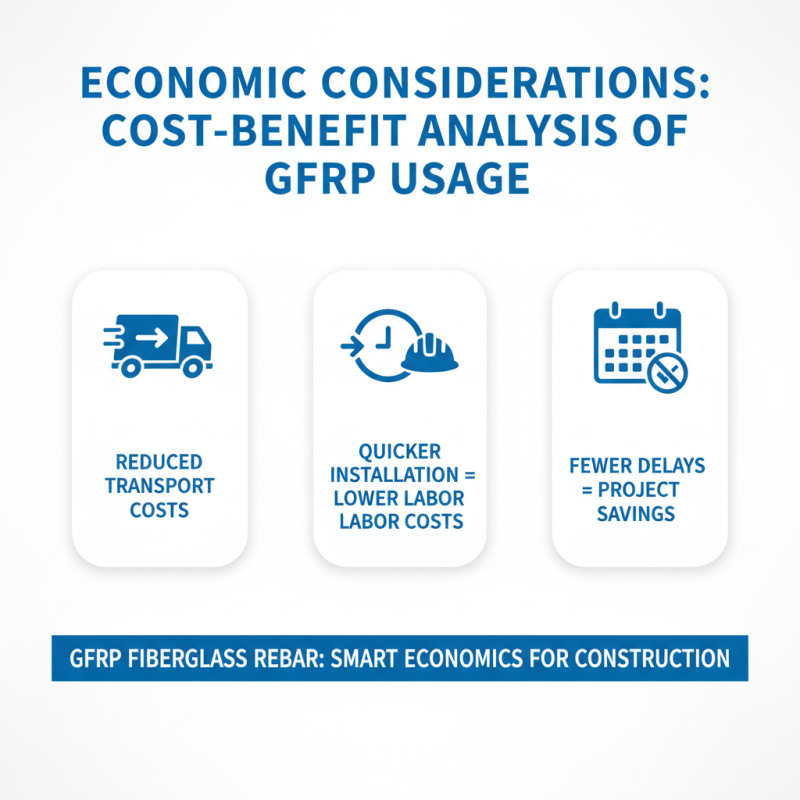
When considering construction materials, GFRP fiberglass rebar presents notable economic advantages. Its lightweight nature reduces transport costs. The installation process is often quicker, leading to lower labor expenses. Projects using GFRP may experience fewer delays, ultimately saving money.
However, there are points of reflection. GFRP can have a higher initial cost compared to traditional steel rebar. This may raise concerns for budget-conscious projects. Yet, the long-term savings often outweigh these upfront expenditures. Durability plays a key role here. GFRP resists corrosion, reducing repair and replacement needs over time. Projects considering long-term performance could benefit significantly.
Investing in GFRP should factor in the lifecycle costs. Upfront savings may not paint the full picture. It's essential to evaluate the total cost of ownership. This includes maintenance, longevity, and potential project delays. By understanding both immediate and future costs, stakeholders can make more informed decisions.
Environmental Impact: Sustainability of GFRP Fiberglass Rebar in Construction
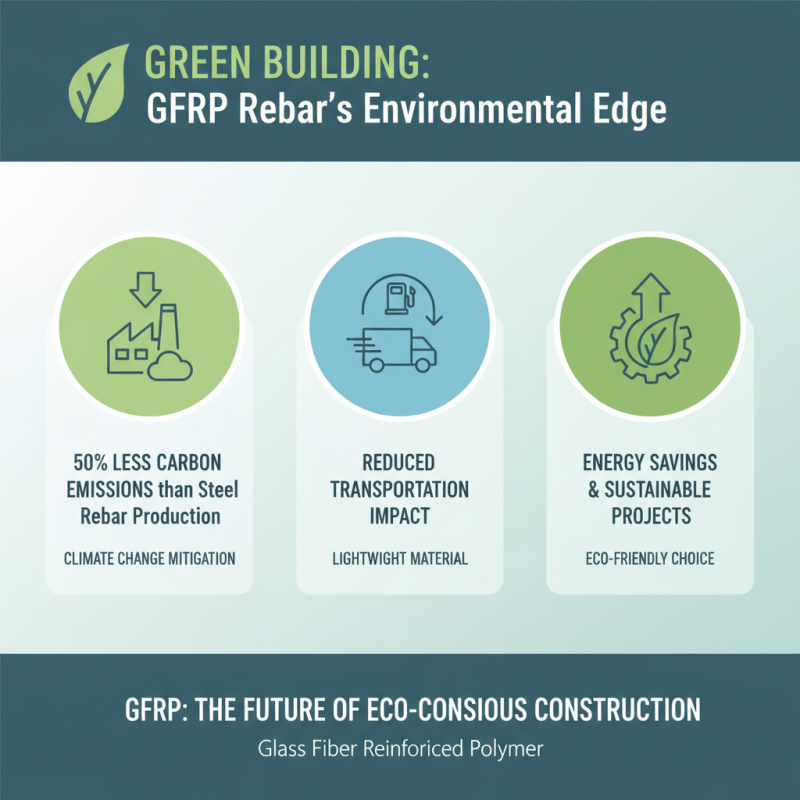
The use of GFRP fiberglass rebar in construction offers significant environmental benefits. GFRP stands for Glass Fiber Reinforced Polymer. Studies indicate that the production of GFRP produces 50% less carbon emissions compared to traditional steel rebar. This reduction contributes positively to climate change mitigation efforts. The lightweight nature of GFRP reduces transportation costs and energy consumption, making it an attractive option for sustainable projects.
GFRP also boasts high resistance to corrosion. This durability extends the lifespan of structures, reducing the need for repairs or replacements. According to a report by the American Concrete Institute, using GFRP can enhance concrete structures' life by up to 100%. This longevity decreases waste and conserves resources over time. However, some challenges remain. GFRP can be more expensive upfront compared to steel. This cost can deter some projects, despite long-term savings.
The recycling options for GFRP materials are still limited. While some innovations are in progress, the industry must address this aspect to enhance sustainability. Each construction project should weigh these factors to make informed decisions on materials. Balancing cost with environmental impact is essential for future constructions.