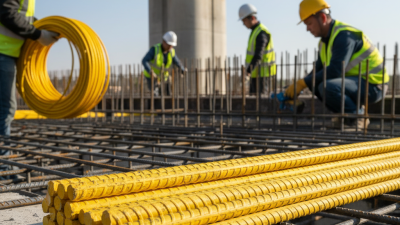
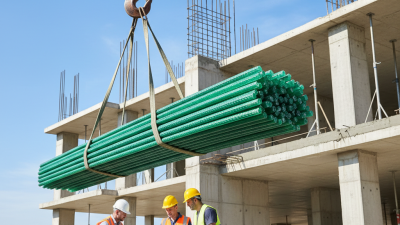
What is Composite Rebar and Why is it Important for Construction?
Composite Rebar has emerged as a game-changer in the construction industry. This innovative material combines lightweight properties with exceptional strength. It is made from materials such as fiberglass or carbon fiber. By doing so, it offers a sustainable alternative to traditional steel rebar.
The importance of Composite Rebar cannot be overstated. It reduces project weight, which can lower shipping and handling costs. Additionally, it resists corrosion, extending the lifespan of structures. Builders and engineers are increasingly recognizing its benefits. However, some still question its long-term performance and reliability compared to traditional options.
As the industry evolves, understanding Composite Rebar is crucial. It reflects a shift towards more sustainable construction practices. Yet, careful evaluation is necessary to address potential challenges. Balancing innovation with proven methods remains an ongoing discussion among professionals.
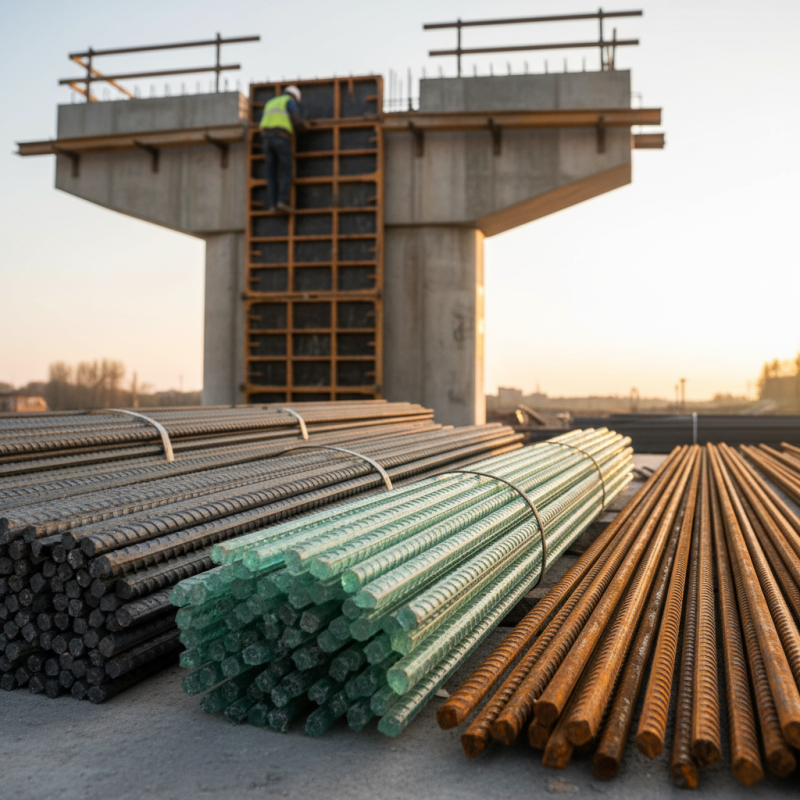
Understanding Composite Rebar: Definition and Composition
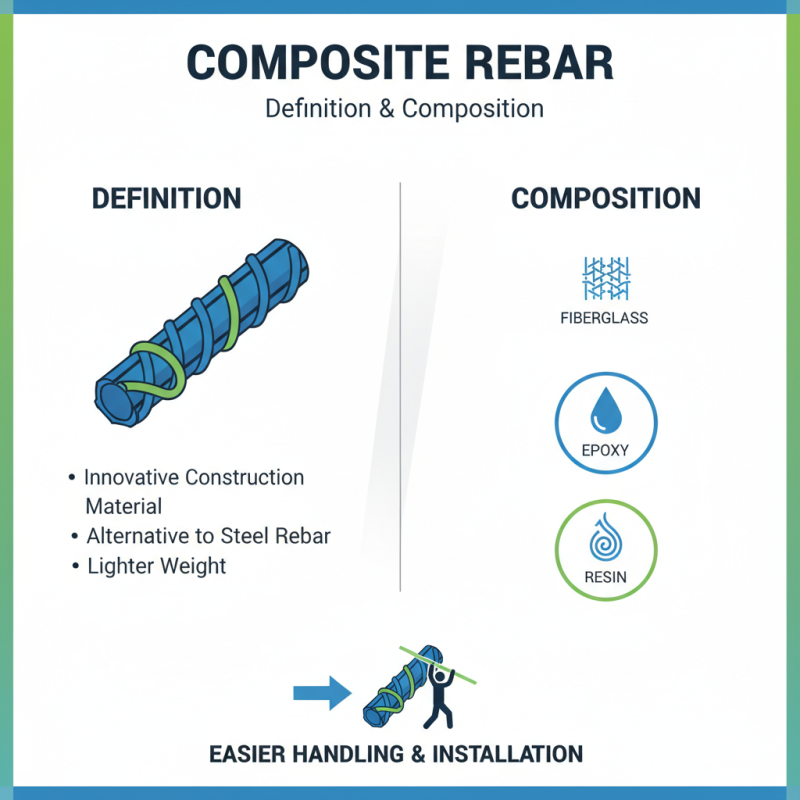
Composite rebar is an innovative material used in construction. It consists of a combination of materials such as fiberglass, epoxy, and resin. This unique composition makes composite rebar much lighter than traditional steel rebar. Its lightweight nature allows for easier handling and installation on job sites.
In addition to being lightweight, composite rebar offers remarkable corrosion resistance. Unlike steel, which can rust, composite materials withstand harsh environments. This property is especially useful in marine or chemical exposure situations. However, there are challenges. Some engineers hesitate to adopt composite rebar due to concerns about its long-term performance.
Understanding composite rebar involves grasping its benefits and limitations. Its thermal expansion differs from steel, which may lead to issues if not properly accounted for in design. Moreover, the initial cost of composite rebar can be higher than traditional options. Construction professionals must weigh these factors carefully. Overall, composite rebar presents a promising alternative but requires thorough evaluation in project planning.
The Advantages of Composite Rebar in Modern Construction Techniques
Composite rebar is gaining attention in modern construction for its unique properties. One of its key advantages is its lightweight nature compared to traditional steel rebar. According to a report from the International Journal of Engineering Research, composite rebar can weigh up to 75% less than steel. This reduction in weight simplifies transportation and handling on construction sites, leading to potential cost savings.
Durability is another significant factor. Composite rebar is resistant to corrosion, which is a frequent issue with steel in harsh environments. Research indicates that composite rebar can last longer than its steel counterpart under similar conditions. This durability minimizes repair costs and extends the lifespan of structures. It provides a longer-term solution while reducing maintenance needs.
Nevertheless, there are challenges. The initial cost of composite rebar is often higher than steel options. Builders may hesitate to adopt composite materials due to upfront expenses. Also, the industry still lacks standardized testing protocols for all composite materials. This creates uncertainty regarding their performance and application. Addressing these gaps is crucial for wider acceptance in the construction industry.
Advantages of Composite Rebar in Modern Construction Techniques
Comparing Composite Rebar with Traditional Steel Rebar
Composite rebar is becoming an essential alternative in modern construction. It typically consists of materials such as fiberglass and carbon fiber, which provide excellent tensile strength. Unlike traditional steel rebar, composite rebar is resistant to corrosion. This feature is critical for structures exposed to harsh environments, such as bridges and buildings near saltwater.
Traditional steel rebar has its merits. It is widely available and familiar to many engineers. However, steel can rust over time, leading to structural weakening. This corrosion incurs high maintenance costs and potential safety risks. In contrast, composite rebar may come with a higher initial cost, but it can significantly reduce long-term expenses. Its lightweight nature also simplifies the installation process, saving time and effort.
While the benefits are clear, some engineers question the long-term performance of composite materials. Ongoing research aims to address these concerns. The construction industry must balance innovation with reliability. Exploring new materials like composite rebar helps create safer, more durable structures, but it is crucial to proceed cautiously.
Applications of Composite Rebar in Various Construction Projects
Composite rebar has gained traction in the construction industry due to its lightweight and corrosion-resistant properties. Recent studies show that composite rebar can reduce weight by up to 70% compared to traditional steel options. This reduction not only eases transportation but also simplifies onsite handling.
Applications of composite rebar span various construction projects. For instance, it is widely used in bridge construction, where exposure to moisture and chemicals can lead to deterioration of traditional materials. A notable report indicates that when used in such environments, composite rebar extends the lifespan of structures by over 40%. Additionally, emerging uses in marine construction highlight its resistance to saltwater corrosion, making it invaluable for coastal structures.
However, adoption of composite rebar is not without challenges. While it provides significant benefits, concerns about initial costs and long-term performance reliability persist. The industry is still assessing structural performance in extreme conditions. As more data becomes available, it will be crucial to address these uncertainties to optimize the benefits of composite rebar in construction.
Future Trends and Innovations in Composite Rebar Technology
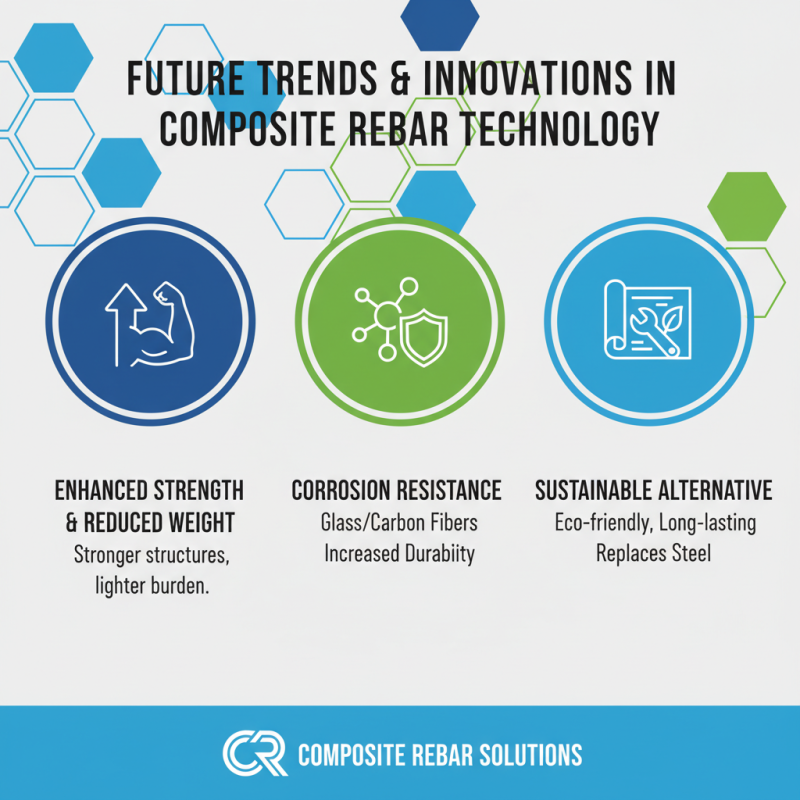
Composite rebar technology is evolving rapidly. Innovations focus on enhancing strength while reducing weight. This helps in maintaining structural integrity without adding extra burden to buildings. Modern materials, such as glass or carbon fibers, improve durability against corrosion. These qualities make composite rebar an appealing alternative to traditional steel options.
Tip: When considering composite rebar, assess the specific requirements of your project. Understanding the environmental conditions is crucial. For example, areas with high humidity levels might benefit from composite materials due to their resistance to rust and degradation.
Future trends indicate a rise in smart composite rebar, integrated with sensors. These sensors can monitor structural health in real-time, alerting engineers to potential issues before they escalate. This innovation could revolutionize maintenance protocols and extend the lifespan of structures. However, not every project needs these advanced features. We should reflect on cost versus benefit for each unique case.
Tip: Collaborate with experts who understand both traditional and composite materials. Their insights can guide material choices, ensuring the right fit for your building needs.