How to Buy Aramid Rebar for Your Global Construction Needs?
In today's rapidly evolving construction industry, choosing the right materials is crucial. "Aramid Rebar" stands out as a modern solution for global construction needs. This advanced composite material offers exceptional strength and durability, making it a favored choice in various projects. Its lightweight nature contributes to easier handling and installation.
However, sourcing quality Aramid Rebar can be challenging. Factors such as supplier reliability and product specifications must be carefully evaluated. Not all suppliers adhere to the same standards, leading to inconsistencies. It’s essential to do your research and assess potential vendors thoroughly.
Investing in high-quality Aramid Rebar can significantly impact project outcomes. The right choice not only enhances structural integrity but also promotes sustainability. As you navigate the procurement process, consider both the potential advantages and the pitfalls that may arise. Stay informed and proactive to make the best decisions for your construction endeavors.

Understanding Aramid Rebar and Its Benefits for Construction
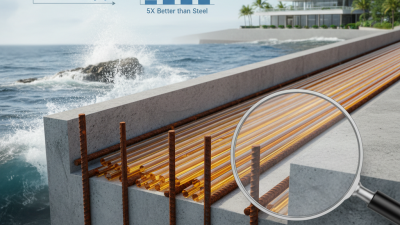
Aramid rebar is an innovative material that offers significant advantages for construction projects. It’s lightweight yet incredibly strong, making it an excellent choice for reinforcing structures. This strong composite combines aramid fibers with resin, creating a durable product resistant to corrosion and environmental stress. Unlike traditional steel rebar, aramid rebar does not rust, ensuring longer-lasting performance in various conditions. Its non-magnetic properties are beneficial for projects near sensitive electronic equipment.
When considering aramid rebar, always evaluate its compatibility with your specific project needs. Different applications may require varying specifications of strength and flexibility. It’s crucial to consult with industry experts who understand local conditions and standards. They can guide you in selecting the right type of aramid rebar for your project.
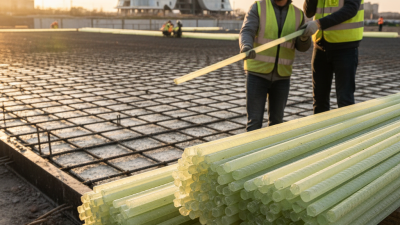
Pay attention to the installation process. Proper handling and placement are vital to maximize the material's benefits. Consider training for your team to ensure they are well-versed in best practices. This training could help avoid issues down the line and lead to better project outcomes. Remember, understanding the material's limitations is as important as knowing its strengths.
Identifying Your Project Requirements for Aramid Rebar
When considering aramid rebar for construction, defining project requirements is essential. Understanding the specific needs of your project can make all the difference. This includes evaluating structural demands, environmental conditions, and budget constraints. Aramid rebar is lightweight and resistant to corrosion, making it suitable for many applications.
Evaluate the mechanical properties required for your project. Think about tensile strength and flexibility. These factors impact how aramid rebar performs under stress. Assess how it would behave in different weather conditions. For instance, if your project is in a coastal area, you need to consider its resistance to saltwater.
It’s also important to consider logistics. Sourcing aramid rebar from reputable suppliers ensures reliability. However, don’t overlook potential challenges like transportation costs and delivery times. Collaborating closely with engineers and architects can clarify the application of aramid rebar in your design. This collaboration can reveal unforeseen issues, leading to a more robust implementation plan.
Evaluating Suppliers and Quality Standards for Aramid Rebar
When sourcing aramid rebar for construction, evaluating suppliers is crucial. Reliable suppliers should adhere to international quality standards such as ISO 9001. This certification signifies a commitment to quality management. Research from the Global Construction Outlook indicates that aramid rebar improves structural integrity by 30% compared to traditional materials. When analyzing suppliers, request documentation to verify compliance with these standards.
Consider the supplier's experience in the field. Established suppliers typically possess a comprehensive portfolio and client testimonials. This allows you to gauge their reliability. Also, assess their production capabilities. Some suppliers may not maintain consistent quality, leading to defects. According to industry reports, up to 15% of construction issues arise from material failures, underscoring the need for stringent quality checks.
Ensure the supplier offers transparency in their manufacturing processes. This includes details about material sourcing and testing protocols. Transparency builds trust. Carry out audits or requests for samples to ensure materials meet your specifications. Engaging in these practices can prevent costly mistakes down the line, fostering sustainable relationships with trustworthy suppliers.
Comparing Costs: Aramid Rebar vs. Traditional Reinforcement Materials
When considering the costs associated with aramid rebar versus traditional reinforcement materials, the differences become quite significant. Aramid rebar, an advanced composite material, may have a higher upfront cost. Reports indicate that aramid rebar can be 10-15% more expensive than steel rebar. However, this cost can be offset by its durability and lower maintenance requirements over time. Aramid rebar is resistant to corrosion and chemical damage, which are common challenges in many construction environments.
Durability plays a vital role in reducing long-term expenses. In fact, a study from the Construction Materials Journal highlights that structures reinforced with aramid rebar can last 20-30% longer than those using traditional materials. Labor costs can also be minimized due to its lighter weight. This makes installation easier, leading to shorter project timelines. Still, some construction firms hesitate to adopt new materials due to a lack of familiarity.
It's essential to analyze the specific needs of your project. While aramid rebar presents an attractive alternative, the initial investment might deter budget-conscious developers. The right decision will depend on balancing short-term costs with long-term value. Real-world case studies reveal that projects which integrated aramid rebar saw improved overall performance and reduced lifecycle costs.
Best Practices for Ordering and Using Aramid Rebar in Projects
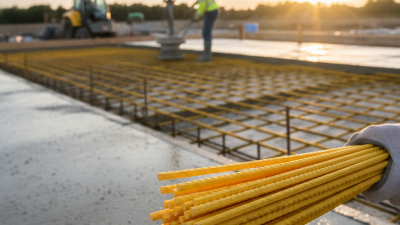
When considering aramid rebar for construction projects, understanding how to effectively order and utilize this material is crucial. Aramid rebar is known for its high strength-to-weight ratio and excellent resistance to chemicals and corrosion. According to a recent industry report, the demand for advanced composite materials like aramid in construction is expected to grow at a CAGR of 7.5% through 2030. This underscores the importance of integrating aramid rebar into modern engineering practices.
One key best practice is to specify the exact requirements upfront. Know the tensile strength and environmental conditions your project will face. A study revealed that improper specifications can lead to structural issues. Furthermore, ensure you are sourcing from certified manufacturers who adhere to industry standards. Not all suppliers follow rigorous quality checks. Some may offer lower prices but compromise on quality, leading to long-term issues.
Training construction teams on the unique properties of aramid rebar can enhance its effectiveness. Unlike traditional materials, aramid behaves differently under various stresses. Workers need to understand this to prevent potential mishandling during installation. While aramid rebar provides numerous benefits, improper application can lead to unexpected challenges. Consider these factors carefully to maximize your project's success while minimizing risks.