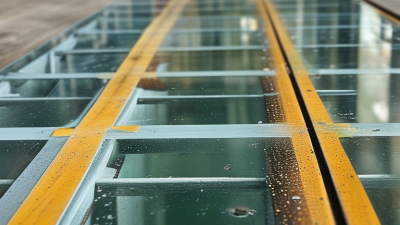
Best Fiberglass Floor Grating for Global Buyers in 2026?
As the global market evolves, the need for high-quality fiberglass floor grating becomes increasingly critical. This material offers superior strength and durability, making it ideal for various applications. In 2026, buyers will seek options that ensure safety, reliability, and cost-effectiveness.
Fiberglass floor grating stands out due to its corrosion resistance and low maintenance requirements. Industries such as construction and manufacturing rely on its unique properties. However, not all products on the market meet these standards, leading to potential safety hazards.
In an era where sustainability is vital, selecting the right fiberglass floor grating is essential. Buyers must prioritize trusted manufacturers with a proven track record. Relying on experience and quality ensures long-term benefits. The challenge lies in navigating numerous options while recognizing that some choices may fall short. It's crucial for buyers to reflect on their requirements carefully.

Best Fiberglass Floor Grating Types and Their Applications in 2026
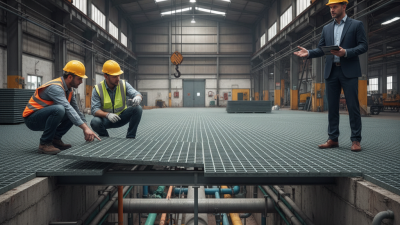
Fiberglass floor grating has become essential in various industries due to its unique properties. Its lightweight nature and high strength make it suitable for platforms, walkways, and drainage covers. The grating allows for improved airflow and natural light penetration, enhancing safety and visibility. In applications like chemical processing plants and food manufacturing, fiberglass grating is ideal because it resists corrosion and does not absorb moisture.
Different types of fiberglass grating serve specific needs. Molded grating is durable, featuring a slip-resistant surface perfect for wet or oily environments. Pultruded grating offers a higher load capacity and a flatter surface, often used in heavy industrial areas. However, both types can suffer from UV degradation over time, which necessitates regular inspections to maintain their effectiveness. Users should consider these factors carefully when selecting fiberglass grating for their projects.
The versatility of fiberglass floor grating is evident in its wide range of applications. Whether in wastewater treatment plants or commercial spaces, it provides safety and durability. Although cost-effective in the long run, initial investments can be a concern. It is crucial to weigh short-term costs against long-term benefits when making decisions. Understanding each application's requirements before purchase can lead to better outcomes.
Key Features of High-Quality Fiberglass Floor Grating for Buyers
When it comes to choosing fiberglass floor grating, buyers should look for certain key features that ensure both quality and safety. High-quality fiberglass grating should possess excellent load-bearing capacity. It must withstand heavy traffic in industrial applications. This ensures durability over time, reducing the need for frequent replacements. Additionally, the surface should provide a slip-resistant texture, promoting safety in wet or oily conditions.
Another essential feature is resistance to corrosion and chemicals. This is particularly important for environments like manufacturing plants or chemical processing facilities. Fiberglass grating should also be lightweight for easy installation, yet strong enough to support heavy machinery. UV resistance is crucial to prevent degradation from sunlight, ensuring the material retains its structural integrity.
Some buyers may overlook proper ventilation in their floor grating choice. This can lead to moisture buildup and promote mold growth. Reflecting on these aspects will help buyers make informed decisions. Not all fiberglass grating options meet these criteria, so thorough research is essential. It’s worth contemplating the long-term benefits of investing in high-quality materials.
Market Trends and Growth Opportunities in the Fiberglass Grating Industry
The fiberglass grating industry is experiencing notable growth in 2026. According to recent market analysis, global demand for fiberglass grating is projected to expand at a CAGR of 5.2% from 2022 to 2027. This growth is largely driven by increased industrialization and expanded infrastructure projects worldwide. Industries like construction, chemical processing, and wastewater management are key players fueling this trend.
One significant trend is the shift toward more sustainable production methods. Manufacturers are increasingly adopting eco-friendly raw materials to meet consumer demand. Additionally, the popularity of lightweight and corrosion-resistant materials is on the rise. In a recent survey, 68% of industry experts noted that innovation in manufacturing processes is crucial for maintaining competitive advantage. Surprisingly, many companies still rely on outdated practices. This opens up opportunities for organizations willing to invest in modern technologies.
Another highlight is the focus on safety and compliance. As regulations in various sectors tighten, startups and established firms are adapting quickly. This adaptability is essential, with 45% of executives stating that compliance issues could hinder future growth. However, not all companies have managed this transition effectively. Many struggle to keep up with the evolving standards, highlighting a significant area for improvement within the industry.
Comparative Analysis of Fiberglass Grating vs. Traditional Materials
In 2026, fiberglass floor grating stands out in industrial applications. Its lightweight properties provide easy installation compared to traditional materials like steel and wood. According to recent industry reports, fiberglass grating is approximately 50% lighter than steel, making it a prime choice for diverse environments.
The durability of fiberglass is noteworthy as well. It resists corrosion and chemical damage much better than metal options, extending its lifespan. Research indicates that fiberglass can last up to 25 years, while steel might corrode in just a fraction of that time in harsh settings. However, some buyers might find the initial investment higher than traditional materials. Reflecting on the balance between cost and longevity is essential for decision-making.
Consider the specific requirements of your project. Assess the environmental conditions and load-bearing needs. While fiberglass offers numerous advantages, traditional materials may perform satisfactorily in less demanding applications. Weighing long-term performance against upfront costs can lead to a more informed choice.
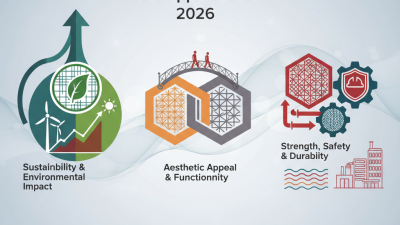
Sustainability and Environmental Impact of Fiberglass Floor Grating Options
Fiberglass floor grating has gained attention for its sustainability and environmental benefits. Many manufacturers utilize recycled materials, reducing waste and resource consumption. This innovative approach supports a circular economy. However, the environmental impact varies between products. It's important for buyers to assess the manufacturing processes.
Moreover, the longevity of fiberglass grating contributes to sustainability. Unlike traditional materials, fiberglass is resistant to corrosion and decay. This means less frequent replacements, ultimately cutting down on manufacturing footprints. Yet, not all fiberglass options are created equal. Some may contain harmful chemicals, raising concerns about indoor air quality.
Buyers should consider options that comply with environmental standards. Conducting thorough research helps identify reliable sources. It is vital to ask manufacturers about material origins and production methods. Transparency in these areas is key. The choices made today can influence the future of sustainable construction.