2026 How to Choose Fiberglass Floor Grating for Your Project?
Choosing the right fiberglass floor grating for your project can be daunting. Experts in the industry highlight the importance of understanding your specific needs. John Smith, a renowned specialist in composite materials, states, “Selecting the proper fiberglass grating involves balancing strength and weight.” This advice is crucial, as the functionality of your project depends on these factors.
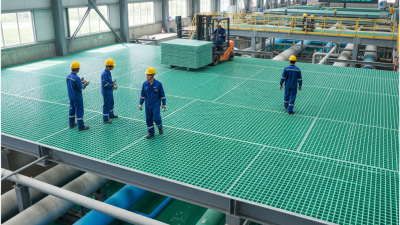
Fiberglass floor grating offers durability and corrosion resistance. These qualities are essential for various environments, especially in industrial settings. However, not all grating products are created equal. Some may lack the structural integrity required for heavy loads, while others may not withstand harsh chemicals. Assessing the application is critical.
Potential pitfalls exist when choosing fiberglass floor grating. It is vital to analyze the environment and traffic patterns. Will the area experience heavy foot traffic? Or, will it be exposed to corrosive elements? Ensuring the right choice can save time and costs in the long run. Always consult with a reliable expert to navigate these challenges effectively.

Understanding the Basics of Fiberglass Floor Grating
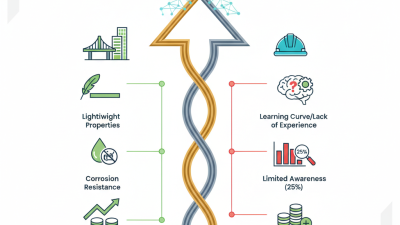
Fiberglass floor grating is a versatile solution for many projects. Understanding its basic properties is crucial for effective application. This type of grating is made from a composite of fiberglass, offering high strength and durability. Its lightweight nature makes it easier to handle compared to traditional materials. Additionally, it resists corrosion, which is vital in harsh environments, such as chemical plants.
The design of fiberglass floor grating allows for excellent drainage. Openings in the grating support water and debris flow. This feature helps maintain a clean surface. However, selecting the right grating requires an assessment of your specific needs. Consider the load-bearing requirements and environmental factors. Some applications may require a grating that is slip-resistant. Others might prioritize UV stability.
Despite its many advantages, it is essential to consult with experts. They can provide guidance tailored to your project. Some misunderstandings may arise around the longevity of fiberglass grating. While it is designed to last, proper installation is key. Overlooking this step can lead to frequent replacements and additional costs. Thus, careful planning and expert insight can enhance the project's success.
2026 Fiberglass Floor Grating Selection Factors
Key Factors to Consider When Selecting Fiberglass Grating
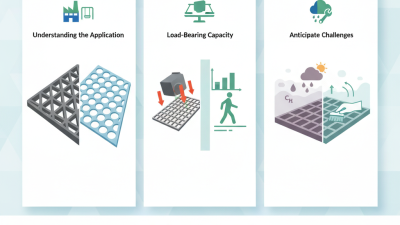
When selecting fiberglass floor grating, pay attention to your project’s specific needs. Different applications require varying grating styles. Consider your environment; corrosive areas demand robust materials. Load capacity is crucial too. Ensure the grating can handle weight without bending or breaking.
Tips: Check the manufacturer's specifications. They provide vital details. Take your time to analyze the environment. The right choice prevents future issues.
Also, think about installation ease and maintenance. Simplifying installation saves time and cost. Some grates require more upkeep, which can be a hassle. Examine how frequently the floor will be accessed. High-traffic areas need grating with superior durability.
Lastly, don't overlook safety. Look for slip-resistant surfaces, especially where water or grease may be present. The wrong choice can lead to accidents. A deep understanding of these factors can guide you toward the best fiberglass grating for your needs.
Evaluating Load Requirements for Your Specific Application
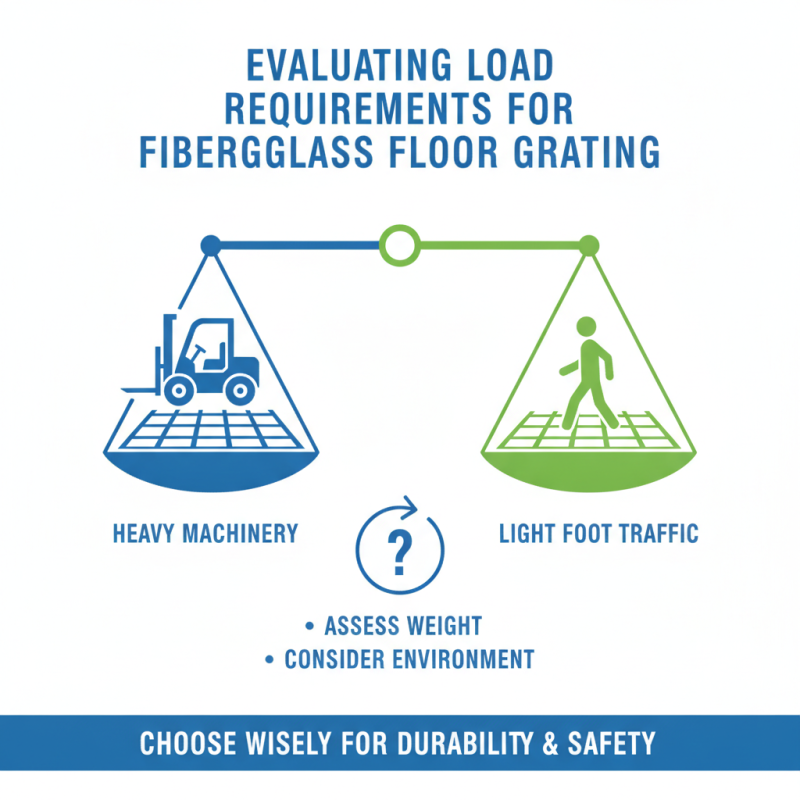
When selecting fiberglass floor grating, understanding load requirements is crucial. This involves assessing the weight that the grating will bear in your specific application. Consider the environment where the grating will be installed. Will it be subject to heavy machinery or light foot traffic? Each scenario has distinct demands.
Load requirements dictate the grating's thickness and spacing. For heavy loads, thicker grating with closer support spacing often proves more reliable. Conversely, lighter applications may allow for thinner profiles. It's a delicate balance; underestimating can lead to catastrophic failures, while overestimating can unnecessarily inflate costs.
Tips: Measure the expected loads accurately. Consult with engineering guidelines when in doubt. Evaluate potential variable loads, such as dynamic weight from moving items. Always remember that safety should be your top priority. Your choice should withstand unforeseen circumstances as well. Regularly inspect the grating after installation to ensure it meets the necessary standards.
Comparing Different Types of Fiberglass Grating Materials
When selecting fiberglass floor grating, it's crucial to compare material types. Fiberglass-reinforced plastic (FRP) grating comes in various formulations. Each type offers distinct advantages tailored to specific project requirements.
For instance, isophthalic polyester resin is commonly used for general applications. It presents a good balance of strength and corrosion resistance. According to a 2022 report by the Composites Industry Association, about 55% of fiberglass users prefer this material for less demanding environments. Vinylester resin, however, provides superior chemical resistance and is ideal for harsher environments. It can withstand aggressive chemicals, making it suitable for utility and industrial applications.
Consider thickness and weight as well. Heavy-duty grating often uses thicker profiles. This choice improves load-bearing capacity. Reports note that fiberglass grating can be four to five times lighter than steel, reducing transportation and installation costs. However, there are trade-offs. Thicker materials may reduce flexibility, while thinner options might not support heavier loads. Evaluating these factors is essential for achieving project goals.
Maintenance and Durability Considerations for Fiberglass Grating
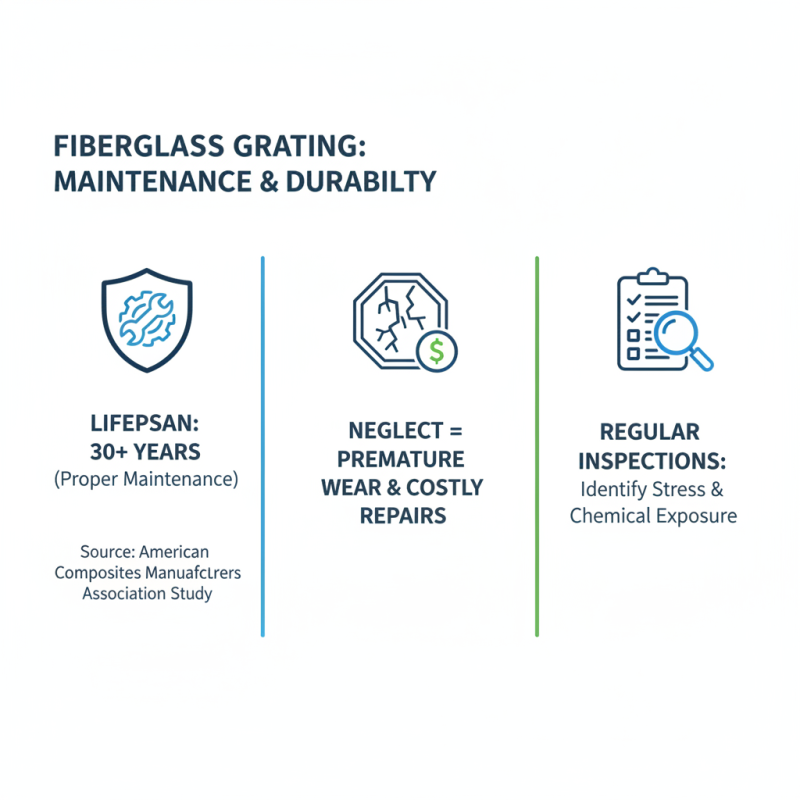
When selecting fiberglass floor grating, maintenance and durability are key factors. According to a study by the American Composites Manufacturers Association, properly maintained fiberglass grating can last over 30 years. However, neglect can lead to premature wear and costly repairs. Regular inspections are crucial to identify potential issues early. Look for signs of stress or chemical exposure.
Fiberglass grating is resistant to corrosion, making it a great choice for industrial environments. A report from the National Association of Corrosion Engineers emphasizes that fiberglass can withstand harsh chemicals better than many metals. Still, it is vital to ensure it is installed correctly to maximize this benefit. Improper installation can lead to weakness and reduce lifespan significantly.
Cleaning is also essential for longevity. Use non-abrasive cleaners and avoid harsh chemicals. Regular cleaning extends the life of the grating and maintains its appearance. Despite its many advantages, awareness of potential issues is essential. Over time, UV exposure may affect the resin, causing brittleness. Keeping these factors in mind ensures that your fiberglass grating remains effective and durable.