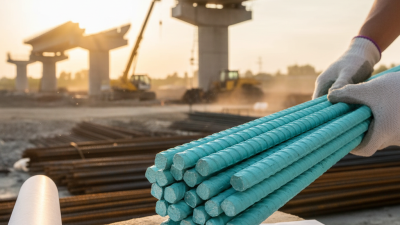
Top Benefits of Fiberglass Reinforced Plastic for Buyers
Fiberglass Reinforced Plastic (FRP) has become a popular choice among buyers seeking durable and efficient materials. This innovative composite blends fiberglass with plastic, resulting in a lightweight yet robust solution. Its unique properties make it suitable for various applications, from construction to automotive. The resilience of FRP against corrosion and weathering is impressive.
Buyers gain numerous benefits from choosing Fiberglass Reinforced Plastic. FRP offers exceptional strength while remaining significantly lighter than traditional materials, allowing for easy handling and installation. This can reduce labor costs and improve overall project efficiency. Notably, it's also environmentally friendly, as it can be recycled and has a long lifespan.
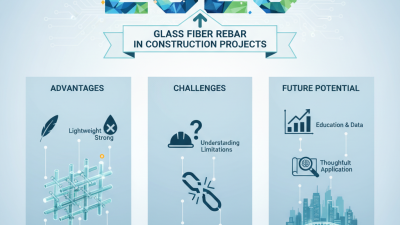
Despite its advantages, buyers must consider their specific needs. Not all applications may benefit equally from FRP. Understanding how it performs in different conditions is crucial. Additionally, cost factors should be evaluated carefully. Investing in Fiberglass Reinforced Plastic can be practical, but buyers must reflect on their project's requirements and potential challenges. Choosing the right material always demands thoughtful consideration.
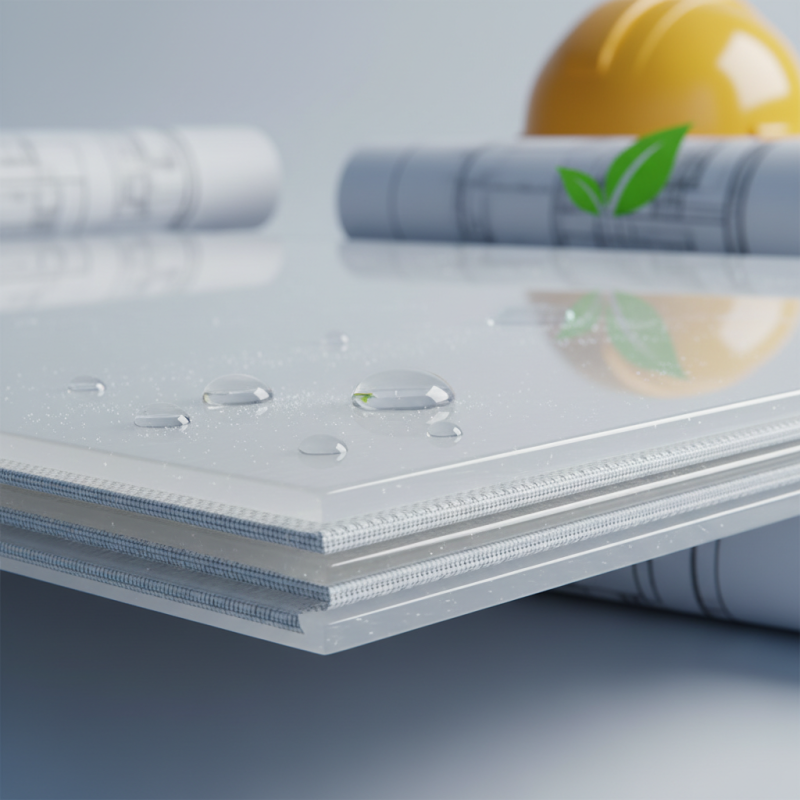
Understanding Fiberglass Reinforced Plastic: An Overview
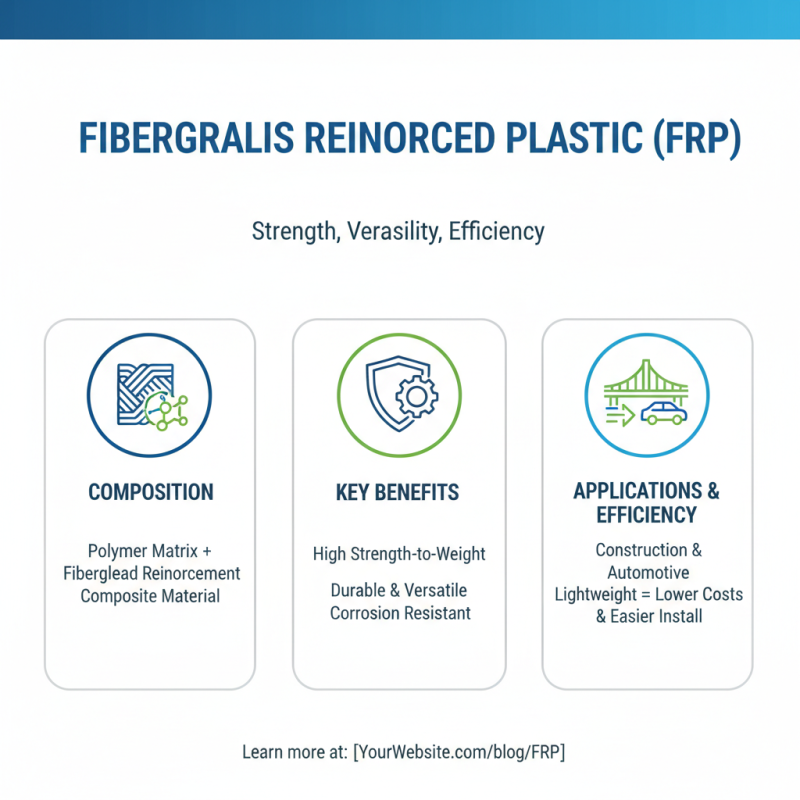
Fiberglass Reinforced Plastic (FRP) is a composite material that combines durability with versatility. Comprised of a polymer matrix reinforced with fiberglass, it offers remarkable strength-to-weight ratios. This makes it ideal for various applications, from construction to automotive components. The lightweight nature of FRP can lead to significant efficiency gains. Lower transport costs and easier installation are just a few benefits.
In many cases, FRP stands out in environments where corrosion resistance is crucial. For example, chemical plants and marine applications often require materials that withstand harsh conditions. Despite these advantages, it’s essential to consider the initial costs, which can be higher than traditional materials. Proper installation is also critical; mistakes can lead to long-term issues. Each application needs careful thought, as FRP is not always the best fit.
Overall, understanding fiberglass reinforced plastic allows buyers to make informed decisions. Familiarity with its properties helps identify the right use cases. Still, users should remain aware of its limitations and the importance of skilled workmanship during installation. Balancing its benefits with potential challenges is essential for maximizing value.
Key Advantages of Fiberglass Reinforced Plastic for Buyers
Fiberglass Reinforced Plastic (FRP) has gained significant traction in various industries due to its unique properties. One primary advantage is its impressive strength-to-weight ratio. According to a report by the American Composites Manufacturers Association, FRP can be up to 70% lighter than traditional materials like steel while offering comparable strength. This feature allows for easier handling and transportation, reducing labor costs and improving efficiency on job sites.
Another key benefit is FRP's resistance to corrosion. Unlike metal, which can rust over time, FRP withstands harsh environments such as chemicals and seawater. The National Institute of Standards and Technology reports that FRP can last significantly longer than other materials, particularly in marine applications. This durability translates to lower maintenance costs over time, making it an attractive option for buyers looking to balance upfront expenses with long-term savings.
Energy efficiency during production and use can also be highlighted. A study by the Composites Alliance shows that FRP can help in energy savings of up to 15% when utilized in building materials. However, one must consider the environmental impact of its production process, which raises important questions about sustainability. Buyers should weigh these factors carefully to make informed decisions about incorporating FRP into their projects.
Durability and Longevity: Why Buyers Prefer Fiberglass
Fiberglass reinforced plastic (FRP) has become a popular material choice due to its impressive durability and longevity. According to a report from the Composites World, FRP can last anywhere from 20 to 40 years, depending on the conditions and applications. This significant lifespan makes it highly sought after by both industries and individual buyers. The inherent resistance of fiberglass to corrosion extends the life of structures, significantly reducing the need for replacements.
In practical terms, FRP can withstand harsh weather, chemicals, and UV exposure. This is crucial for buyers in construction and manufacturing, where materials face rigorous conditions. A study published in the Journal of Composite Materials highlighted that FRP performs exceptionally well even in marine environments, showcasing its versatility. However, it’s important to note that while FRP is durable, it can be more expensive initially than traditional materials. Buyers must weigh the upfront costs against long-term savings on maintenance and replacements.
Despite its many advantages, some users may experience challenges during installation. FRP requires specialized skills for precise handling. Inadequate installation can lead to problems down the line. Therefore, it is essential for buyers to invest time in proper training and skilled labor. This could be a learning curve that spaces out the benefits of this high-value material.
Cost-Effectiveness of Fiberglass Reinforced Plastic Solutions
Fiberglass Reinforced Plastic (FRP) is increasingly popular for its cost-effective solutions. Buyers appreciate its strength combined with lightweight properties. Compared to traditional materials, FRP reduces labor and transportation costs. The long lifespan of FRP components offers significant savings over time.
Manufacturers often cite reduced maintenance needs as a major benefit. FRP resists corrosion and weather damage, minimizing unforeseen repairs. However, not all users may be familiar with its applications. Some may struggle to find reliable suppliers or face challenges in integrating FRP into existing projects.
When considering FRP, it’s crucial to evaluate both initial costs and long-term benefits. While upfront investments may seem high, the durability often outweighs these concerns. Buyers should conduct thorough research to maximize their returns. Seeing the potential of FRP involves understanding both its advantages and limitations. Making informed choices is key to leveraging its cost-effectiveness.
Top Benefits of Fiberglass Reinforced Plastic for Buyers - Cost-Effectiveness of Fiberglass Reinforced Plastic Solutions
| Dimension |
Fiberglass Reinforced Plastic (FRP) |
Traditional Materials |
| Cost of Material per Square Foot |
$5.00 |
$7.50 |
| Lifespan (Years) |
30+ |
15-20 |
| Maintenance Frequency (Years) |
5 |
2 |
| Weight (per cubic foot) |
40 lbs |
50 lbs |
| Resistance to Corrosion |
Excellent |
Moderate |
| Thermal Conductivity |
Low |
High |
| Impact Resistance |
High |
Low |
Versatility in Applications: Benefits for Various Industries
Fiberglass Reinforced Plastic (FRP) offers remarkable versatility in various industries. This material is known for its lightweight yet strong characteristics, making it an excellent choice for construction, automotive, and marine applications. For instance, in the construction industry, FRP is used for beams, panels, and even flooring. This reduces overall structural weight while ensuring high-strength performance.
In the automotive sector, FRP plays a vital role in manufacturing parts like body panels and hoods. Its corrosion resistance also enhances vehicle longevity. Moreover, marine applications benefit from FRP's ability to resist saltwater damage. However, it’s important to recognize that not all FRP products are created equal. Variability in manufacturing processes can lead to inconsistencies in performance. This aspect often warrants further investigation by potential buyers.
The electrical industry has also embraced the use of FRP for insulating components. This material's non-conductive properties are essential for safety and efficiency. Nonetheless, buyers should consider their specific application needs before choosing FRP. Price and availability can vary significantly, which may affect procurement decisions. Exploring these nuances can help organizations maximize the benefits of Fiberglass Reinforced Plastic.