What is Fiberglass Reinforced Plastic Uses and Benefits?
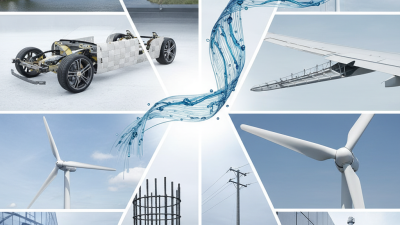
Fiberglass Reinforced Plastic (FRP) has transformed various industries with its unique properties. Dr. Emily Foster, an industry expert in composite materials, states, "FRP is not just a material; it’s a solution for modern engineering challenges." This statement perfectly encapsulates how FRP has revolutionized construction, automotive, and marine sectors by offering durability and lightweight benefits.
The versatility of Fiberglass Reinforced Plastic comes from its ability to resist corrosion and offer significant strength without adding excess weight. These features make FRP ideal for applications in harsh environments. In the automotive industry, for instance, FRP components can enhance fuel efficiency through weight reduction. However, challenges remain in recycling these materials, which raises questions about their environmental impact.
While Fiberglass Reinforced Plastic presents numerous advantages, it is crucial to approach its use with scrutiny. The manufacturing process can lead to harmful emissions if not managed correctly. As industries adopt FRP, ongoing research is essential to address these concerns. Striking a balance between innovation and sustainability is vital for the future of Fiberglass Reinforced Plastic.
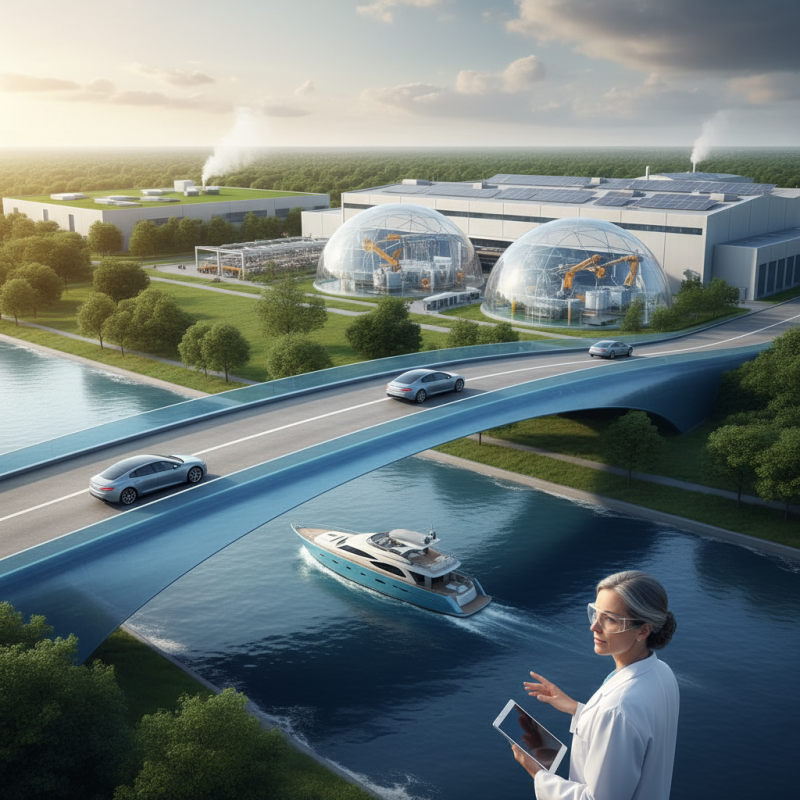
Applications of Fiberglass Reinforced Plastic in Various Industries
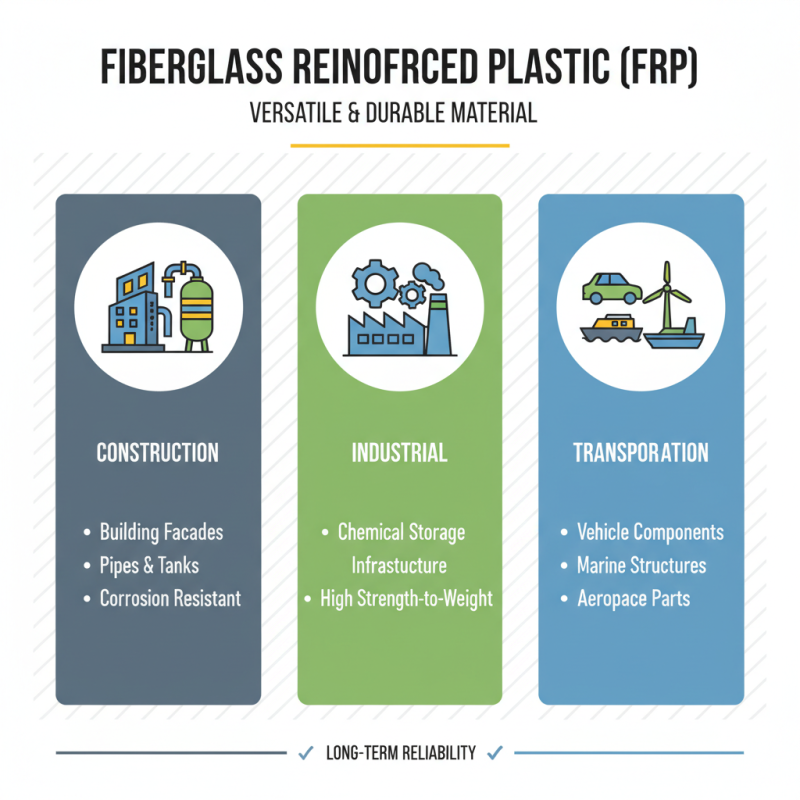
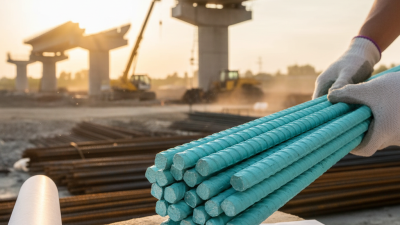
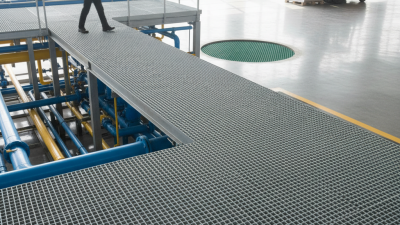
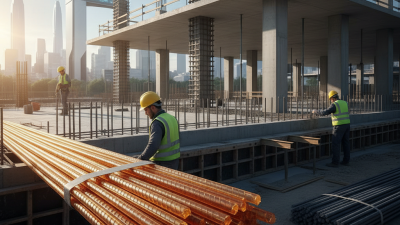
Fiberglass Reinforced Plastic (FRP) is a versatile material widely used across various industries. Its properties make it an ideal choice for applications that require strength and durability. In construction, FRP is often used for building facades, pipes, and tanks. It resists corrosion and can withstand harsh environmental conditions, making it a reliable option for long-term use.
In the automotive industry, FRP components help reduce weight while maintaining structural integrity. This material contributes to improved fuel efficiency and better overall performance. In marine applications, boat hulls and other components made from FRP are lighter and resist damage from saltwater, enhancing longevity.
FRP also finds its place in the electrical sector. Insulating properties make it perfect for panels, enclosures, and other equipment that require high durability. However, not all applications may be suitable. Some designs can lead to increased production costs or difficulties in recycling. It's essential to weigh the benefits against these potential drawbacks.
Key Benefits of Fiberglass Reinforced Plastic over Traditional Materials
Fiberglass Reinforced Plastic (FRP) offers numerous advantages over traditional materials. One key benefit is its high strength-to-weight ratio. Studies show that FRP can be five times stronger than steel, while being significantly lighter. This makes it ideal for applications in construction and automotive industries. For instance, using FRP in bridge construction can reduce overall weight and improve load capacity.
Durability is another major advantage. Fiberglass is resistant to corrosion and chemical damage. This resistance can lead to lower maintenance costs over time. According to a report by the American Composites Manufacturers Association, structures using FRP can last up to 75 years with minimal upkeep. This durability makes FRP a better choice for environments that expose materials to harsh conditions.
However, the cost of initial manufacturing still poses a challenge. Although FRP’s long-term benefits are clear, high upfront expenses often deter some manufacturers. There’s a need for continued research to make production more cost-effective. Addressing these challenges remains important for maximizing FRP's potential in various industries.
Benefits of Fiberglass Reinforced Plastic Over Traditional Materials
Mechanical Properties: Strength, Durability, and Flexibility of FRP
Fiberglass Reinforced Plastic (FRP) is renowned for its impressive mechanical properties. Strength is a primary factor. FRP exhibits tensile strength up to 480 MPa, compared to steel, which measures lower at around 400 MPa. This makes FRP suitable for demanding applications where structural integrity is crucial. The material also possesses significant durability. It resists corrosion and weathering, outperforming traditional materials in harsh environments. In fact, FRP components can last over 30 years with minimal maintenance, saving costs in the long run.
Flexibility sets FRP apart in engineering applications. It can be molded into complex shapes, allowing for unique designs without compromising strength. This adaptability is essential for industries ranging from construction to automotive manufacturing. However, it’s worth noting that the production process can sometimes lead to inconsistent quality. Monitoring the manufacturing parameters is vital to ensure reliability.
Tips: Always request certifications for FRP materials. This ensures that the product meets industry standards. Evaluate application-specific needs to select the right type of FRP. This will enhance performance and efficiency in your projects.
What is Fiberglass Reinforced Plastic Uses and Benefits?
| Property |
Description |
Benefits |
| Strength |
High tensile strength compared to other materials |
Durable structures capable of withstanding heavy loads |
| Durability |
Resistant to corrosion and harsh environmental conditions |
Long lifespan with minimal maintenance required |
| Flexibility |
Can be molded into various shapes and sizes |
Versatile applications in numerous industries |
| Weight |
Lightweight material that is easy to transport |
Reduced shipping and handling costs |
| Thermal Insulation |
Excellent thermal insulating properties |
Energy efficiency in buildings and appliances |
Environmental Impact and Sustainability of Fiberglass Reinforced Plastic
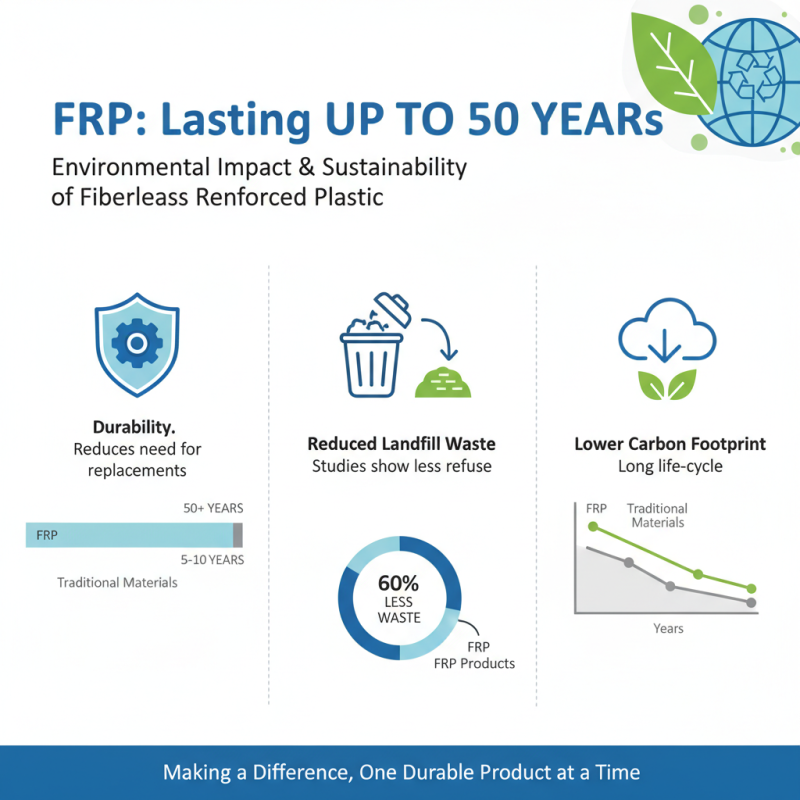
Fiberglass Reinforced Plastic (FRP) has gained attention for its environmental impact and sustainability. One of its significant benefits is durability. FRP can last up to 50 years, reducing the need for replacements. Studies show that using FRP products can diminish waste in landfills. This durability translates into a lower life-cycle carbon footprint compared to traditional materials.
Manufacturing FRP does have environmental costs. It involves using synthetic resins, which can emit volatile organic compounds (VOCs) during production. However, advancements in technology are reducing these emissions. Some manufacturers report a 30% decrease in VOCs in recent years. Additionally, many FRP products are recyclable, allowing the material to be reused and minimizing environmental impact.
The energy required for producing FRP is another factor to consider. According to certain industry reports, the production of FRP requires 20% less energy than metals like steel or aluminum. This aligns with current movements toward sustainable practices. While not without challenges, FRP presents opportunities to improve ecological footprints. Addressing these challenges is crucial for the future of sustainable manufacturing.
Market Trends and Future Projections for Fiberglass Reinforced Plastic Usage
Fiberglass Reinforced Plastic (FRP) is gaining traction in various industries. The global FRP market is projected to witness a growth rate of nearly 5.5% annually over the next five years. This growth is attributed to the rising demand for lightweight, durable materials in construction and automotive sectors. As industries prioritize efficiency, the use of FRP continues to expand.
Some recent studies highlight that the construction industry alone accounts for over 40% of the FRP demand. The increasing adoption of FRP materials in infrastructure, such as bridges and buildings, showcases their strength and resistance to environmental factors. This trend is expected to further accelerate with growing awareness of sustainable practices. Additionally, the aerospace sector is also embracing FRP for its superior mechanical properties, resulting in reduced weight and greater fuel efficiency.
Tip: When considering the use of FRP, evaluate its long-term cost benefits. Initial expenses may be higher, but lower maintenance needs can lead to savings over time.
While FRP has undeniable advantages, there are challenges. The recycling of FRP materials remains a significant concern. Industries are exploring better solutions to manage waste. Analysts suggest that innovation in recycling technologies will play a crucial role in the sustainability of FRP usage. Keeping the environmental impact in mind is essential for future applications.