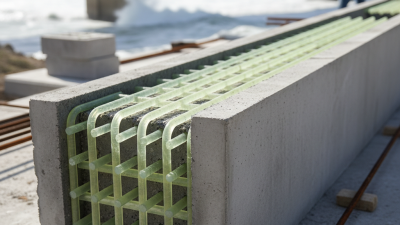
China Best Gfrp Rebar Glass By Fenghui Innovations in Construction Materials?
The construction industry is evolving rapidly. Innovations in materials play a crucial role. One such advancement is "Gfrp Rebar Glass By Fenghui." This innovative product combines strength and lightweight properties. It offers durability that traditional materials often lack.
Fenghui's expertise in manufacturing Gfrp Rebar is notable. They focus on high-quality standards. This ensures reliability in construction applications. Engineers and builders can depend on these materials for various projects. However, the industry still faces challenges. There are questions about long-term performance under extreme conditions.
As we explore the potential of Gfrp Rebar Glass by Fenghui, we recognize both its benefits and limitations. Continuous research and testing are essential. By addressing these issues, we can enhance the effectiveness of this product. The future of construction materials may very well hinge on such innovations.
China's Leading GFRP Rebar Innovations: An Overview
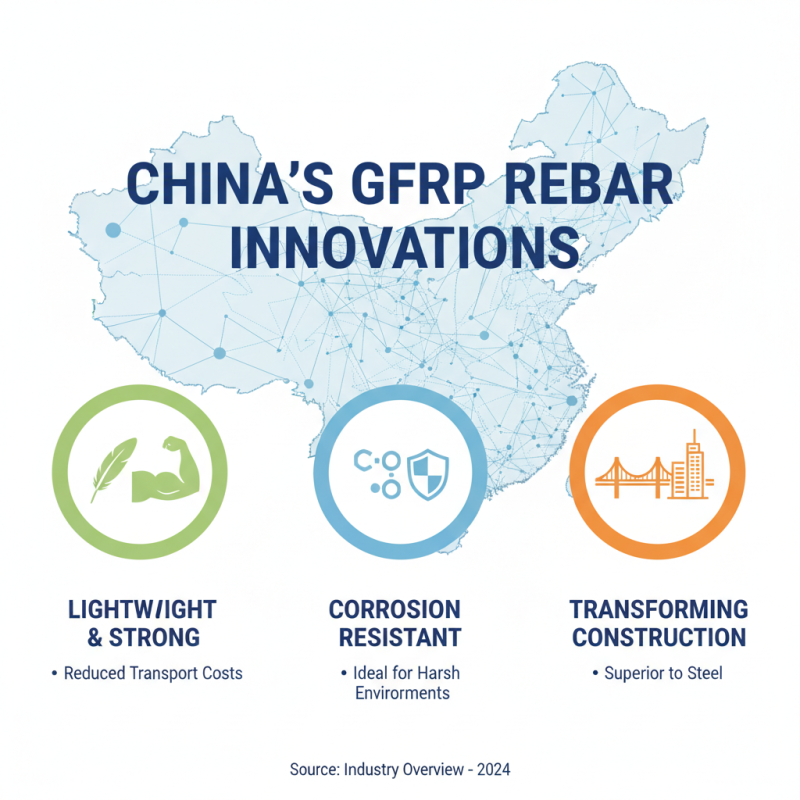
The landscape of construction materials in China is undergoing a significant transformation, especially with the rise of Glass Fiber Reinforced Polymer (GFRP) rebar. These innovative materials offer unique advantages over traditional steel options. GFRP is lightweight yet strong, drastically reducing transportation costs. Additionally, it exhibits excellent corrosion resistance, a significant benefit for structures exposed to harsh environments.
Recent advancements in GFRP technology highlight its growing influence in civil engineering. Manufacturers focus on improving the bonding properties of GFRP with concrete. This enhances the overall strength and durability of the structures. However, challenges remain. The variability in manufacturing quality can lead to inconsistencies in performance, which requires careful evaluation and testing. Ensuring reliability and longevity in various environmental conditions is crucial for widespread acceptance.
The industry is still finding its footing in standardizing GFRP applications. Education and training for engineers and construction professionals are vital. Increased understanding of GFRP’s capabilities can lead to safer, more efficient designs. Despite potential setbacks, the innovative drive in China's construction sector continues to push boundaries, promising a future where GFRP becomes a staple in infrastructure.
Key Properties of GFRP Rebar in Construction Applications
GFRP (Glass Fiber Reinforced Polymer) rebar is making waves in the construction industry. Its lightweight design and high tensile strength offer significant advantages over traditional materials. According to industry reports, GFRP rebar possesses a tensile strength of 800 Mpa, compared to steel's 400 Mpa. This property makes it ideal for areas susceptible to corrosion.
GFRP rebar also boasts a low weight, which simplifies installation. Construction projects can benefit from reduced labor costs and shorter timelines. However, it's crucial to note that the initial investment can be higher than traditional rebar. Industry data show that while GFRP rebar can cost 20-30% more upfront, its longevity and durability may offset these initial expenses.
When considering GFRP rebar, it's essential to assess its application. Not every project requires its distinct features. For structures exposed to harsh environments, like coastal buildings, GFRP is a solid choice. Yet, for standard applications, traditional rebar might suffice. Always evaluate the long-term benefits versus the initial costs for informed decisions.
Key Properties of GFRP Rebar in Construction Applications
Fenghui's Manufacturing Techniques for Superior GFRP Rebar
Fenghui Innovations employs advanced manufacturing techniques to produce superior
GFRP (Glass Fiber Reinforced Polymer) rebar. Their methods focus on
precision and consistency, which are crucial for high-performance materials. The use of high-quality glass fibers ensures
strength and durability. Moreover, the epoxy resins used in the process enhance
corrosion resistance, making the rebar ideal for various applications.
These manufacturing techniques are pivotal in ensuring that each piece of rebar meets
rigorous standards. However, challenges arise in maintaining uniformity across batches.
Fluctuations in raw material quality can occasionally affect performance. To counteract this, ongoing testing and quality
checks are integral to the production process.
Sustainability is another aspect of Fenghui's approach. Utilizing recyclable materials
helps reduce environmental impact. Yet, the recycling process itself can present hurdles, calling for innovative solutions. Despite these imperfections, Fenghui's commitment to
excellence stands out in the construction materials industry, showcasing a
dedication to continuous improvement.
Benefits of Utilizing GFRP Rebar in Modern Construction Projects
The construction industry is evolving with innovative materials. GFRP (Glass Fiber Reinforced Polymer) rebar is gaining traction. This material offers distinct advantages over traditional steel rebar.
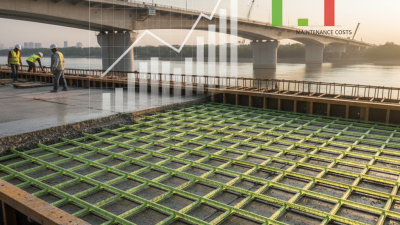
One major benefit of GFRP rebar is its resistance to corrosion. Unlike steel, it does not rust in harsh environments. This longevity reduces maintenance costs dramatically. Projects in coastal areas or chemical plants can especially benefit from this feature. GFRP rebar is also lighter than steel. This makes transportation and installation more efficient. Workers can easily handle it, reducing the risk of injuries on site.
However, there are challenges with GFRP. It might not be suitable for all types of structures. Additionally, the bonding with concrete can sometimes be less effective than steel. It's important to consider these factors during planning. Understanding the limitations can lead to better project outcomes. With careful consideration, GFRP rebar can enhance modern construction projects significantly.
Comparative Analysis: GFRP Rebar vs. Traditional Steel Reinforcement
GFRP rebar, or glass fiber reinforced polymer rebar, offers distinct advantages over traditional steel reinforcement. It is lighter and resistant to corrosion. This can lead to longer-lasting structures. For example, in coastal areas, GFRP can withstand harsh environments without degrading. Architects and engineers are increasingly considering these factors.
However, there are drawbacks to using GFRP. It often has a higher initial cost than steel. Some professionals still prefer steel for its proven reliability. GFRP's mechanical properties can vary too, which raises concerns. Engineers must ensure that the right type of GFRP is used for specific applications. The need for further research in this area remains vital.
Concrete structures reinforced with GFRP may require different design considerations. The bonding between GFRP and concrete can differ from that of steel. Understanding these differences is essential for achieving optimal performance. It is also necessary to educate stakeholders about the benefits and limitations of GFRP. Knowledge in this area will shape future construction practices.
Comparative Analysis: GFRP Rebar vs. Traditional Steel Reinforcement
| Property |
GFRP Rebar |
Traditional Steel Rebar |
| Weight |
70% lighter |
Heavier |
| Corrosion Resistance |
Excellent |
Poor |
| Cost |
Higher initial cost |
Lower initial cost |
| Tensile Strength |
High (600 MPa) |
Moderate (400 MPa) |
| Thermal Conductivity |
Low |
High |
| Durability |
Long-lasting |
Perishable under severe conditions |