Top 10 Benefits of Using 28mm Glass Fiber Rebar for Construction?
In the construction industry, innovation drives efficiency and effectiveness. One remarkable advancement is the use of 28mm Glass Fiber Rebar. This material has been gaining traction due to its unique properties and benefits. Unlike traditional steel rebar, glass fiber rebar offers a blend of strength and lightweight characteristics.
Many professionals have noted its resistance to corrosion, making it ideal for various environments. Additionally, 28mm Glass Fiber Rebar significantly reduces the overall weight of structures. This can lower transportation costs and simplify handling during construction. However, some engineers express concerns about long-term performance in specific applications.
Nevertheless, the benefits of 28mm Glass Fiber Rebar are compelling. Its high tensile strength and reduced environmental impact align with modern construction goals. As more projects adopt this innovative material, the construction landscape is likely to change. The adoption of 28mm Glass Fiber Rebar may lead to more sustainable and durable structures with a keen focus on efficiency.
Advantages of 28mm Glass Fiber Rebar in Structural Integrity
The use of 28mm glass fiber rebar in construction has significant advantages for structural integrity. This material offers increased tensile strength compared to traditional steel rebar. As a result, structures can withstand greater loads and forces. Additionally, glass fiber rebar is resistant to corrosion, ensuring longevity in harsh environments. This characteristic allows for safer designs and lower maintenance costs.
One of the key benefits is its lightweight nature. This means easier handling during construction, which can reduce labor costs. Builders report quicker installation times, resulting in faster project completion. However, it’s crucial to ensure that all team members are trained properly to handle this material effectively. Mismanagement can lead to structural issues.
Tips: When using 28mm glass fiber rebar, consider conducting thorough inspections. Understand the specific requirements of your project. Engage experienced professionals for installation. Always check local building codes for compliance. Balancing innovation with safety is essential. The use of this advanced material should be complemented with thorough planning and execution.
Lightweight Properties of Glass Fiber Rebar in Construction Projects
In construction projects, the lightweight properties of 28mm glass fiber rebar are notable.
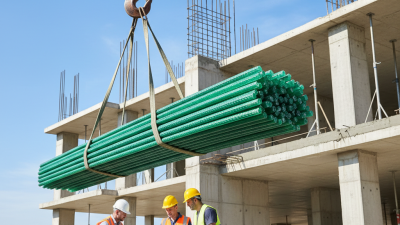
Traditional steel rebar can be cumbersome and heavy, making handling difficult. In contrast, glass fiber rebar is significantly lighter, which simplifies transportation and installation.
This reduction in weight leads to quicker project timelines and can help reduce labor costs.
Using glass fiber rebar does raise some questions. Some may wonder about the long-term strength and durability of this material compared to conventional rebar.
Despite these concerns, studies have demonstrated that glass fiber can withstand intense forces and environmental factors. The composition of glass fiber provides excellent resistance to corrosion, ensuring that structures maintain their integrity over time.
Incorporating glass fiber rebar into designs can open new possibilities. Engineers often explore creative solutions by leveraging its lightweight nature alongside its strength.
However, this innovation requires a shift in mindset. It challenges traditional methods and calls for careful consideration to avoid potential pitfalls.
When evaluated correctly, the advantages can outweigh any hesitations, leading to a more efficient construction process.
Corrosion Resistance of 28mm Glass Fiber Rebar
The corrosion resistance of 28mm glass fiber rebar is a standout feature that warrants attention. Unlike traditional steel rebar, glass fiber rebar does not corrode, even in harsh environments. This makes it a reliable choice for structures exposed to moisture, salt, and chemicals. Buildings, roads, and bridges benefit greatly from this immunity. Long-lasting integrity is key for infrastructure.
Moreover, using 28mm glass fiber rebar can lower maintenance costs. Structures that resist corrosion require fewer repairs over their lifespan. This durability reduces overall expenses. Additionally, the lightweight nature of glass fiber makes installation easier. Workers can handle and position it without heavy machinery. Yet, it is crucial to ensure proper bonding with concrete to harness its full potential.
Adopting glass fiber rebar is not without challenges. Some engineers remain skeptical due to its relatively recent introduction. Testing and adherence to building standards are still evolving. Structures must be designed considering specific loads and stresses unique to glass fiber. Ongoing education and awareness are necessary as the industry adapts to this innovative material.
Cost-Effectiveness of Using Glass Fiber Rebar for Builders
Glass fiber rebar has become a cost-effective alternative in construction. Using 28mm glass fiber rebar significantly reduces material costs. This type of rebar is lighter than steel, making transportation cheaper. Builders experience lower shipping costs, which can enhance project budgets. Moreover, the installation process is simpler, saving labor expenses. Less skilled labor is needed for handling and positioning, reducing overall costs.
Durability is another aspect that impacts cost-effectiveness. Glass fiber rebar resists corrosion, which means it has a longer lifespan. This reduces the need for repairs and replacements. While initial costs may appear high, long-term savings are significant. Fewer replacements mean less downtime on construction sites.
However, there are challenges to consider. Not all builders are familiar with this material, which can affect its adoption. Some projects may require specific engineering knowledge to integrate effectively. There may also be concerns about performance under extreme conditions. Builders should weigh these factors carefully to make informed decisions.
Sustainability and Environmental Impact of Glass Fiber Reinforcement
The use of 28mm glass fiber rebar in construction has significant advantages for sustainability. Glass fiber reinforcement is lighter than traditional materials like steel. This reduction in weight translates to lower energy consumption during transportation and installation. Moreover, glass fiber doesn’t corrode, which extends the lifespan of structures and decreases the need for repairs.
When considering environmental impact, glass fiber’s production process requires less energy compared to steel rebar. This results in fewer carbon emissions. Builders can create stronger, more durable structures with a smaller environmental footprint. Additionally, glass fiber is recyclable, offering a pathway to sustainability that steel cannot. This helps outline a future where construction aligns with eco-friendly practices.
Tips for using glass fiber rebar include ensuring proper installation techniques. Improper handling can lead to performance issues. Always consult technical guidelines before usage. Regular inspections are also essential. Ensuring that the bars remain intact and functional can prevent major failures and promote eco-efficient construction practices.
Top 10 Benefits of Using 28mm Glass Fiber Rebar for Construction
This chart illustrates the top ten benefits of using 28mm glass fiber rebar in construction, highlighting aspects such as sustainability, corrosion resistance, and cost-effectiveness among others with scores based on relative advantages.