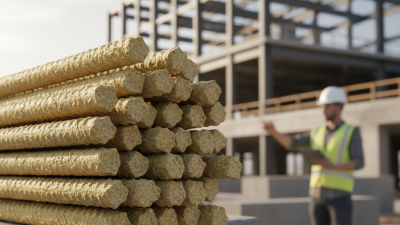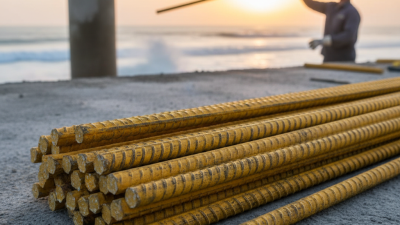
The construction industry is undergoing a significant transformation. One innovation that stands out is Composite Rebar FRP (Fiber Reinforced Polymer). It offers unique advantages over traditional materials. Builders and engineers are increasingly recognizing its benefits. Composite Rebar FRP is lighter, enhancing transport and handling. It exhibits exceptional resistance to corrosion, extending the lifespan of structures.
Environmental factors can severely affect conventional rebar. In contrast, Composite Rebar FRP provides durability in harsh conditions. This material also boasts superior tensile strength, which promotes safety and longevity in construction projects. The reduced weight can lead to lower costs in transportation. This aspect is vital for global buyers seeking efficient solutions.
However, challenges exist. The initial investment might be higher compared to steel. Buyers must weigh long-term savings against upfront costs. Knowledge about Composite Rebar FRP is still evolving. Thus, some may be hesitant to adopt this advanced material. Exploring these benefits can reveal why Composite Rebar FRP is becoming a preferred choice worldwide.
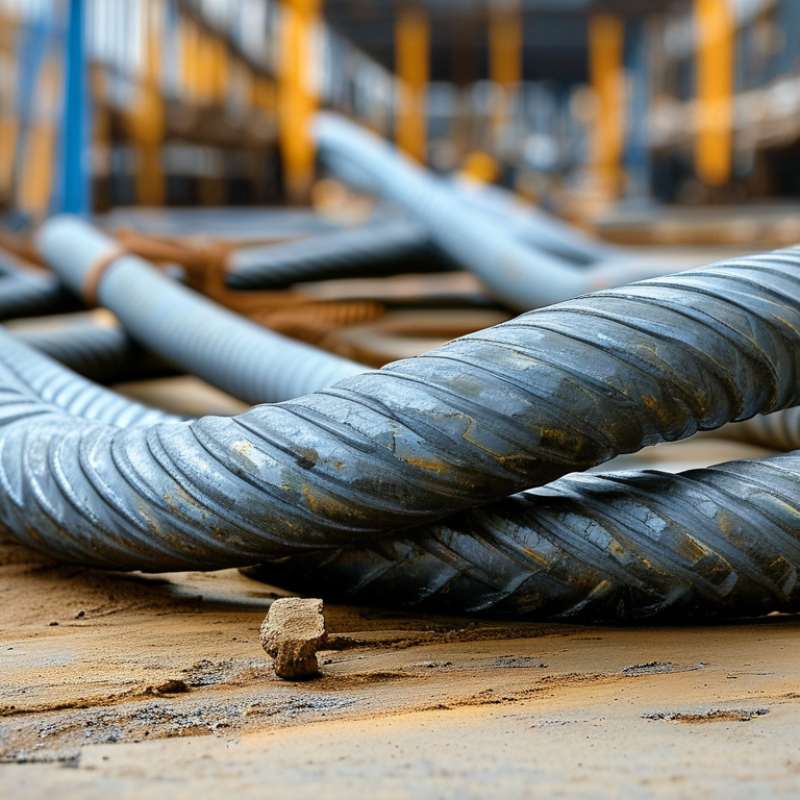
Composite rebar made from Fiber Reinforced Polymer (FRP) offers substantial advantages in construction. One key benefit is its lightweight nature. This feature eases transportation and handling on job sites. Unlike traditional steel rebar, FRP does not corrode. This quality extends the lifespan of structures, reducing maintenance costs over time.
Another notable advantage is its high tensile strength. This makes FRP suitable for demanding applications, including bridges and high-rise buildings. The flexibility of composite rebar allows for creative designs and innovative structural solutions. However, it is worth reflecting on potential downsides. While resilience is a strong point, FRP can be more expensive upfront compared to steel. This might discourage some budget-conscious buyers.
Additionally, knowing the local regulations and standards for using composite materials is crucial. Not all regions fully embrace FRP technology yet. Diverse climates and environmental factors may also affect performance. Thorough research and feasibility studies can mitigate risks. Understanding these aspects ensures better decision-making for buyers in the global market.
Corrosion is a persistent challenge in construction. Traditional steel rebar often succumbs to rust, leading to structural failures. In contrast, composite rebar made from fiber-reinforced polymer (FRP) offers exceptional resistance to corrosion. This property significantly enhances the durability of structures, making it a preferred choice in harsh environments.
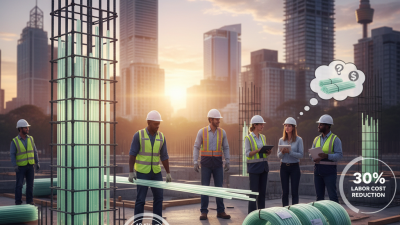
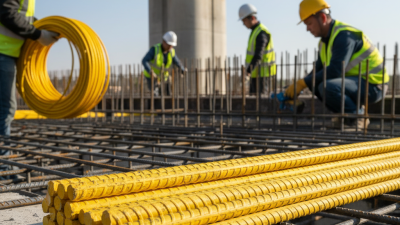
The lightweight nature of composite rebar is a crucial advantage. It simplifies handling and installation. Workers find it easier to transport and manipulate, reducing labor costs and time. Moreover, composite materials are non-conductive, which adds safety in applications where electrical conductivity is a concern. Construction projects involving marine applications or exposed environments can greatly benefit from this feature.
Yet, awareness of the limitations is essential. Composite rebar can be more expensive upfront than conventional options. There's also a learning curve for engineers and contractors unfamiliar with its properties and best practices. The initial investment may deter some, but the long-term maintenance savings can outweigh these costs. The key lies in careful project planning and education on the benefits.
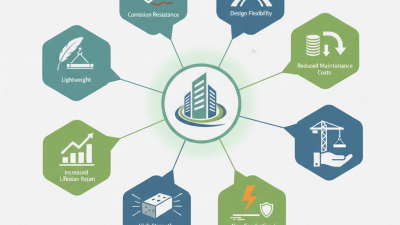
This chart illustrates the top 10 benefits of Composite Rebar FRP, highlighting the significant advantages for buyers. Corrosion resistance tops the list with a perfect rating, showcasing its essential role in enhancing durability.
In the construction industry, the shift toward lighter materials has gained traction. Composite rebar, particularly Fiber Reinforced Polymer (FRP), offers exceptional weight reduction benefits. Structural integrity improves significantly. According to industry reports, FRP rebar can weigh up to 75% less than traditional steel rebar. This reduction in weight reduces the overall load on structures, enhancing their durability and lifespan.
Lighter materials also lead to easier handling on site. Workers can manage the components more efficiently. With decreased transportation costs and faster installation times, project timelines can shorten. In densely populated urban areas, this aspect becomes crucial, allowing for faster construction without compromising safety.
Tips: When selecting materials, consider the long-term savings from reduced maintenance. Ensure that your contractor is experienced in working with composite materials. Always consult with structural engineers to optimize design and integration. Real-world applications reveal the potential for innovative construction methods using composite rebar, but challenges remain. Proper education and training will be necessary for widespread acceptance in the industry.
Composite rebar, particularly Fiber Reinforced Polymer (FRP), is gaining traction in the construction industry. The cost-effectiveness of using composite rebar FRP is evident in the potential for long-term savings. Traditional steel rebar is prone to corrosion, especially in harsh environments. A study by the American Concrete Institute suggests that corrosion can lead to repair costs exceeding 50% of initial construction expenses over the lifespan of a concrete structure.
Composite rebar FRP offers significant advantages. It can reduce overall costs by nearly 40% in lifecycle maintenance. This is largely due to its inert properties, which resist corrosion and chemical attack. A report from the Journal of Composites highlights that structures using FRP have a lifespan that is at least two to four times longer than those employing standard steel. These factors mean fewer replacements and repairs, leading to reduced long-term spending.
However, the initial investment for composite rebar FRP might be higher. While the long-term savings are compelling, some projects might experience short-term budget constraints. The acceptance of FRP technology requires not just understanding its benefits, but also weighing the initial costs against potential future savings. Adopting composite rebar is indeed a strategic decision that promotes economic efficiency in construction projects.
The use of composite rebar made from fiber-reinforced polymer (FRP) significantly impacts sustainability in construction. This material is much lighter than traditional steel. Its reduced weight lowers transportation costs and energy consumption. By integrating FRP in structures, we minimize the carbon footprint associated with raw material extraction and transportation.
Environmental benefits extend beyond weight. Composite rebar is resistant to corrosion, which means it lasts longer. Structures require less maintenance, reducing resource consumption over time. Moreover, FRP does not produce harmful byproducts during its life cycle. This eco-friendly feature enhances the material's appeal for projects aimed at promoting green building practices.
However, there are challenges to consider. The initial cost of composite rebar is often higher than steel. Engineers and builders may be hesitant to adopt this new technology without proven, long-term studies. Some projects may still favor traditional methods due to familiarity. As we assess these factors, a balance between innovation and tradition must be established.
| Benefit | Description | Sustainability Impact |
|---|---|---|
| Lightweight | Significantly lighter than traditional steel rebar, leading to easier handling and transport. | Reduces fuel consumption and carbon emissions during transportation. |
| Corrosion Resistance | Offers high resistance to chemical and environmental degradation. | Increases durability and lifespan of structures, minimizing waste. |
| Non-Magnetic | Ideal for applications in magnetic-sensitive areas, such as hospitals and laboratories. | Promotes safer environments in critical areas. |
| Thermal Insulation | Offers lower thermal conductivity compared to steel, enhancing energy efficiency in buildings. | Contributes to reduced energy consumption in heating and cooling. |
| Sustainably Sourced | Can be produced from recycled materials, decreasing reliance on virgin resources. | Supports circular economy initiatives. |
| Lower Lifecycle Costs | Reduces maintenance and replacement costs over time. | Efficiency in resource use over the lifespan of constructions. |
| Versatility | Can be used in diverse applications including bridges, tunnels, and buildings. | Promotes innovative designs and construction methods. |
| Workability | Easier to cut and shape than traditional rebar, saving time on site. | Enhances construction efficiency and reduces labor waste. |
| Extensive Testing | Proven performance through rigorous testing for various environmental conditions. | Increases trust in construction safety and reliability. |
| Aesthetic Options | Available in various colors and finishes, providing design flexibility. | Encourages environmentally friendly design across projects. |