Why Molded Fiberglass Grating is the Best Choice for Industrial Applications?
Molded Fiberglass Grating has emerged as a leading choice for various industrial applications due to its unique properties. According to a 2021 market research report, the molded fiberglass market is projected to reach $1.5 billion by 2026, driven by its high strength-to-weight ratio and corrosion resistance. Industries such as chemical manufacturing, wastewater treatment, and pulp and paper rely heavily on reliable materials. Molded fiberglass grating offers a solution that withstands harsh conditions while reducing maintenance costs.
Additionally, it is important to consider data suggesting that traditional materials like steel and aluminum are becoming less favorable due to their susceptibility to rust and corrosion. For instance, a survey indicated that 40% of companies reported increased downtime due to material failures. Molded fiberglass grating, with its lightweight design, shows significant advantages in installation speed and long term durability. However, some users still hesitate, citing initial costs as a barrier.
Molded Fiberglass Grating proves its worth in multiple settings, offering both efficiency and safety. The material’s ability to handle heavy loads without warping supports industrial needs, yet some industry veterans question if its market growth can be sustained. As we evaluate the benefits and challenges, it remains clear that molded fiberglass grating holds a strong position in the future of industrial applications.
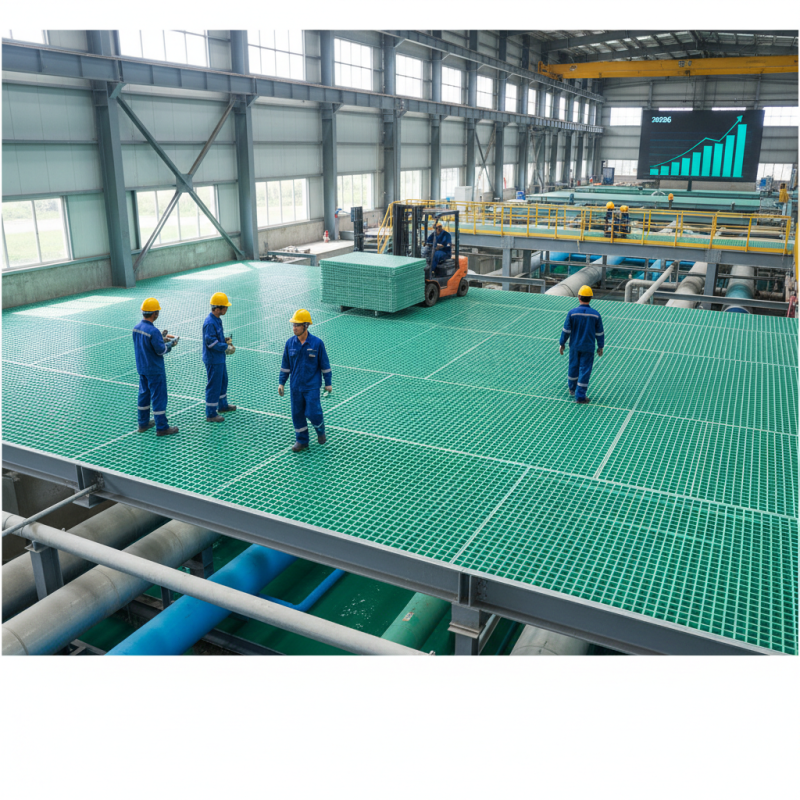
Benefits of Molded Fiberglass Grating in Industrial Settings
Molded fiberglass grating offers distinct advantages for industrial use. It's lightweight yet strong, making installation easier. In harsh environments, it withstands corrosion and chemicals effectively. This durability translates to lower maintenance costs over time.
Safety is another crucial factor. Molded fiberglass grating is slip-resistant, reducing workplace accidents. Its design allows for better drainage, preventing the buildup of hazardous materials. These features contribute to a safer working environment.
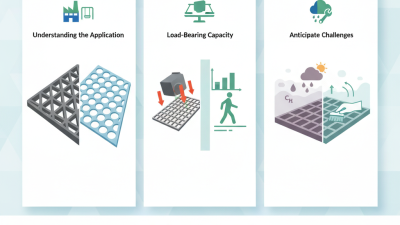
Flexibility is key in industrial settings. Molded fiberglass grating can be customized to fit various applications. However, it requires careful consideration of load and environmental factors. Industries must evaluate their specific needs when selecting grating types.
Durability and Chemical Resistance of Molded Fiberglass Grating
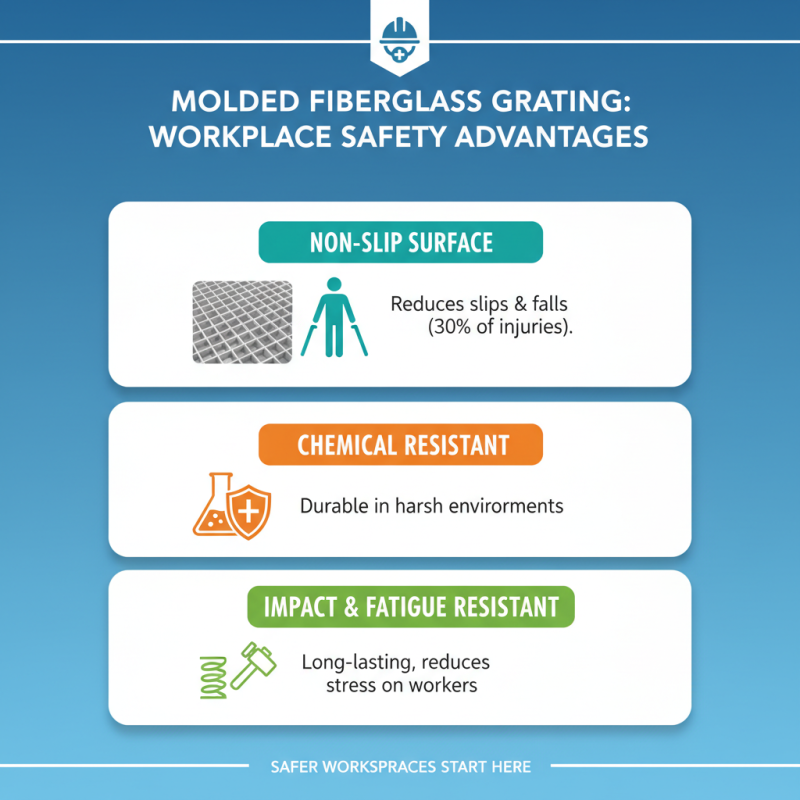
Molded fiberglass grating stands out in industrial applications due to its remarkable durability and resistance to chemicals. This material can withstand harsh environments better than many traditional options. It doesn’t rust or corrode, making it ideal for facilities dealing with corrosive substances. Imagine a manufacturing plant where spills are common. Here, molded fiberglass grating captures these spills without degrading over time, proving its reliability.
In addition to its impressive durability, this type of grating is lightweight yet strong. Its design facilitates easy installation, saving time and labor costs. Furthermore, maintenance is minimal, allowing companies to focus on production rather than repairs. However, it’s essential to consider specific operational conditions. Not all fiberglass gratings perform equally under varying chemical exposures. Testing options based on the intended application is vital to ensure long-lasting performance.
The non-slip surface of molded fiberglass grating adds safety in busy industrial settings. When wet, its design minimizes slipping risks, benefiting workers. While it excels in many areas, it is crucial to consult with experts to determine the best fit for specific environments. Sometimes, what seems like an ideal solution may need slight adjustments for maximum functionality.
Cost-Effectiveness of Molded Fiberglass Grating Over Time
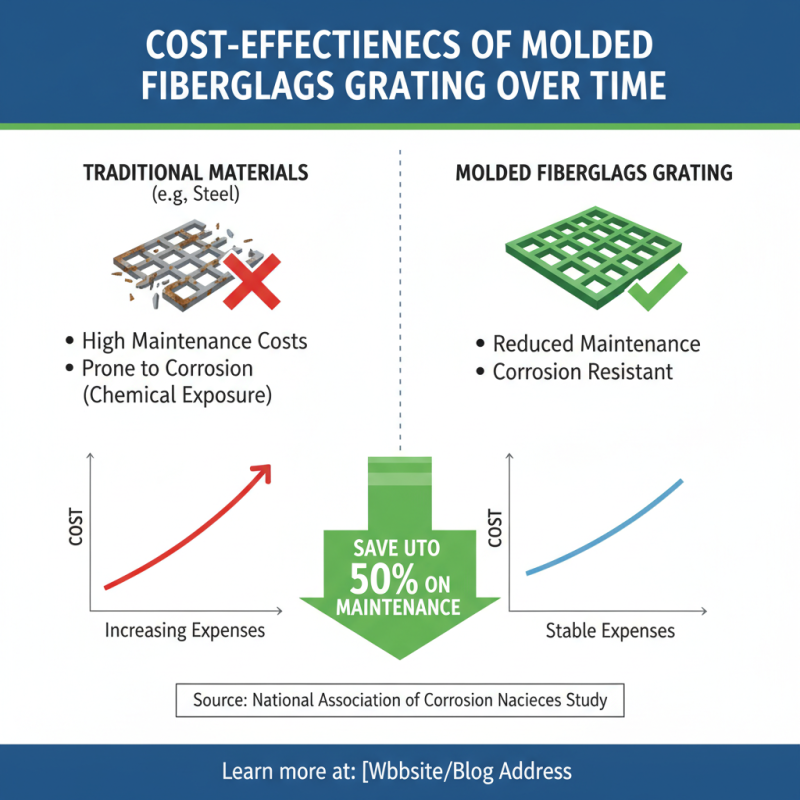
Molded fiberglass grating offers significant cost savings over time. Industries that have switched to this material often report a reduction in maintenance costs. According to a study by the National Association of Corrosion Engineers, fiberglass can cut maintenance expenses by up to 50%. This reduction is essential in facilities where chemical exposure is common and traditional materials may corrode quickly.
The upfront investment in molded fiberglass grating can be higher than steel or wood. However, the long-term benefits outweigh initial costs. A report from the American Institute of Chemical Engineers notes that the lifespan of fiberglass grating often exceeds 25 years. This longevity reduces the frequency of replacements, translating to lower lifecycle costs. Additionally, many users find that fiberglass requires less upkeep, as it is resistant to rust and corrosion.
Another key factor is safety. Molded fiberglass grating can improve workplace safety by minimizing slip hazards. A study from the Occupational Safety and Health Administration indicates that slip-related incidents lead to significant costs annually. The durability and slip-resistant surfaces of fiberglass grating can mitigate these risks. While it may seem like a larger upfront investment, the combined savings in maintenance and safety improvements can prove its worth over time. This makes molded fiberglass grating not just a choice, but a smart investment for industrial applications.
Safety Features of Molded Fiberglass Grating in Work Environments
Molded fiberglass grating stands out in industrial environments for its impressive safety features. One primary advantage is its non-slip surface. An industry report indicates that slips and falls account for 30% of all workplace injuries. The textured surface of molded fiberglass significantly reduces this risk. The materials used are also resistant to many chemicals, ensuring durability in harsh conditions.
Another critical safety feature is its lightweight design. Unlike traditional materials, fiberglass grating is easy to handle, reducing the potential for back injuries during installation. In many cases, it can support loads over 1,000 pounds per square foot. This capacity makes it reliable for high-traffic areas, but operators must still conduct regular inspections. Despite being sturdy, it’s essential to keep an eye on wear and tear.
Fiberglass grating also provides excellent visibility in low-light conditions. Its inherent light color reflects light, improving safety in industrial settings. An interesting observation is that this feature can often be overlooked. Regular maintenance is needed to retain its effectiveness. While molded fiberglass offers numerous benefits, professionals should remain cautious and ensure compliance with safety standards to maintain a safe working environment.
Versatility of Molded Fiberglass Grating for Various Applications
Molded fiberglass grating offers exceptional versatility across various industrial applications. This type of grating is lightweight yet strong, making it ideal for settings that require durable flooring solutions. Its resistance to corrosion allows it to perform well in harsh environments, from chemical processing plants to water treatment facilities. The ability to customize size and shape enhances its applicability.
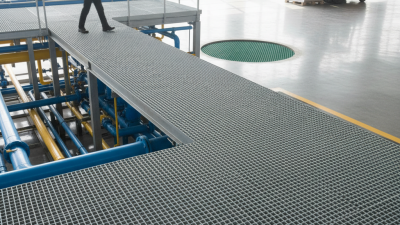
Beyond traditional flooring, molded fiberglass grating is widely used in walkways and platforms. The slip-resistant surface ensures safety in wet or slippery conditions. It can also be found in platforms around machinery, providing support and safety for workers. Its non-conductive nature is particularly beneficial in electrical environments, reducing the risk of accidents.
Despite its advantages, challenges exist. Proper installation is crucial to maximize its benefits. If incorrectly installed, structural integrity may be compromised. Furthermore, while molded fiberglass grating is resistant to most chemicals, there are exceptions that users should be aware of. Knowing these aspects can help industries make informed decisions when selecting materials.
Why Molded Fiberglass Grating is the Best Choice for Industrial Applications?