Why Choose Fiberglass Profile for Your Next Project?
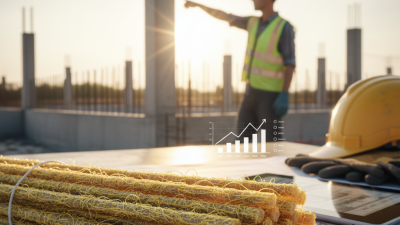
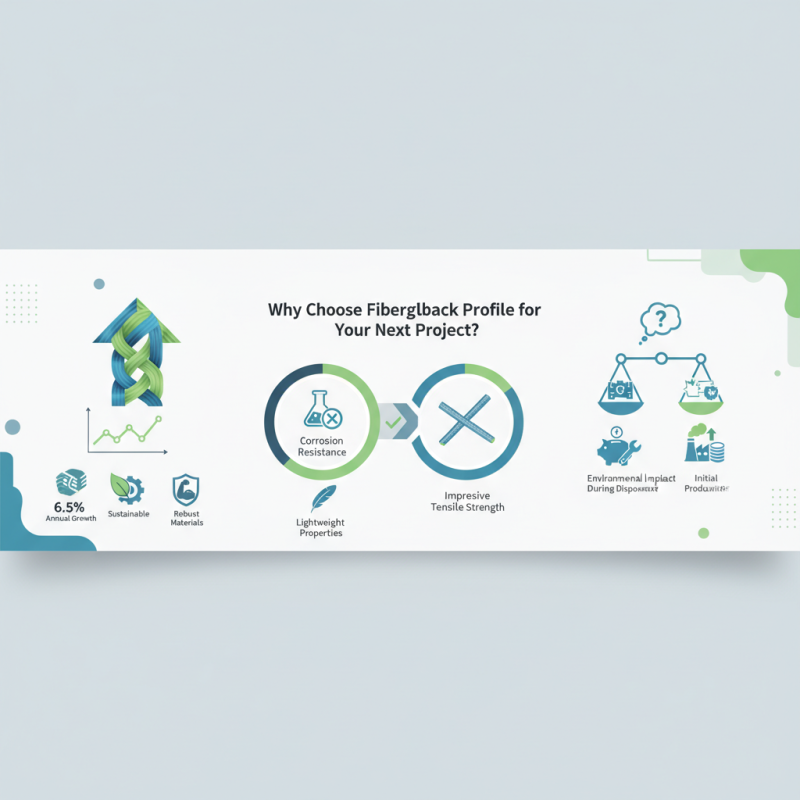
In today's construction and manufacturing sectors, the selection of materials is paramount. Fiberglass profiles, commonly referred to as FRP profiles, have gained recognition due to their unique properties. According to the Global Composites Market Report 2023, the fiberglass industry is projected to grow at a rate of 6.5% annually. This growth highlights a pivotal shift towards sustainable and robust materials.
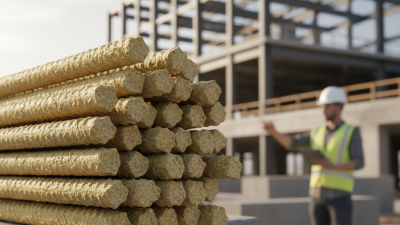
Fiberglass profiles offer benefits such as corrosion resistance and lightweight properties, making them ideal for various applications. With an impressive tensile strength that outperforms traditional materials, FRP profiles provide a reliable option without the bulk. However, the material also presents challenges. Professionals must consider factors like environmental impact during disposal and initial production costs.
Experts agree that choosing fiberglass profiles can significantly enhance project performance. Verified studies suggest that projects using FRP profiles report increased durability and reduced maintenance costs. Balancing these advantages against potential drawbacks is crucial for architects and engineers. Understanding this material's full impact is essential for making informed decisions in any project.
Understanding Fiberglass Profiles: Key Characteristics and Benefits
Fiberglass profiles have gained attention in various construction and manufacturing sectors. Their unique characteristics set them apart from traditional materials. For instance, fiberglass is lightweight yet incredibly strong. According to a report by the American Composites Manufacturers Association, fiberglass structures can withstand extreme conditions while maintaining their integrity. This resilience is crucial for applications in marine, automotive, and aerospace industries.
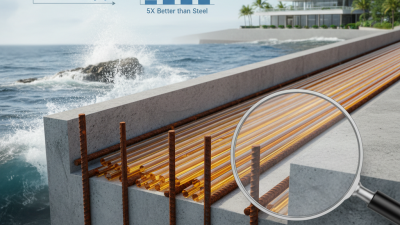
One of the primary benefits of fiberglass profiles is their corrosion resistance. In a recent study, it was found that fiberglass outperformed steel by nearly 50% in terms of lifespan in corrosive environments. This quality makes fiberglass an excellent choice for projects involving exposure to chemicals or saltwater. Furthermore, the insulation properties of fiberglass offer significant energy savings. Buildings utilizing fiberglass components often report reduced energy costs due to improved temperature regulation.
However, considerations need attention. The initial cost of fiberglass can be higher than some conventional materials. Additionally, not all suppliers might provide the same quality of fiberglass. This underscores the importance of selecting reliable sources. As industries evolve, understanding the intricacies of fiberglass profiles will likely lead to more optimized applications and designs. The data indicates a growing preference for fiberglass, yet more discussions on sustainability and end-of-life disposal should continue.
Benefits of Fiberglass Profiles in Various Applications
Cost-Effectiveness of Fiberglass Profiles in Construction and Manufacturing
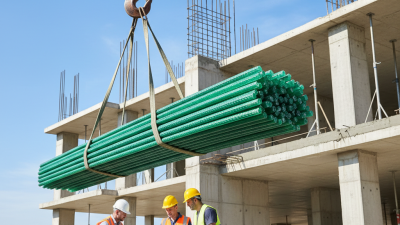
Fiberglass profiles are increasingly chosen for their cost-effectiveness in construction and manufacturing. These materials boast a strong strength-to-weight ratio, which can lead to significant savings. Lightweight components reduce transportation costs and labor expenses during installation. This efficiency is crucial for budget-conscious projects, as it allows for more efficient resource allocation.
Additionally, fiberglass is resistant to corrosion, unlike traditional materials like steel and wood. This durability translates to lower maintenance costs over time. Projects utilizing fiberglass profiles can enjoy extended lifespans, which ultimately contribute to financial savings. However, it is essential to weigh these benefits against potential limitations, such as initial material costs and availability. Not all contractors may be familiar with fiberglass, which can incur additional training expenses.
The choice of fiberglass profiles should be deliberate. Understanding the specific needs of your project is vital. While fiberglass shows great promise, market fluctuations and varying supplier reliability could disrupt project timelines. Always consider local expertise and resources. Striving for balance between innovation and practicality can ensure the best outcomes.
Durability and Longevity: Why Fiberglass Outperforms Other Materials
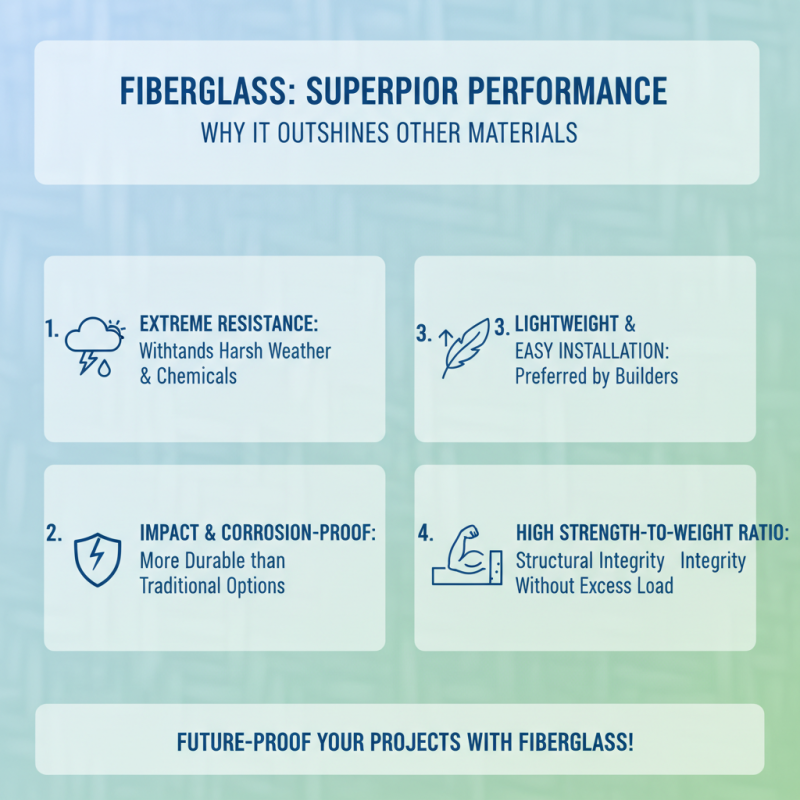
When considering materials for your next project, fiberglass stands out for its durability and longevity. This synthetic material can withstand harsh weather conditions, chemicals, and impact better than many traditional options. Its lightweight nature also contributes to ease of installation, making it a favorite for builders and architects alike. The strength-to-weight ratio of fiberglass ensures that structures maintain integrity without the excess load.
Tips: Always assess environmental factors. Fiberglass performs exceptionally well in diverse climates. If your project is in a harsh environment, fiberglass is likely to be a smarter choice.
One common misconception about fiberglass is the idea that it requires elaborate maintenance. In reality, fiberglass is low-maintenance. Its smooth surface resists grime and easy cleaning can prolong its lifespan. However, proper handling is crucial during installation, as mishandling can lead to cracks and imperfections.
Tips: Inspect fiberglass profiles before use. Small defects can affect overall performance. Always plan for adequate support to enhance its durability in load-bearing applications.
Applications of Fiberglass Profiles in Various Industries
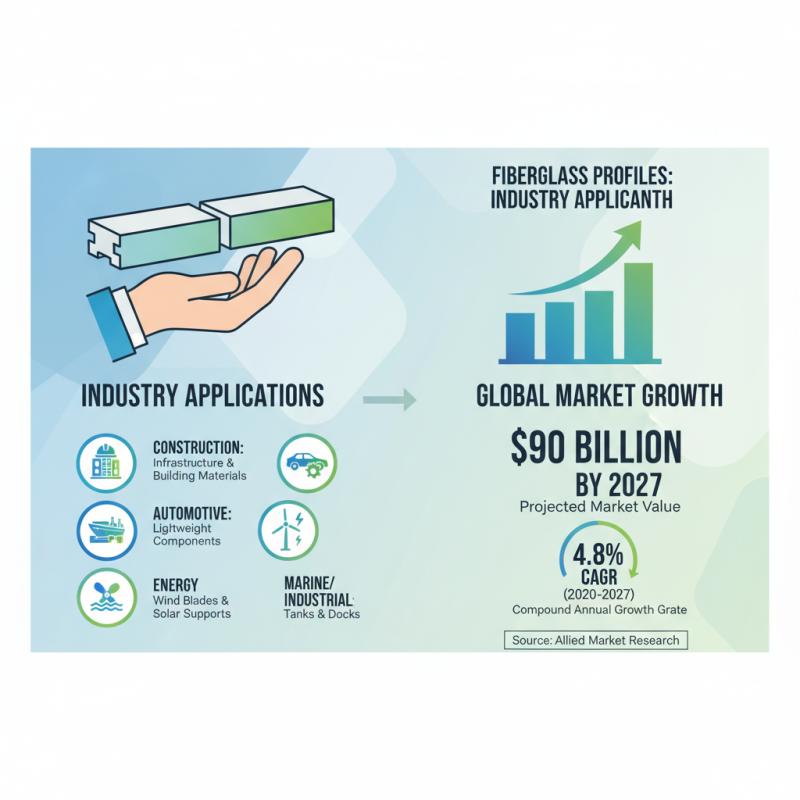
Fiberglass profiles have become increasingly popular across various industries due to their unique properties. From construction to automotive, these profiles offer strength, durability, and lightweight characteristics. According to a recent industry report by Allied Market Research, the global fiberglass market is projected to reach $90 billion by 2027, growing at a CAGR of 4.8%. This growth reflects the rising demand for advanced materials in diverse applications.
In the construction sector, fiberglass profiles are often used for both structural and decorative elements. Their resistance to corrosion makes them ideal for environments exposed to moisture. For instance, using fiberglass in roof trusses can enhance a building's lifespan. In transportation, fiberglass components help reduce vehicle weight, improving fuel efficiency. The automotive industry has seen a shift towards composites, with manufacturers reporting weight reductions of up to 20% with fiberglass applications.
When considering fiberglass for your next project, it’s important to assess specific application requirements. Not all fiberglass profiles are created equal. Understanding the properties of different types can help avoid performance issues. For instance, poorly chosen profiles may crack under stress. Always consult with material experts to ensure optimal selection.
One tip: Regularly review the latest industry standards. Emerging technologies in fiberglass manufacturing can offer new benefits or applications that were not previously available. Keeping informed can lead to better project outcomes and innovative uses of fiberglass.
Environmental Considerations: Sustainability of Fiberglass Products
Fiberglass is gaining popularity due to its sustainability aspects. Many professionals acknowledge its eco-friendly benefits. Unlike traditional materials, fiberglass can be made from recycled materials. This significantly reduces waste in landfills. Moreover, its durability means fewer replacements over time. Using fiberglass reduces the demand for new resources.
The life cycle of fiberglass products also plays a crucial role. They are lightweight yet strong, leading to lower transportation emissions. Additionally, manufacturers are increasingly adopting greener production methods. It’s essential to recognize the challenges too, as the recycling process for fiberglass is not always straightforward. Some end-of-life products can still end up in landfills.
Using fiberglass requires a commitment to sustainability. Companies must consider the entire lifecycle. While benefits are clear, ongoing discussions about recycling methods are necessary. Every project should weigh options carefully. Are we making the most eco-conscious choices? Engaging with experts can lead to more informed decisions. Rethinking materials impacts not only projects but the environment as well.