2026 How to Use Fibre Glass Rebar for Stronger Construction Projects?
Fibre Glass Rebar is transforming the construction industry. Its unique properties make it an ideal choice for various projects. This innovative material excels in strength, durability, and resistance to corrosion. Builders are embracing it for both small and large-scale applications.
Using Fibre Glass Rebar can significantly enhance structural integrity. Unlike traditional steel, it weighs less and is easier to handle. This can lead to faster project completion times. However, some may still question its long-term performance. It's important to approach this material with both enthusiasm and caution.
Field tests and case studies can provide valuable insights. By investigating real-world applications, one can better understand the benefits and limitations of Fibre Glass Rebar. Engaging with industry experts can also deepen your understanding. Ultimately, adopting this material requires careful consideration and ongoing evaluation.
Understanding Fibre Glass Rebar: Definition and Benefits
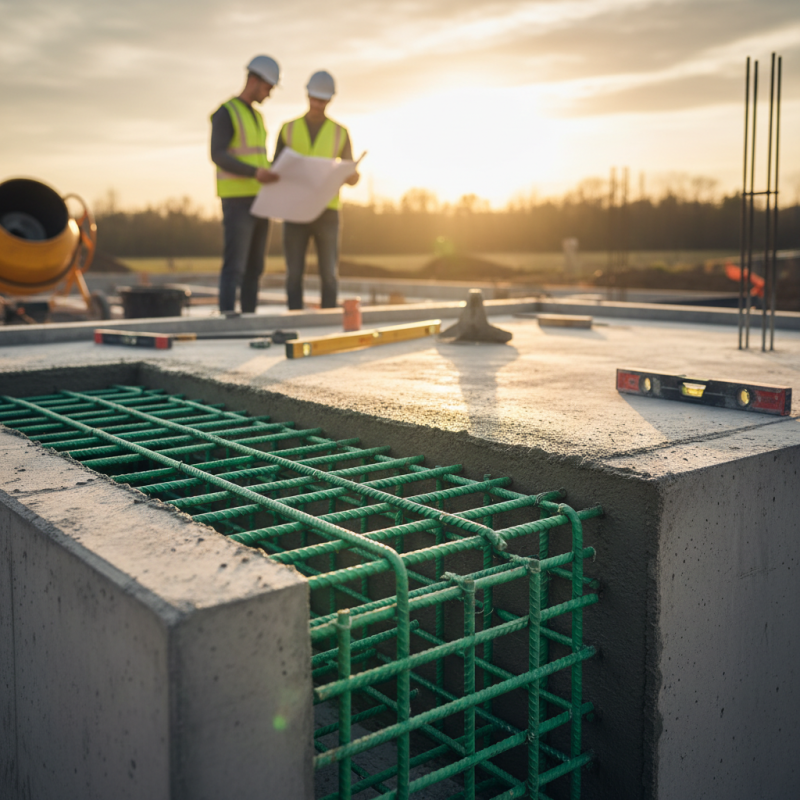
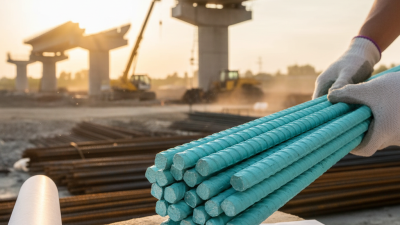
Fibre glass rebar is gaining attention for its strength and durability in construction. This material, made from glass fibers and resin, offers numerous benefits over traditional steel rebar. It is lightweight and resistant to corrosion, making it a superior choice for various projects. The reduction in weight can simplify handling and installation, saving both time and labor costs.
A key advantage of fibre glass rebar is its resistance to harsh environmental conditions. It does not rust or corrode, which means structures can last longer with less maintenance. This property is particularly valuable in areas with high moisture or aggressive soils. Additionally, fiber glass rebar has a tensile strength comparable to steel, ensuring that it can withstand significant loads.
Tips for using fibre glass rebar effectively include ensuring proper placement during installation. Installing it correctly guarantees optimal performance. Regular inspections are important to assess any potential bonding issues. Always follow manufacturer recommendations for best practices, as these guidelines can enhance the effectiveness of this innovative material. Emphasizing training for workers on handling fibre glass rebar can further improve project outcomes.
Key Differences Between Fibre Glass Rebar and Traditional Steel Rebar
Fibre glass rebar offers substantial advantages over traditional steel rebar, particularly in durability and corrosion resistance. According to a report by the American Concrete Institute, fibre glass rebar can increase the lifespan of concrete structures by up to 50%. This is largely due to its non-corrosive properties, which make it ideal for harsh environments, such as near saltwater or de-icing agents.
The weight difference is significant as well. Fibre glass rebar is approximately one-quarter the weight of steel rebar, facilitating easier transport and installation. This reduces the overall labor costs in construction projects. However, some engineers express concerns about the shear strength of fibre glass. While it is lighter, it may not perform as well under certain heavy-load conditions compared to steel.
Cost is another factor to consider. Fibre glass rebar can have a higher initial cost than traditional steel. A 2021 report from the International Association of Concrete Specialists indicated that while upfront expenses might be daunting, the long-term savings on maintenance and replacement can justify this investment. Each project manager must weigh the importance of immediate costs against potential benefits for durable structures.
Comparison of Fibre Glass Rebar and Traditional Steel Rebar
Step-by-Step Guide to Installing Fibre Glass Rebar in Construction
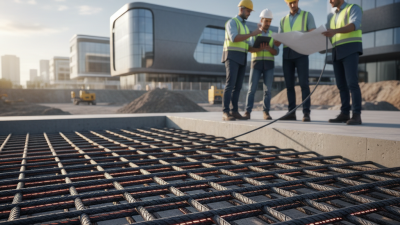
Installing fibre glass rebar can significantly enhance the strength and durability of construction projects. The first step involves preparing the site. Ensure the area is clear of debris. This simple action makes a notable difference. Adequate planning for the installation is essential. Understand the specifications of the project. Take note that fibre glass rebar has unique properties compared to traditional materials.
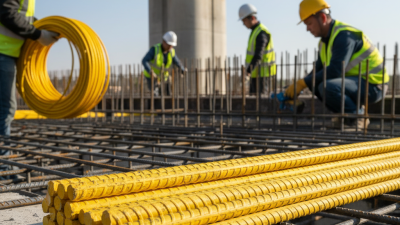
When cutting and shaping the fibre glass rebar, use proper tools. The rebar should be cut to precise lengths. Inaccuracies can weaken the structural integrity, leading to potential failures later. Proper bending techniques must also be followed. Misalignment can create stress points that compromise the structure. Secure it in place using appropriate connectors.
After installation, inspection is crucial. Look for any signs of misalignment or weak points. It’s not uncommon to miss small details. Regular checks during the pouring process can prevent future complications. Ensure that the concrete cover is sufficient to protect the rebar. While fibre glass rebar is corrosion-resistant, neglecting this step might still lead to issues. Attention to these details can lead to stronger, longer-lasting constructions.
Best Practices for Maintaining and Inspecting Fibre Glass Rebar
When using fibre glass rebar in construction, regular maintenance and inspection are crucial. The unique material offers resilience against corrosion. Yet, it requires careful attention throughout its lifecycle. Inspect the rebar for signs of wear. Even minor damages can lead to structural weaknesses.
Ensure that the installation is done correctly. Check alignment and spacing during the process. Improper placement can undermine the benefits of fibre glass rebar. After installation, schedule periodic inspections. This habit can prevent long-term problems.
It's essential to inspect in areas exposed to moisture or extreme temperatures, as these conditions can accelerate degradation.
Training for construction teams is vital. Workers should understand the best practices for handling and maintaining fibre glass rebar. A lack of experience can lead to mistakes. It’s also beneficial to document inspections and maintenance actions. This record can offer valuable insights for future projects. Being proactive can enhance the longevity of fibre glass rebar, reinforcing its effectiveness in construction.
Case Studies: Successful Projects Utilizing Fibre Glass Rebar
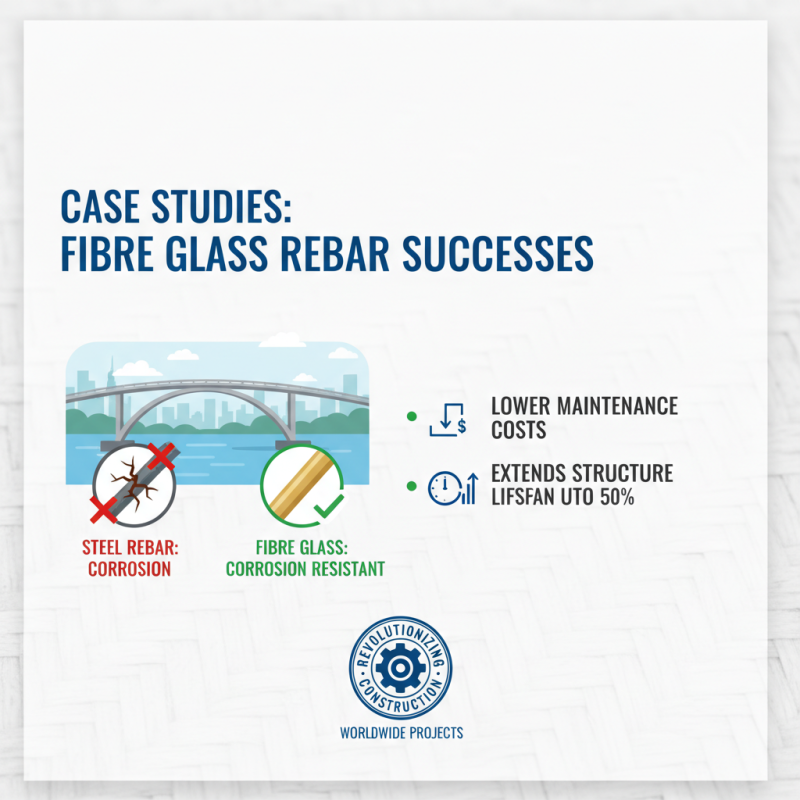
Fibre glass rebar is revolutionizing construction. Case studies show significant benefits in projects worldwide. For instance, a bridge built with fibre glass rebar in a coastal region displayed superior corrosion resistance. Traditional steel rebar often suffers from rust, especially in humid areas. In contrast, fibre glass rebar maintained structural integrity over time, resulting in lower maintenance costs. According to industry reports, using fibre glass can extend the lifespan of structures by up to 50% compared to conventional materials.
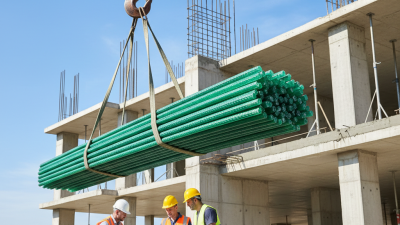
In a notable infrastructure project, a high-rise building utilized fibre glass rebar for its lightweight properties. This choice reduced the overall weight of the concrete, which led to savings in foundation costs. Furthermore, the ease of installation is a clear advantage. Workers reported that handling fibre glass rebar is much simpler than steel.
Tip: Always assess the specific environmental conditions before choosing materials. Not all projects benefit equally from fibre glass. A thorough analysis helps in making informed decisions. Another crucial point is to consider local building codes. Compliance can save time and avoid future complications. While fibre glass rebar offers advantages, its high initial cost can deter some developers. Balancing long-term benefits with upfront investments is essential in project planning.