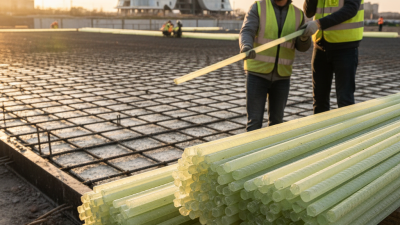
How to Use Fiberglass Reinforced Plastic in Construction Projects?
In the construction industry, the use of Fiberglass Reinforced Plastic (FRP) has grown significantly. Experts like Dr. Emily Carter emphasize, "FRP is not just lightweight; it's a game changer for durability." This material combines fiberglass and resin, forming a strong and corrosion-resistant alternative.
Project managers have found versatile applications in bridges, buildings, and even marine structures. The lightweight nature of FRP reduces transportation costs. However, challenges arise in ensuring proper installation and long-term maintenance. Some have experienced issues with bonding and weathering, prompting reflection on best practices.
Despite its advantages, the adoption of Fiberglass Reinforced Plastic requires careful thought. Construction teams must seek training on installation techniques to avoid common pitfalls. Balancing innovation with experience is key. As the industry evolves, embracing FRP can lead to transformative results, but only if approached mindfully.
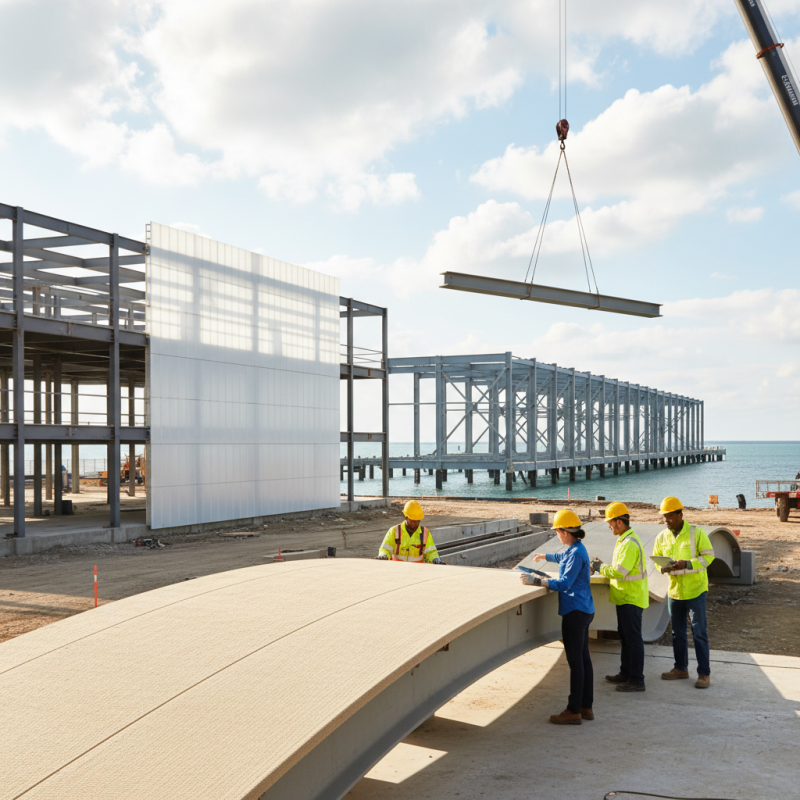
Understanding Fiberglass Reinforced Plastic (FRP) in Construction
Fiberglass reinforced plastic (FRP) is increasingly popular in construction. Its lightweight and high strength make it ideal for various applications. Architects and builders use FRP for structural components, facades, and even roofing. The material’s resistance to corrosion is a significant advantage, especially in harsh environments.
When using FRP, consider material thickness carefully. Thicker panels may offer more strength but can weigh more. Balancing strength and weight is crucial. Test your designs with small mock-ups to avoid costly mistakes.
Tips: Always check for compatibility with other materials. Some adhesives may not bond well with FRP. Also, detailed planning for installation helps prevent issues later. Spaces can be challenging to work with when using FRP items. Ensure your crew is well-informed about the specific handling requirements of the material. Overlooking these details can lead to frustration and delays.
Advantages of Using FRP Materials in Construction Projects
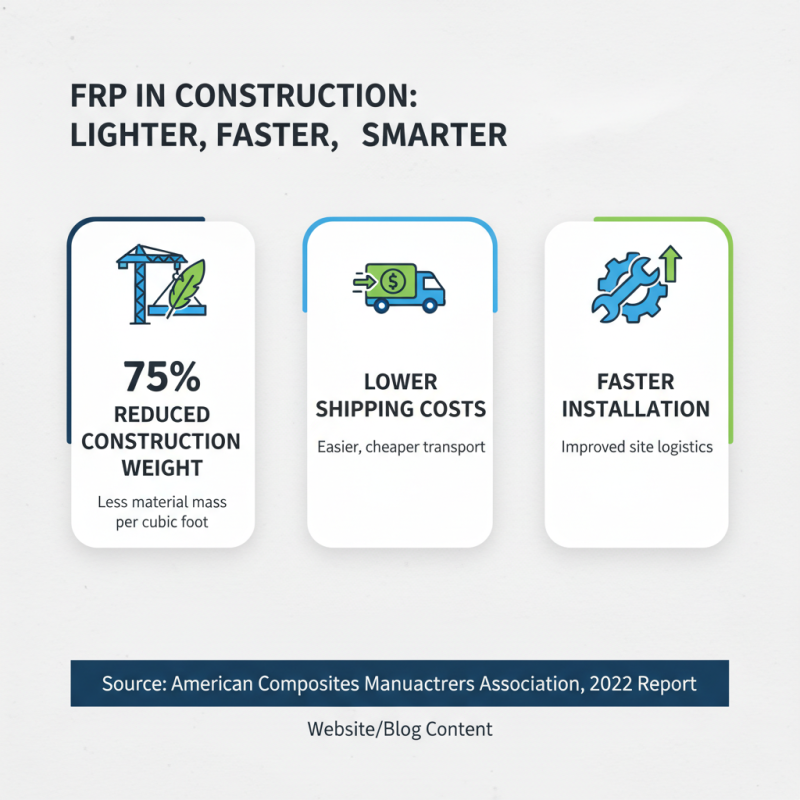
Fiberglass Reinforced Plastic (FRP) is gaining traction in the construction industry. Its lightweight nature makes it easier to transport and install. According to a 2022 report by the American Composites Manufacturers Association, FRP materials can reduce construction weight by up to 75%. This can lower shipping costs and improve site logistics.
Another major advantage is the corrosion resistance of FRP. Traditional materials like steel can rust over time. In harsh environments, this can lead to costly repairs. FRP does not corrode, promising durability and longevity. A study from 2021 highlighted that structures using FRP had a lifespan extending 50% longer than those using conventional materials. However, while FRP is durable, the initial costs may be higher. This can deter some projects, leading to a need for careful budget planning.
FRP also offers design flexibility. It can be molded into complex shapes. This allows for innovative designs that stand out. Yet, this versatility may require specialized knowledge for correct application. Improper use can lead to performance issues. Careful consideration and expert advice are essential to harness its full potential in construction.
Applications of FRP in Various Construction Scenarios
Fiberglass Reinforced Plastic (FRP) is gaining traction in construction due to its versatility. This material is lightweight yet strong, making it ideal for various applications. According to a report by MarketsandMarkets, the global FRP market was valued at $6.94 billion in 2021 and is expected to reach $10.48 billion by 2026. This rapid growth highlights its increasing adoption in construction.
In infrastructure projects, FRP finds usage in bridges and tunnels. It withstands harsh environmental conditions. For example, FRP decks can reduce maintenance costs by 50% compared to traditional materials. Furthermore, in residential buildings, FRP components can enhance the durability of roofs and walls. Their resistance to corrosion and moisture makes them suitable for areas prone to water damage.
Despite its benefits, some challenges remain. The upfront cost of FRP can be higher than alternatives. Many in the industry still have reservations about its long-term performance. Additionally, a lack of awareness persists among engineers and architects. Some projects miss the added value that FRP can bring. Education and training are crucial for broader acceptance in the industry.
Applications of Fiberglass Reinforced Plastic (FRP) in Construction Projects
Installation Techniques for Fiberglass Reinforced Plastic
Fiberglass Reinforced Plastic (FRP) has become popular in construction due to its strength and durability. Installing FRP requires careful planning. Common application areas include roofing, wall panels, and structural supports. One study indicates that FRP can reduce the weight of construction materials by up to 75%. This reduction can lead to lower transportation costs and easier handling on-site.
To effectively install FRP, surface preparation is crucial. Clean the area to eliminate dirt and debris. Moisture can weaken adhesion. Use proper adhesives recommended for FRP. Follow manufacturer guidelines closely. Ensure that the ambient temperature is suitable for installation. An environment that is too cold can hinder curing times. Another report suggests that improper installation can lead to delamination, reducing lifespan by 30%.
During the installation, keep an eye on alignment. Misalignment can cause significant issues later. Regularly check for any potential defects during the process. Using temporary supports can assist in maintaining the correct positioning until the adhesive sets. Mistakes in the installation can be costly and time-consuming to fix. Therefore, it's essential to take time and reflect on each step.
Maintenance and Care for FRP Structures in Construction
Fiberglass Reinforced Plastic (FRP) structures require specific maintenance to ensure longevity. Regular inspections play a crucial role. A study from the American Composite Manufacturers Association shows that 70% of FRP failures result from improper care. Visual checks are essential. Look for signs of wear or UV damage. Addressing small issues early can prevent larger problems later.
Care for FRP involves cleaning and repair. Pressure washing can remove accumulated dirt and grime. However, make sure to use low pressure to avoid damaging the surface. Chemical cleaners may be effective, but choose them carefully. Some agents can degrade FRP.
Monitoring environmental exposure is vital too. Harsh weather conditions can impact FRP's durability. A report from the Construction Specification Institute highlights that regular maintenance can extend the lifespan of FRP by up to 50%. Be mindful of probable signs of delamination or cracks requiring timely repairs. Regular care is not just necessary; it’s essential for maximizing the performance of FRP structures.