How to Use Basalt Rebar for Strengthening Your Construction Projects?
Basalt Rebar is transforming the construction industry. Its unique properties offer advantages over traditional materials. According to Dr. John Smith, a leading expert in structural engineering, "Basalt Rebar represents the future of durable construction." This statement reflects the growing recognition of its benefits.
Using Basalt Rebar can significantly enhance the strength of structures. It is lightweight, corrosion-resistant, and has a high tensile strength. These characteristics make it an ideal choice for diverse projects. However, many builders still hesitate to adopt it fully. Misunderstandings about its applications can lead to challenges on-site.
The transition to using Basalt Rebar also requires careful consideration. While it provides excellent performance, the initial cost can be daunting. There are instances where builders faced issues, such as improper installation or lack of training. It’s crucial to approach the learning curve with diligence and patience. Embracing the full potential of Basalt Rebar can yield remarkable results in modern construction.

Understanding Basalt Rebar: Properties and Benefits in Construction
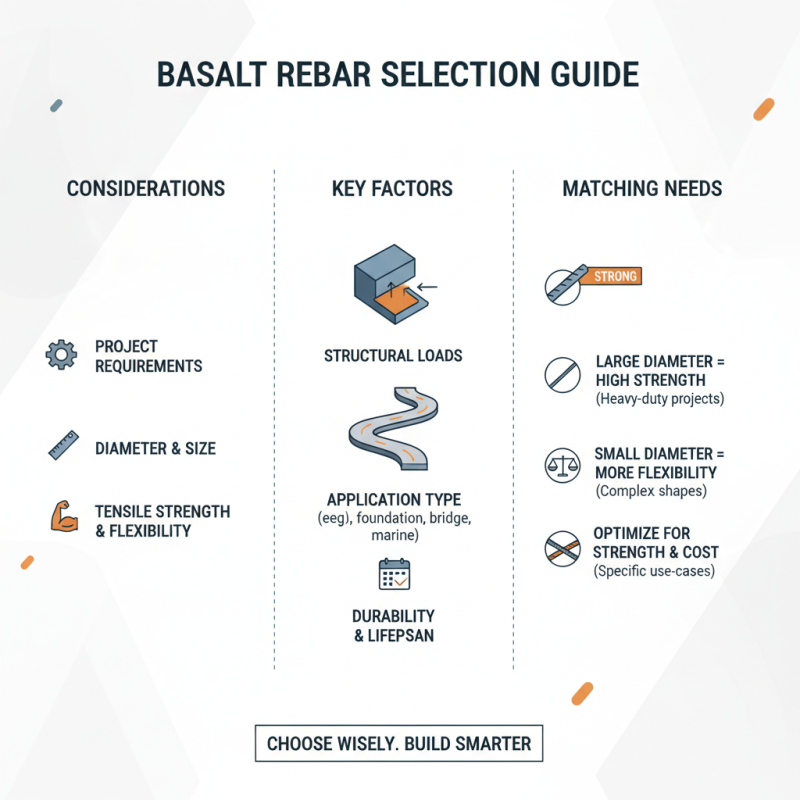
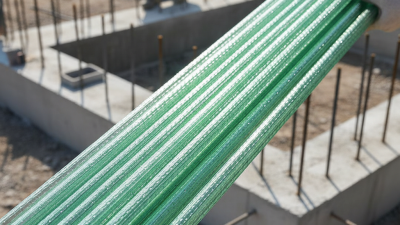
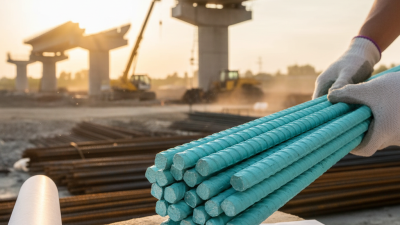
Basalt rebar is gaining attention in modern construction. It is made from volcanic rock, which offers unique properties. This material is lightweight, corrosion-resistant, and non-conductive. These features make it ideal for various projects, especially in harsh environments.
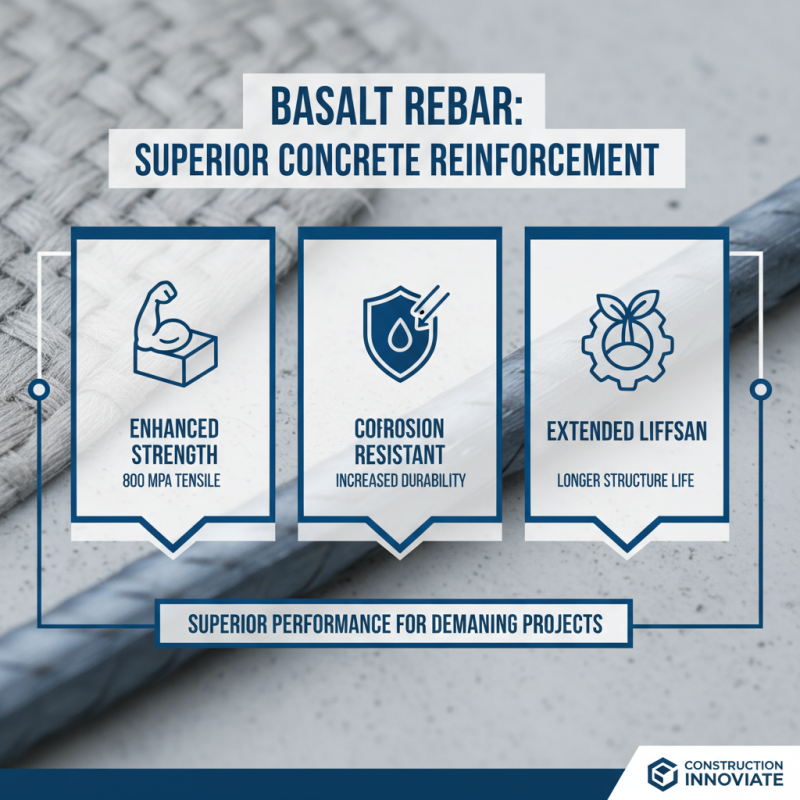
The strength of basalt rebar is notable. It has a high tensile strength, outperforming traditional steel in some aspects. This durability means structures can last longer, saving costs in maintenance. Moreover, basalt rebar is environmentally friendly. It reduces the need for frequent replacements, thus lowering the carbon footprint.
However, there are some challenges. Installation techniques vary from those used with steel. Workers may need training to adapt. Quality control can be inconsistent in some suppliers, leading to potential weaknesses. These factors should be considered when planning projects. Overall, incorporating basalt rebar requires careful thought and evaluation, ensuring optimum results.
Installation Techniques for Basalt Rebar in Construction Projects
Basalt rebar is becoming popular in construction for its unique properties. It offers higher tensile strength than traditional steel rebar. Installing basalt rebar requires specific techniques to maximize its potential. Proper installation ensures durability and structural integrity.
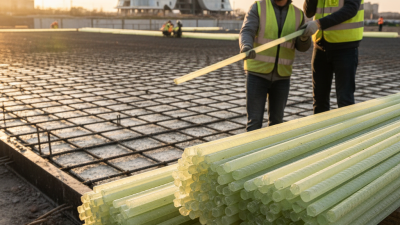
When placing basalt rebar, ensure it’s spaced correctly. A common guideline suggests a spacing of 12 inches in concrete reinforcement applications. It is crucial to align the bars properly to distribute stress evenly. Using a jig can help maintain consistent spacing during installation. Basalt's lightweight nature allows for easier handling, but caution is necessary to prevent damage during placement.
According to industry reports, structures reinforced with basalt rebar can last 50% longer than those using steel. However, some installers overlook the need for proper bonding with concrete. This oversight can lead to failure over time. Additionally, the need for specialized tools for cutting and bending basalt rebar can be a drawback. Balancing these challenges with the benefits is vital for successful implementation.
How to Use Basalt Rebar for Strengthening Your Construction Projects? - Installation Techniques for Basalt Rebar in Construction Projects
| Installation Step |
Description |
Benefits |
| 1. Site Preparation |
Clear the construction site of debris and ensure the ground is stable. |
Ensures a solid foundation for rebar installation. |
| 2. Measurement and Cutting |
Measure the required lengths of basalt rebar and cut them as needed. |
Allows for precise fitting within the construction project. |
| 3. Placement |
Place basalt rebar in the designated locations according to design specifications. |
Enhances structural integrity by providing strength where needed. |
| 4. Tying and Securing |
Secure the rebar using tie wire to prevent movement during concrete pouring. |
Maintains the position of rebar for optimal performance. |
| 5. Concrete Pouring |
Pour concrete over the placed rebar ensuring full coverage and consolidation. |
Encapsulates rebar for reinforcement, improving load-bearing capacity. |
| 6. Curing |
Allow concrete to cure properly which is essential for achieving the desired strength. |
Increases durability and life span of the construction. |
Evaluating the Performance of Basalt Rebar in Structural Applications
Basalt rebar has gained attention for its potential in structural applications. It is made from volcanic rock, which provides exceptional strength and durability. Studies show that basalt rebar is about 30% stronger than traditional steel rebar. Additionally, it is corrosion-resistant, making it suitable for harsh environments. This feature is crucial in applications like bridges and roadways.
Despite these advantages, there are challenges with basalt rebar. It is generally more expensive than steel. Initial costs can be a concern for some projects. Furthermore, its weight can impact handling and installation times. Builders need to consider these factors carefully.
**Tip:** When using basalt rebar, ensure you account for thermal expansion. It behaves differently than steel under temperature changes.
The performance of basalt rebar in concrete structures has been promising. Research indicates that the bonding strength with concrete is strong. A report from a construction materials institute found that structures using basalt rebar outperformed those with conventional materials in load-bearing tests.
**Tip:** Always test basalt rebar samples before large-scale application. This helps identify potential weaknesses that could emerge during installation.
Performance Evaluation of Basalt Rebar in Structural Applications