Top 10 Benefits of GFRP Rebar Glass Fiber Material in China?
The construction industry in China is witnessing a significant shift with the adoption of GFRP rebar glass fiber material. Renowned expert Dr. Liu Chen, a material scientist at the Chinese Academy of Sciences, states, "The use of GFRP rebar not only enhances durability but also reduces weight in construction projects." This innovative material has gained attention for its impressive properties, which can revolutionize the way structures are built.
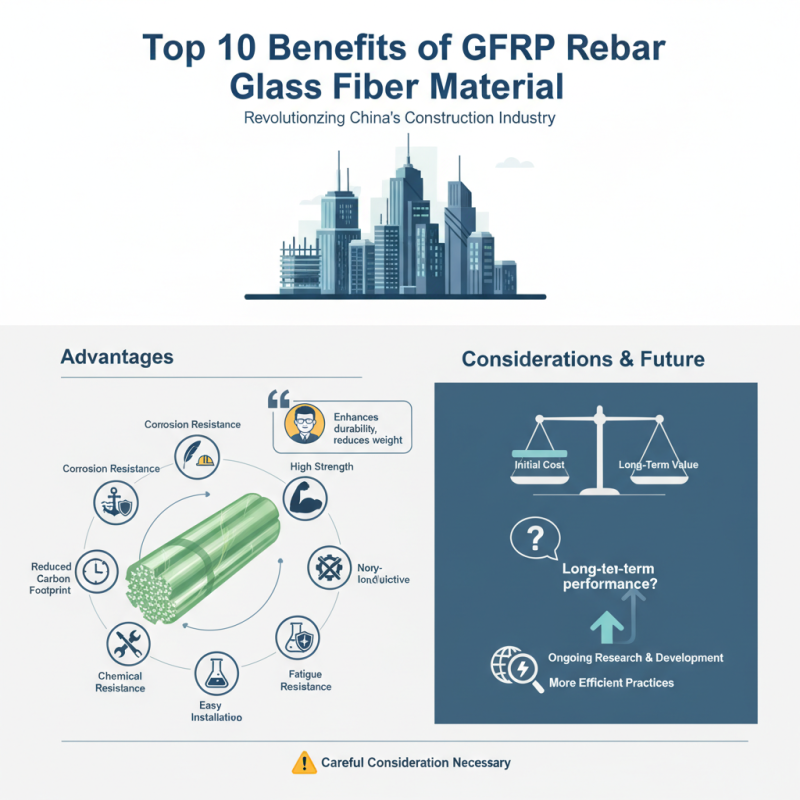
GFRP rebar glass fiber material offers multiple benefits, making it a popular choice among engineers and builders. Its resistance to corrosion is particularly crucial for structures exposed to harsh environments. With the growing focus on sustainability, the lightweight nature of GFRP reduces the need for heavy machinery, which can minimize carbon footprints.
However, skepticism remains regarding its long-term performance. Some engineers question whether GFRP's advantages justify its higher initial costs compared to traditional materials. Ongoing research and developments are essential to address these concerns and demonstrate the reliability of GFRP rebar in various construction scenarios. Embracing this material could lead to more efficient practices in the future, but careful consideration is necessary.
Overview of GFRP Rebar and Its Composition
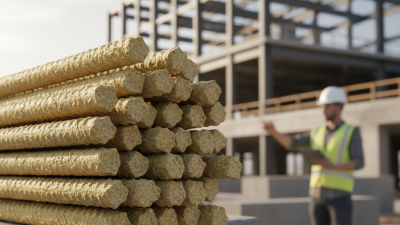
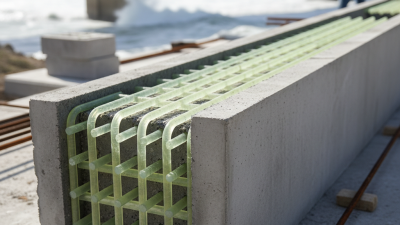
GFRP rebar, or Glass Fiber Reinforced Polymer rebar, is a modern material gaining attention in construction. Its composition includes high-strength glass fibers embedded in a polymer matrix. This design makes GFRP rebar lightweight yet incredibly strong. The materials are resistant to corrosion, which is a common problem with steel reinforcement. This feature extends the lifespan of structures, especially in harsh environments.
Despite its benefits, GFRP rebar isn't without challenges. The manufacturing process requires precise conditions, limiting its widespread availability. Additionally, the material may not perform as well under high temperatures compared to traditional rebar. Designers must consider these factors when choosing reinforcement materials. Engineers need training to understand GFRP's specific behaviors and applications fully. In essence, while GFRP rebar presents an exciting innovation, recognizing its limitations is crucial for effective use in construction projects.
Top 10 Benefits of GFRP Rebar Glass Fiber Material in China
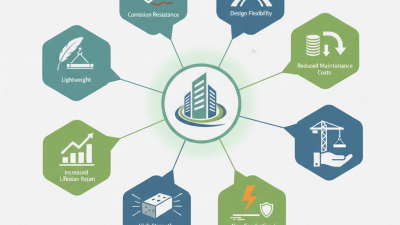
This chart illustrates the top ten benefits of using GFRP rebar made from glass fiber material in construction applications in China, highlighting its advantages in terms of weight, corrosion resistance, and durability.
Key Advantages of GFRP Rebar Over Traditional Materials
GFRP rebar, made from glass fiber, presents notable advantages over traditional steel materials. One of the key benefits is its lightweight nature. This makes for easier handling and installation, reducing labor costs. Additionally, GFRP's resistance to corrosion is a significant advantage in harsh environments, such as coastal areas. Unlike steel, it does not rust, ensuring long-term durability.
Another advantage is the high tensile strength of GFRP rebar. This enables structures to withstand greater loads without compromising safety. Moreover, GFRP has a lower thermal conductivity compared to steel. This property contributes to better thermal insulation in buildings, potentially lowering energy costs. However, it is vital to consider the material's behavior under extreme temperatures and its suitability for specific applications.
GFRP rebar also offers electromagnetic transparency. This feature is beneficial in locations where electronic signals are essential. While there are still challenges, such as a higher initial cost and limited public awareness, the potential advantages of GFRP in construction are noteworthy. As the industry evolves, understanding these materials ensures better decision-making for sustainable design.
Top 10 Benefits of GFRP Rebar Glass Fiber Material in China
| Benefit |
Description |
Comparison with Traditional Materials |
| Lightweight |
GFRP rebar is significantly lighter than steel rebars, reducing transportation and installation costs. |
Easier handling and fewer resources required for installation. |
| Corrosion Resistance |
GFRP is not subject to corrosion, extending the lifespan of structures. |
Traditional steel rebar often suffers from rust, leading to frequent repairs. |
| Higher Strength-to-Weight Ratio |
Provides superior strength compared to its weight, offering better performance. |
Steel rebar is stronger but significantly heavier. |
| Non-Magnetic |
Ideal for use in sensitive environments, like hospitals and laboratories. |
Steel can interfere with magnetic fields and medical equipment. |
| Thermal Insulation |
Offers better thermal insulation properties than steel, leading to energy savings. |
Steel transfers heat, potentially increasing energy expenses in buildings. |
| Chemical Resistance |
Resistant to many chemical agents, making it suitable for harsh environments. |
Steel can be damaged by various chemicals, leading to structural issues. |
| Ease of Installation |
Less labor-intensive due to lightweight nature, saving time and costs. |
Steel requires more manpower for handling and installation. |
| Long-Term Cost Efficiency |
Although initial costs may be higher, lower maintenance leads to cost savings over time. |
Traditional materials incur ongoing maintenance expenses. |
| Environmental Benefits |
GFRP is recyclable and has a lower carbon footprint compared to steel production. |
Steel production is energy-intensive and environmentally harmful. |
Applications of GFRP Rebar in Construction Projects
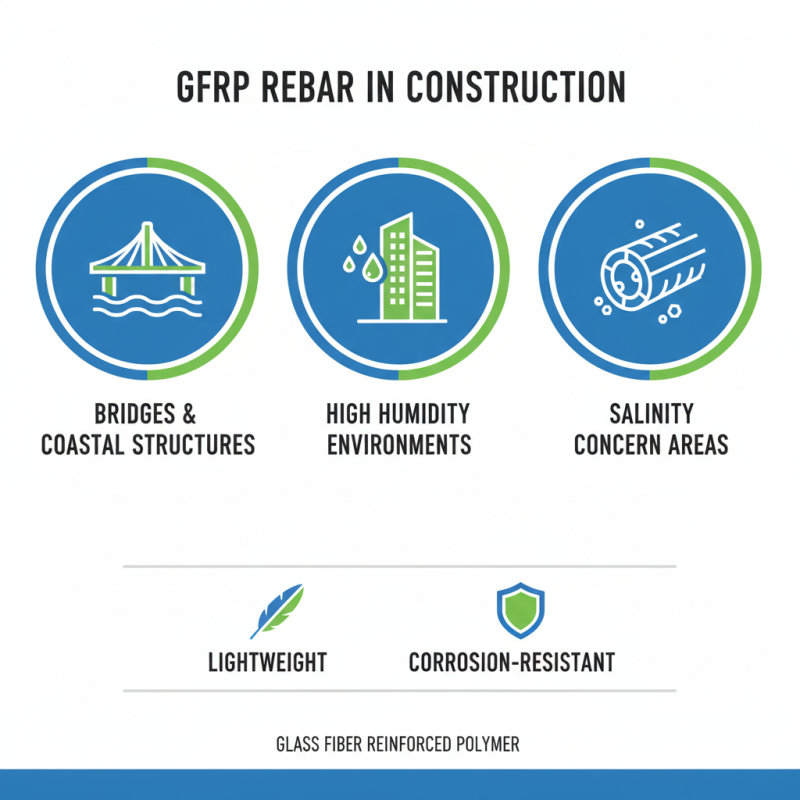
GFRP rebar, made from glass fiber reinforced polymer, is increasingly popular in construction projects across China. This material is lightweight and resistant to corrosion, making it ideal for various applications. In areas with high humidity or where salinity levels are a concern, GFRP rebar proves particularly effective. Structures like bridges and coastal buildings can particularly benefit from this material.
In addition to its durability, GFRP rebar is also easy to handle and install. Workers appreciate its light weight, which especially helps in reducing labor costs. Projects can often be completed more swiftly as a result. However, it's important to acknowledge that GFRP might not always be the most cost-effective solution initially. The long-term benefits often outweigh these initial costs, but project managers need to exercise caution in budgeting.
GFRP rebar is suitable for various structural applications. It is utilized in bridges, tunnels, and even precast concrete elements like panels and slabs. Some engineers express concerns regarding its long-term behavior under varying loads. More research is needed to fully understand its performance over time. Despite these uncertainties, the growing trend suggests a promising future for GFRP in construction.
Environmental Benefits of GFRP Rebar in Sustainable Building
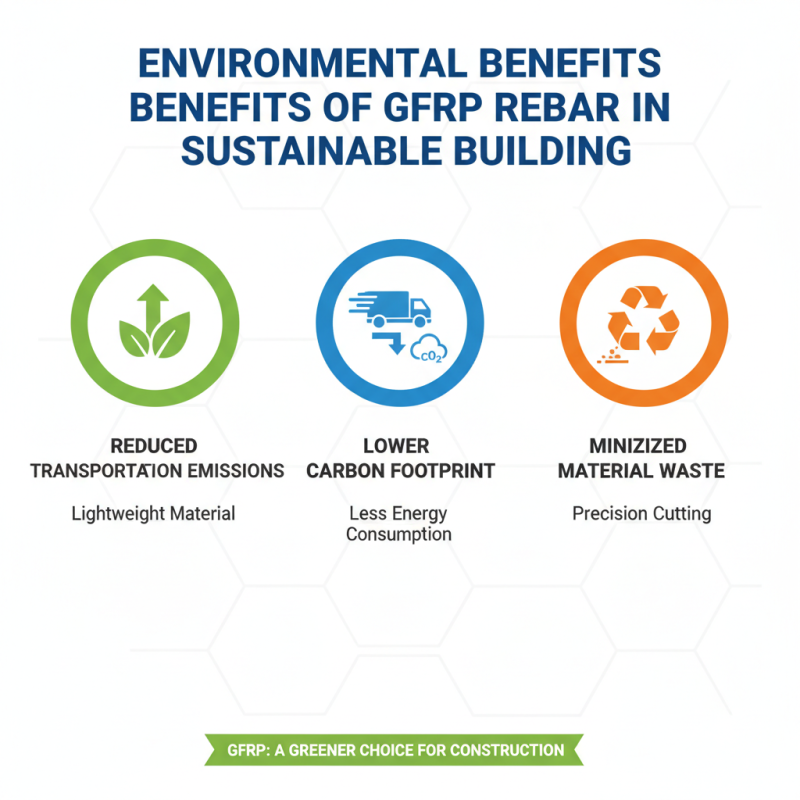
The use of Glass Fiber Reinforced Polymer (GFRP) rebar in construction presents significant environmental benefits. GFRP rebar is lightweight yet strong, making it easier to transport and handle. This reduced weight lowers energy consumption during transportation, which is crucial for minimizing the carbon footprint of building projects. Additionally, using GFRP rebar can lead to less material waste compared to traditional steel, as it is often cut and shaped with greater precision.
Another advantage is the corrosion resistance of GFRP. Unlike steel, GFRP does not rust, which extends the lifespan of structures and reduces the need for maintenance. This longevity results in fewer repairs and replacements over time, significantly lowering the consumption of raw materials and energy. However, the production process of GFRP can still pose environmental concerns, primarily linked to the extraction of raw materials and energy usage during manufacturing.
Moreover, GFRP can be recycled, contributing to a circular economy in construction. While recycling practices are still developing, the potential for reusing GFRP materials offers hope for a sustainable future. Challenges remain, such as varying standards for GFRP recycling and the awareness of its benefits in the building industry. Emphasizing responsible sourcing and manufacturing is vital for maximizing the environmental benefits associated with GFRP rebar.
Market Trends and Future Potential of GFRP Rebar in China
The market for GFRP (Glass Fiber Reinforced Polymer) rebar in China is on the rise. This trend is driven by the need for sustainable construction materials. GFRP offers excellent corrosion resistance, which is critical for infrastructure in coastal and industrial areas. The lifespan of infrastructure can be significantly extended with GFRP, reducing maintenance costs over time.
Despite its advantages, there are challenges within this growing market. The initial cost of GFRP rebar is higher compared to traditional materials. This can deter some builders from making the switch. Additionally, there is a need for more education and training on the proper installation of GFRP products. Many contractors are not familiar with working with this material.
Future potential looks promising, as awareness continues to expand. More cities are adopting eco-friendly building practices. As regulations tighten around traditional materials, the demand for GFRP is expected to increase. Innovation in manufacturing processes may also lead to cost reductions over time. All these factors contribute to a bright outlook for GFRP rebar in China.