Top 10 Benefits of Gfrp Rebar Glass Fiber Material for Construction?
Gfrp Rebar Glass Fiber Material has revolutionized the construction industry. Its applications are becoming increasingly vital in modern building projects. This material offers several advantages that address the challenges faced by traditional materials, highlighting its importance.
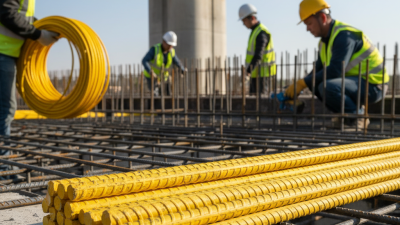
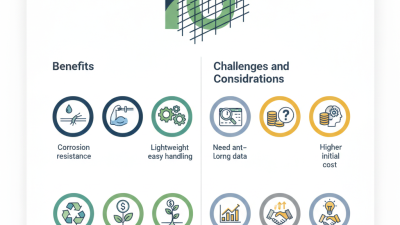
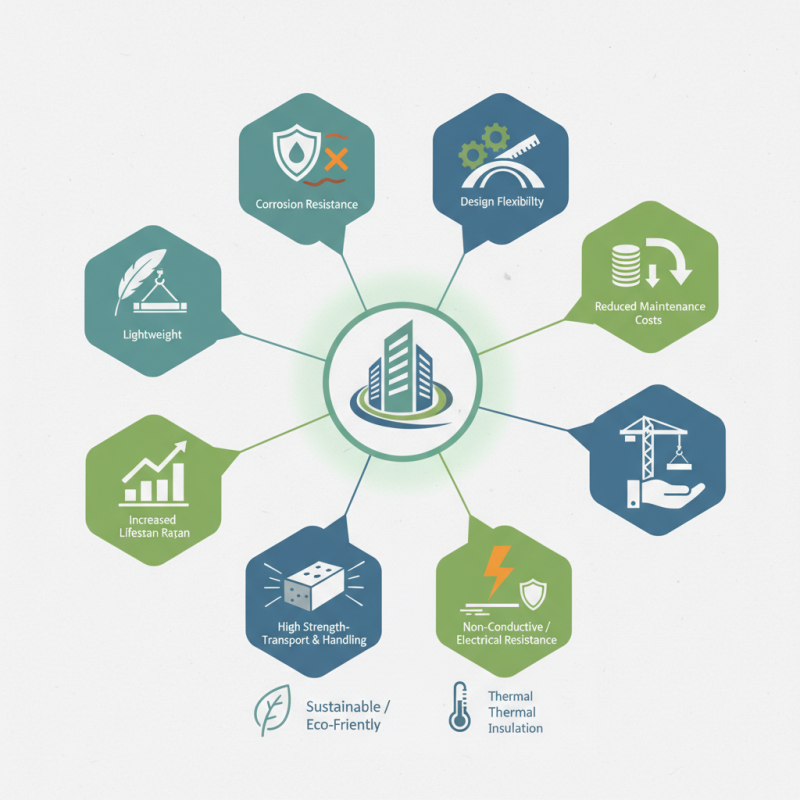
One key benefit is its remarkable resistance to corrosion. Unlike steel, Gfrp does not rust when exposed to harsh environmental conditions. This feature significantly prolongs the lifespan of structures and reduces maintenance costs. Furthermore, its lightweight nature simplifies transportation and handling on construction sites.
Another advantage is the increased design flexibility it provides. Architects and engineers can create innovative structures that were once impractical. However, reliance on Gfrp also requires careful consideration of factors such as cost and availability. While it offers numerous benefits, being open to potential drawbacks ensures a balanced approach in its application.
Introduction to GFRP Rebar: Definition and Composition
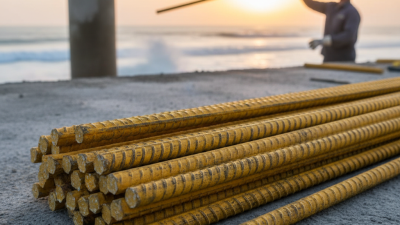
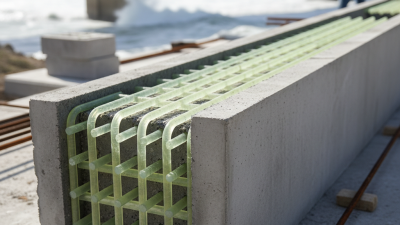
GFRP rebar, or Glass Fiber Reinforced Polymer rebar, is a composite material widely used in construction. Its primary composition involves strands of glass fibers embedded in a polymer matrix. This unique combination offers remarkable strength and lightweight properties. GFRP is non-corrosive, making it ideal for structures exposed to harsh environments.
In contrast to traditional steel rebar, GFRP exhibits lower thermal conductivity. This can be both an advantage and a drawback depending on the project's needs. It's essential to assess how GFRP will perform with temperature changes. The flexibility of GFRP also allows for easy installation, yet its handling requires care. Bending or excessive force can damage the rebar, leading to potential issues in structural integrity.
While GFRP is a promising material, it’s important to recognize its limitations. For example, it’s usually more expensive than steel. Budget constraints might affect material choices. Moreover, GFRP's stiffness is different from that of steel, which could impact the overall design. Engineers must consider these factors to ensure successful implementation.
Advantages of GFRP Rebar Over Traditional Steel Rebar
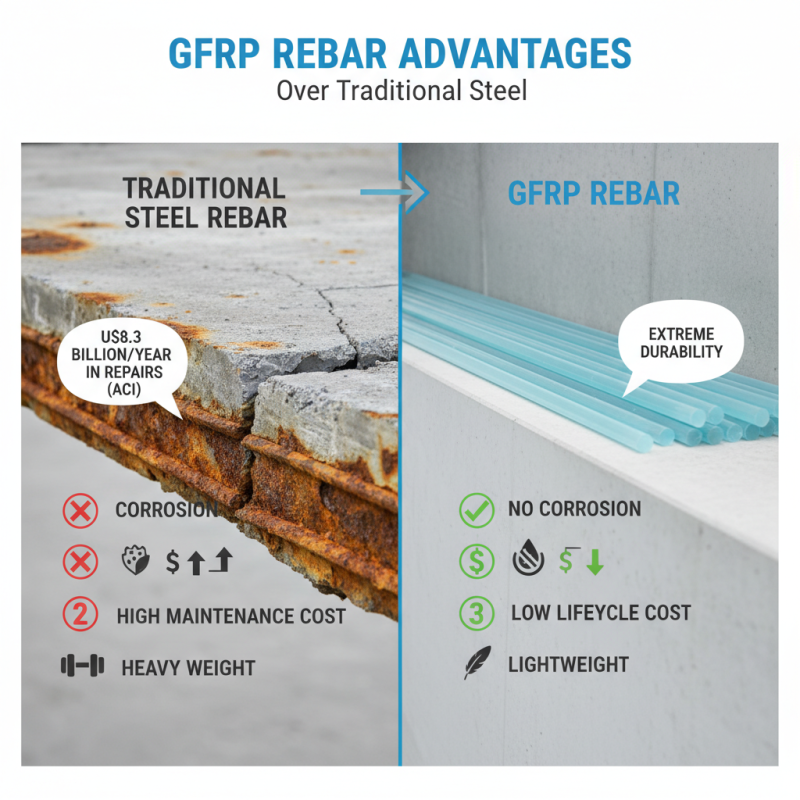
GFRP rebar, made from glass fiber reinforced polymers, presents several advantages over traditional steel rebar. One significant benefit is its high corrosion resistance. According to a report from the American Concrete Institute, corrosion-related repairs cost the U.S. construction industry approximately $8.3 billion annually. GFRP’s durability can significantly reduce these costs over time.
Additionally, GFRP rebar is lighter than steel. This property makes transportation and installation easier. Construction teams can save time and labor costs, leading to more efficient project timelines. Studies show that using GFRP rebar can reduce overall project costs by 10% to 15% in certain applications.
Tips: When selecting materials, consider the environmental impact. GFRP is often more sustainable than reinforced steel. Also, think about long-term maintenance. The lack of corrosion means lower upkeep expenses.
However, it's essential to recognize limitations. GFRP has a lower tensile strength than steel, which may affect specific applications. Engineers must evaluate the structural requirements carefully. A balanced approach is essential when integrating GFRP into construction projects. Proper assessment and thoughtful design can help mitigate potential drawbacks and leverage its benefits.
Durability and Corrosion Resistance of GFRP Materials
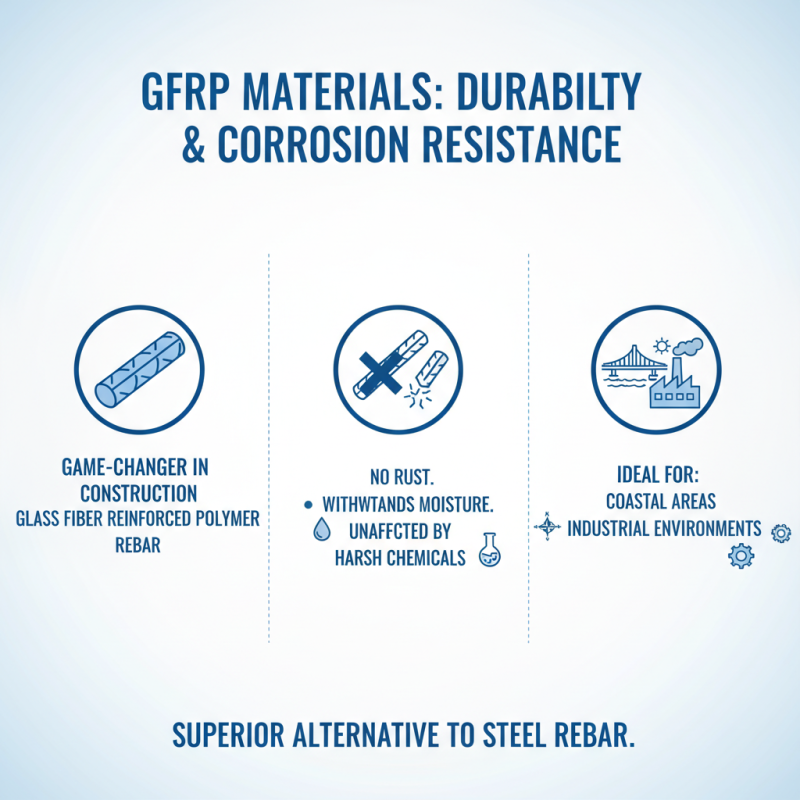
Glass Fiber Reinforced Polymer (GFRP) rebar has become a game-changer in construction. One of its standout features is durability. Unlike traditional steel rebar, GFRP is not susceptible to rust. It withstands moisture and harsh chemicals effectively. This makes it ideal for structures in coastal areas or those exposed to industrial environments.
Corrosion resistance is a significant advantage. In many cases, steel rebar deteriorates over time, leading to costly repairs. GFRP does not corrode, ensuring the longevity of structures. This can lead to reduced maintenance costs over the lifespan of a building. Yet, some might argue that GFRP lacks strength compared to steel. It’s crucial to evaluate load-bearing requirements before choosing materials for critical structures.
Real-world applications highlight these benefits. Bridges and parking garages have experienced less wear with GFRP. However, the initial costs can be higher than steel. Decision-makers sometimes hesitate to invest upfront. The benefits of GFRP become evident, but initial doubts linger. It's a material that demands careful consideration but promises excellent performance in the long run.
Applications of GFRP Rebar in Modern Construction Projects
GFRP (Glass Fiber Reinforced Polymer) rebar has gained traction in modern construction projects. Its lightweight nature and high tensile strength make it suitable for various applications. For instance, bridges, parking garages, and seawalls are increasingly using GFRP rebar. According to a recent industry report, the global GFRP market is projected to reach $6.5 billion by 2027, reflecting its growing acceptance.
In coastal areas, GFRP rebar offers resistance to corrosion. This is particularly important where traditional steel rebar often fails due to moisture and salt exposure. Some projects that incorporate GFRP have reported a lifespan extension of over 50%. However, the initial costs can be higher than conventional materials. Decision-makers are still evaluating the long-term benefits.
Not all applications are straightforward. Certain construction teams lack the expertise to work with GFRP, leading to potential pitfalls. While the material's benefits are clear, some projects have faced delays due to insufficient training. Future construction might see better integration as the industry adapts to new materials. There is still much to learn and refine in this evolving field.
Top 10 Benefits of GFRP Rebar in Construction
Environmental Benefits of Using GFRP Rebar in Building Materials
The use of GFRP (Glass Fiber Reinforced Polymer) rebar in construction offers significant environmental benefits. This material is lighter than traditional steel, reducing the energy needed for transportation. It also minimizes carbon emissions during its lifecycle. GFRP rebar does not rust, which leads to less maintenance over time. This durability means structures can last longer, reducing waste generated by repairs.
Additionally, GFRP rebar is made from sustainable materials. The production process can use recycled glass fibers, which lessens resource depletion. This shift towards eco-friendly materials is crucial in today’s construction industry. However, the production of GFRP rebar itself can be energy-intensive and may release pollutants. Industry professionals must find ways to improve this.
Furthermore, using GFRP rebar in building materials helps combat issues like corrosion in hostile environments, such as coastal areas. This capability enables safer, longer-lasting structures. Still, the initial cost may be higher. It’s important to consider the long-term savings on maintenance and environmental impact. Balancing these factors is essential for making informed choices in future projects.
Top 10 Benefits of GFRP Rebar Glass Fiber Material for Construction
| Benefit |
Description |
Environmental Impact |
| Lightweight |
GFRP rebar is significantly lighter than steel, simplifying transportation and installation. |
Reduced fuel consumption for transportation helps lower carbon emissions. |
| Corrosion Resistance |
GFRP does not rust or corrode, ensuring longer lifespan of structures. |
Less material waste due to deterioration, promoting sustainability. |
| High Tensile Strength |
GFRP rebar exhibits high tensile strength, enabling thinner structures. |
Reduced material use directly contributes to lower environmental impact. |
| Non-Magnetic |
GFRP is non-magnetic, ideal for sensitive facilities like hospitals. |
Facilitates construction in critical environments, enhancing overall safety. |
| Thermal Insulation |
GFRP provides better thermal insulation compared to steel. |
Effective thermal management reduces energy consumption in buildings. |
| Chemical Resistance |
Withstands various chemicals, enhancing durability in harsh environments. |
Reduces need for toxic chemical treatments, promoting eco-friendliness. |
| Extensive Design Flexibility |
Easily molded into various shapes and sizes for diverse applications. |
Encourages innovative design solutions in sustainable construction. |
| Longevity |
Extended lifespan leads to fewer renovations and repairs. |
Less frequent repairs contribute to a lower environmental footprint. |
| Reduced Life Cycle Cost |
Lower maintenance and longer life reduce the overall cost of construction. |
Economic efficiency leads to sustainable development practices. |