Top 10 Applications of Glass Fiber Reinforced Polymer in Modern Engineering?
Glass Fiber Reinforced Polymer (GFRP) has rapidly gained attention in modern engineering. This composite material combines glass fibers with polymer for enhanced strength and durability. Its lightweight nature makes GFRP ideal for various applications, especially where weight reduction is crucial.
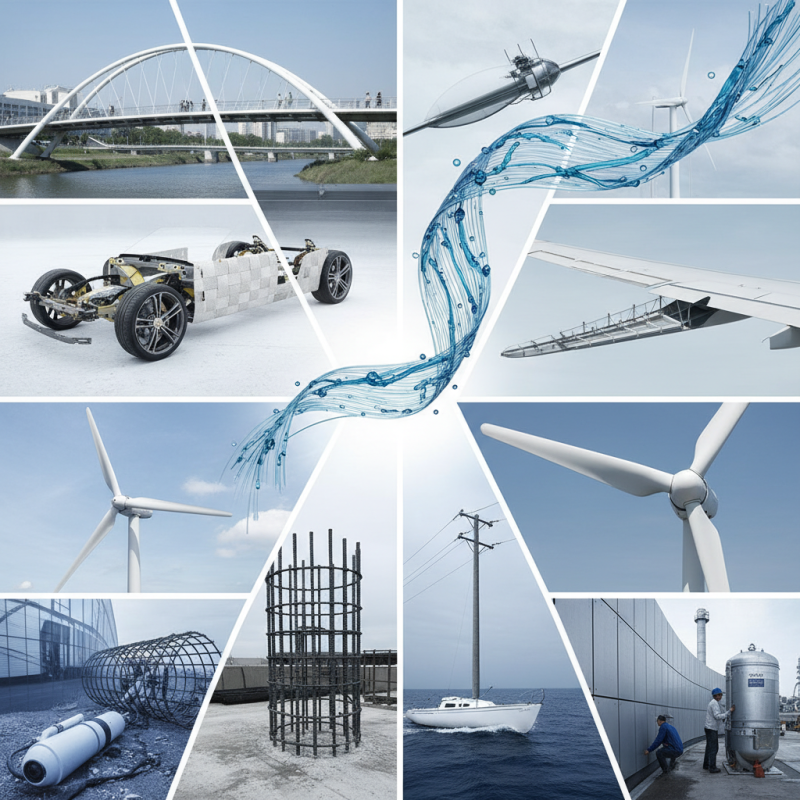
In construction, GFRP can be found in bridges and beams, providing structural support without the bulk of traditional materials. It is also used in automotive components, improving fuel efficiency with reduced weight. Furthermore, the aerospace industry benefits from GFRP, enhancing performance while lowering overall aircraft weights.
Despite its advantages, GFRP is not without challenges. The manufacturing process can be expensive, and recycling GFRP remains a concern. Engineers must address these issues as they explore innovative applications. Overall, GFRP is a promising material that significantly impacts modern engineering.
Applications in Civil Engineering: Enhancing Structural Integrity
Glass Fiber Reinforced Polymer (GFRP) is changing civil engineering. Its lightweight nature and high strength make it popular in various applications. A report from the American Concrete Institute found that using GFRP can increase structural integrity by up to 70% when compared to traditional materials. This has led to many projects choosing GFRP for improving building safety and durability.
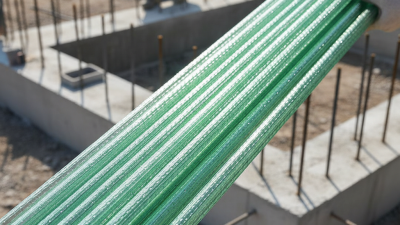
Specific applications include bridges, where GFRP is used for reinforcement. Its resistance to corrosion outlasts conventional steel. Additionally, in seismic design, GFRP helps absorb energy, providing buildings with the flexibility needed during earthquakes. The International Journal of Composite Materials highlights that structures using GFRP can reduce maintenance costs by at least 40%, substantially benefiting project budgets.
However, challenges remain. The initial costs of GFRP are often higher. Designers may hesitate due to a lack of familiarity with its properties. This uncertainty can delay project timelines. As engineers continue to explore GFRP, there is a strong need for more comprehensive guidelines. Standardizing testing methods can help address this gap and ultimately foster broader acceptance of GFRP in modern engineering.
Usage in Aerospace Engineering: Reducing Weight and Improving Performance
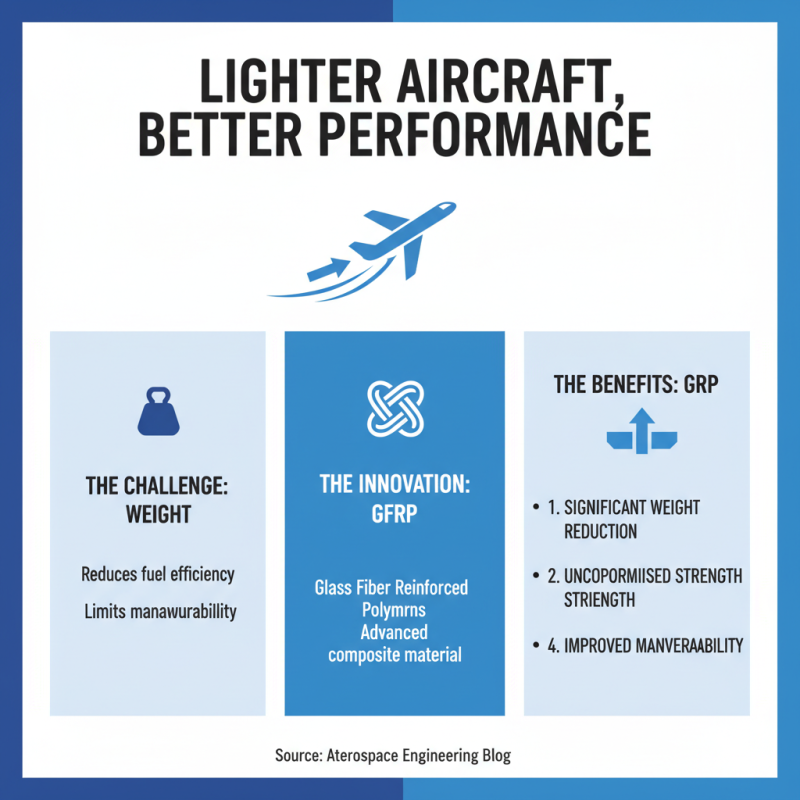
In aerospace engineering, weight plays a critical role in performance. Glass fiber reinforced polymers (GFRP) have emerged as an innovative solution. These materials significantly reduce the overall weight of aircraft without compromising structural integrity. Lighter aircraft can lead to greater fuel efficiency and enhanced maneuverability.
GFRP structures can withstand high stress and resist corrosion. This durability also contributes to longer service life, affecting overall lifecycle costs. However, the use of these materials is not without challenges. Manufacturing processes can be complex and require careful consideration to avoid defects. Consistency in production is key, yet this can sometimes be difficult to achieve.
Another area for improvement lies in recycling. While GFRP is versatile, its disposal poses environmental concerns. Current methods of recycling these materials are limited. Innovating sustainable solutions in this regard is essential for future advancements. Aerospace engineers must balance lightweight benefits with environmental responsibilities. This reflects the ongoing need for innovation in materials science and engineering practices.
Integration in Automotive Industry: Fuel Efficiency and Safety Benefits
The automotive industry is rapidly evolving. Glass fiber reinforced polymers (GFRP) are gaining popularity due to their unique characteristics. They help reduce vehicle weight significantly. Research shows that weight reduction of just 10% can improve fuel efficiency by about 5-7%. This is crucial as fuel prices rise and environmental concerns grow.
Safety is another vital aspect. GFRP can absorb and dissipate energy effectively, making vehicles safer during collisions. According to a study by the National Highway Traffic Safety Administration, lightweight materials can lead to a 30% reduction in fatality rates in car accidents. However, integrating GFRP isn't without challenges. The production process can be more expensive compared to traditional materials. Additionally, recycling GFRP remains an area that needs further innovation.
Automakers must balance these factors. The material shows great potential but also presents hurdles. Evaluating long-term benefits versus initial costs is essential. As companies continue to develop and innovate, GFRP may become a mainstay in automotive design. Its role in sustainability and safety could redefine modern engineering standards.
Top 10 Applications of Glass Fiber Reinforced Polymer in Modern Engineering
| Application |
Primary Benefit |
Impact on Fuel Efficiency |
Safety Advantages |
| Car Body Components |
Lightweight structure |
Improves fuel economy by reducing weight |
Enhanced crash resistance |
| Roof Panels |
Aerodynamic efficiency |
Reduces drag, enhancing mileage |
Improved structural integrity |
| Dashboard and Interior Components |
Versatile design options |
Potential reduction in overall vehicle weight |
Enhanced protection in frontal collisions |
| Bumpers |
Impact resistance |
Minimizes fuel consumption during low-speed collisions |
Reduces injury risk during accidents |
| Chassis and Structural Supports |
Increased durability |
Enhances overall vehicle efficiency |
Provides better crash safety ratings |
| Exhaust Components |
Corrosion resistance |
Maintains performance in extreme conditions |
Minimizes risk of component failure |
| Battery Casings for Electric Vehicles |
Thermal insulation |
Optimizes energy consumption |
Improved safety in thermal events |
| Windshields & Windows |
Visibility and strength |
Aerodynamic improvement |
Shatter resistance |
| Spoilers and Aerodynamic Accessories |
Enhanced downforce |
Increases fuel efficiency at high speeds |
Stability during accidents |
Role in Marine Engineering: Corrosion Resistance in Harsh Environments
Marine engineering often faces extreme conditions. Corrosion is a significant challenge in such environments. Glass fiber reinforced polymer (GFRP) offers a solution. This composite material shows remarkable resistance to saltwater and humidity. Structures made with GFRP endure longer in the sea. They also require less maintenance compared to traditional materials.
GFRP is lightweight yet strong. This combination is crucial for marine applications. Boats, docks, and piers benefit from its use. Engineers can design more efficient structures. However, there is still room for improvement. The manufacturing process needs to be more sustainable. Reducing waste remains a priority in development.
Utilizing GFRP also involves some challenges. Not all GFRP types are equally effective. Variability in quality can impact performance. Testing and standardization are essential for reliability. End-users must stay informed about the best practices. Combining technology and expertise can foster growth in this field.
Application of Glass Fiber Reinforced Polymer in Marine Engineering
Advancements in Renewable Energy: Wind Turbine Blades and Solar Panels
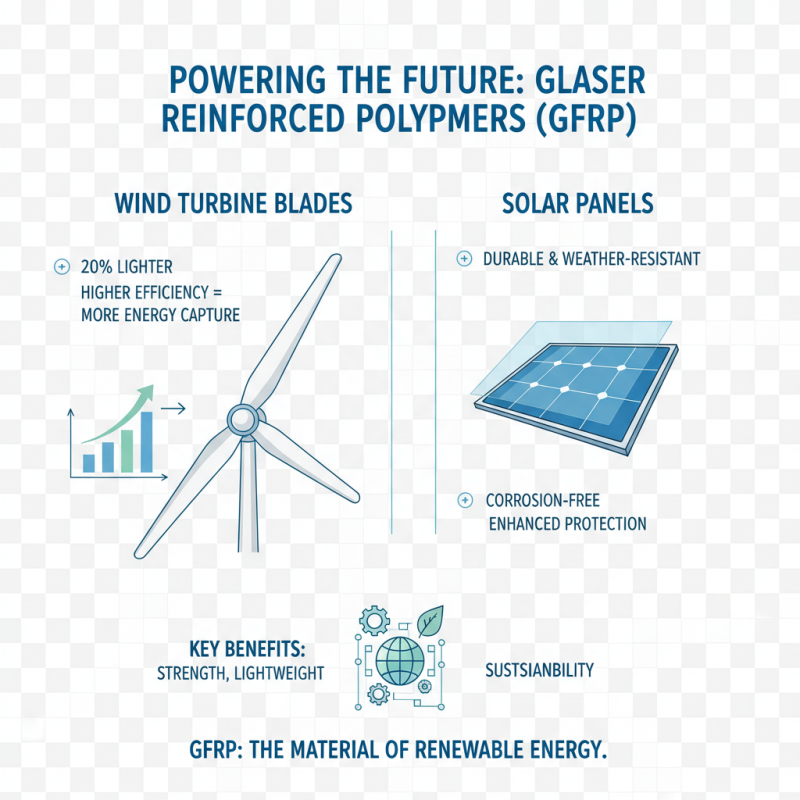
The advancements in renewable energy, particularly in wind turbine blades and solar panels, showcase the power of glass fiber reinforced polymers (GFRP). Wind turbines, crucial for harvesting wind energy, utilize GFRP for their blades due to its lightweight and high strength. Reports suggest that GFRP blades can weigh up to 20% less than traditional materials, improving efficiency and performance. This weight reduction allows for longer blades, which can capture more wind and generate greater energy.
Solar panels also benefit from GFRP. The polymer enhances durability while remaining lightweight, leading to easier installation. According to industry data, GFRP can extend the lifespan of solar panels by reducing the risk of physical damage. However, while GFRP provides many advantages, it is essential to consider the environmental impact of its production. The sustainability of GFRP materials remains a topic for ongoing research and improvement.
Tip: When choosing materials for renewable energy projects, consider the long-term effects, not just the initial benefits.
The integration of GFRP into renewable energy systems presents both opportunities and challenges. While it offers efficiency and resilience, recycling and disposal methods for GFRP need more exploration. Understanding these factors is crucial for moving toward a more sustainable future.
Tip: Always evaluate the lifecycle of materials. Their impact goes beyond just production.