Top 5 Tips for Choosing Fiberglass Floor Grating?
Choosing the right fiberglass floor grating can significantly impact your project. According to Dr. Maria Larson, a leading expert in composite materials, “Quality and durability are key factors in fiberglass floor grating selection.” This advice emphasizes the importance of making informed decisions.
Fiberglass floor grating offers many advantages, such as resistance to corrosion and ease of maintenance. However, not all products are created equal. Some may lack sufficient strength or UV resistance, which can lead to premature failure. It's essential to assess the specific requirements of your application to ensure you choose the most suitable option.
Consider factors like load capacity and environmental conditions. A common oversight is underestimating the impact of heavy foot traffic or harsh chemicals. Seek guidance from professionals in the industry, and remember that quality often comes at a higher price. In the end, investing in the right fiberglass floor grating can save money and headaches down the road, allowing you to focus on what truly matters.
Understanding the Benefits of Fiberglass Floor Grating
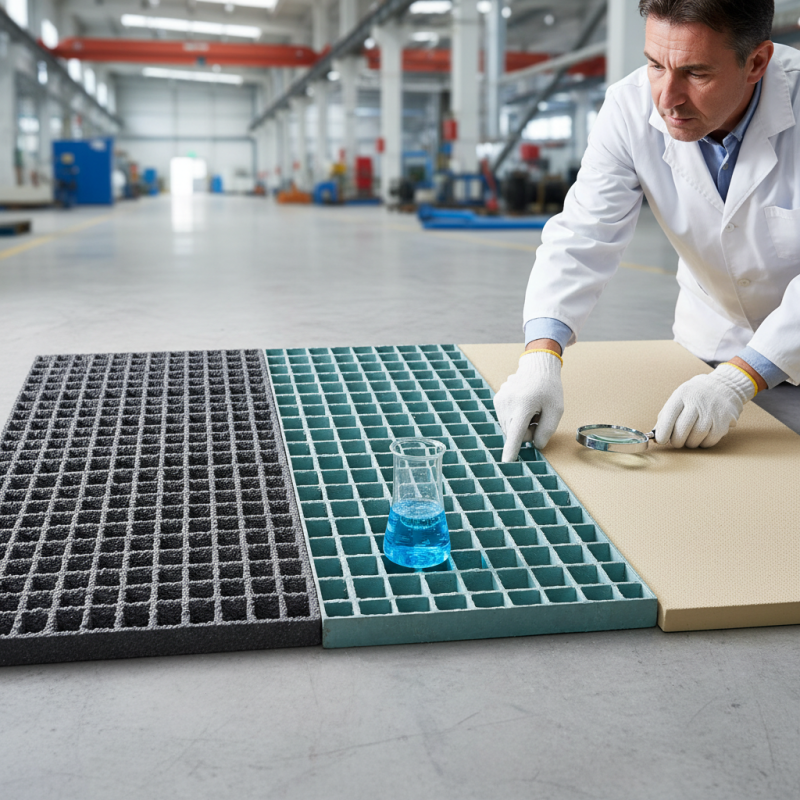
Fiberglass floor grating offers numerous benefits that make it a valuable choice for various applications. This lightweight material is known for its durability and resistance to corrosion. Studies show that fiberglass grating can last up to three times longer than traditional steel alternatives in harsh environments. This longevity is crucial for industries like chemical processing or wastewater treatment.
Another significant advantage is safety. Fiberglass floor grating often features slip-resistant surfaces, which enhance workplace safety. According to safety reports, slip and fall incidents contribute to over 30% of workplace injuries. Choosing a grating with proper slip resistance can help reduce these risks. Additionally, the open design allows for excellent drainage, minimizing hazards during wet conditions.
When selecting fiberglass grating, it’s essential to consider the specific environment and load requirements. Not every type of grating suits every application. Some projects may need additional load capacity or specific chemical resistance. A careful evaluation is necessary to ensure that the chosen product meets safety and performance standards. This attention to detail can significantly impact long-term satisfaction and functionality.
Evaluating Load Capacity and Strength Requirements
When selecting fiberglass floor grating, evaluating load capacity and strength is crucial. Begin by understanding the specific load your grating needs to support. Different applications, from industrial to commercial settings, have varying requirements. Over time, loads can change, so consider future needs as well. Rely on technical specifications to make informed decisions.
Next, assess the material's structural integrity. Fiberglass is lightweight yet incredibly strong. Ensure that the chosen grating can endure harsh conditions. Look at factors like chemical exposure, temperature changes, and foot traffic. An underperforming grating can lead to safety hazards, which is a serious concern in any workspace.
Remember, load capacity isn’t just about numbers. Real-world scenarios can differ. Test the grating under actual conditions whenever possible. Also, consult with professionals to verify your choices. They can provide insights that might otherwise be overlooked. The durability and stability of fiberglass grating play a significant role in its performance. Don’t rush this decision, as the right choice impacts safety and efficiency.
Assessing Chemical and Corrosion Resistance Properties
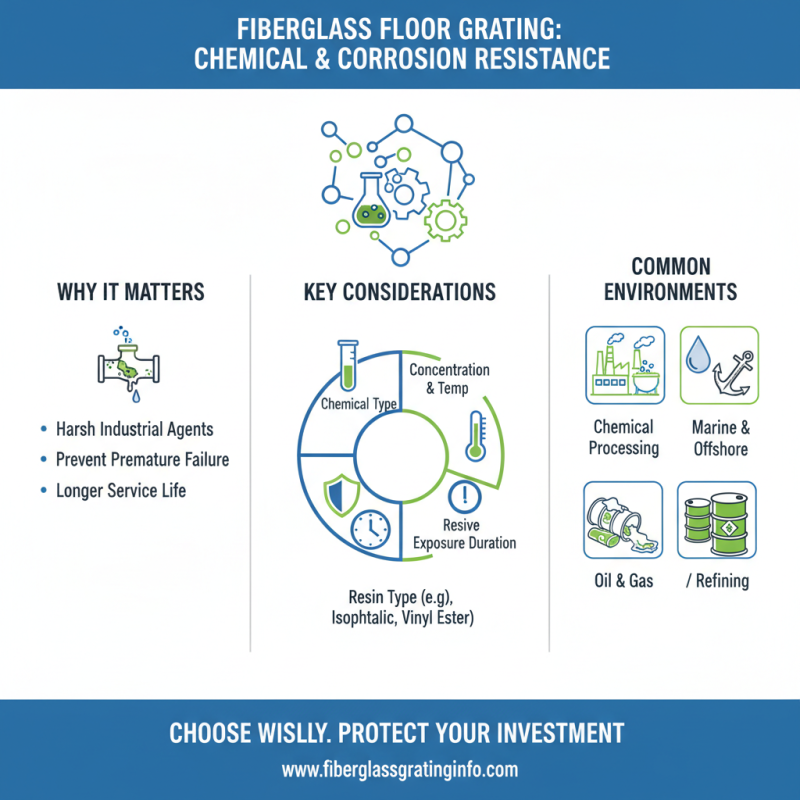
When choosing fiberglass floor grating, assessing chemical and corrosion resistance is crucial. Various environments expose grating to different chemicals. For example, industrial settings often include harsh agents. Understanding how these chemicals interact with fiberglass can prevent premature failure.
Different formulations of fiberglass offer varying resistance levels. Some may excel in acidic environments, while others might hold up better against alkaline substances. Knowing what the grating will face helps in making the right choice. It’s essential to examine test data and specifications when available. However, sometimes this information can be vague or incomplete.
Consider the installation environment too. Factors like temperature, humidity, and mechanical stress can impact performance. It’s worth noting that even high-quality materials can succumb to unexpected failures. Regularly inspecting the grating after installation can help catch any signs of damage. An increased awareness of these variables can guide better decision-making.
Considering Slip Resistance and Safety Features
When choosing fiberglass floor grating, slip resistance is vital. A recent industry report indicated that slips and falls account for about 28% of workplace injuries. This alarming statistic highlights the importance of selecting grating with appropriate slip resistance ratings. Look for grating that meets or exceeds the standards set by organizations such as the American National Standards Institute. These standards ensure that the surfaces provide adequate friction, especially in wet or oily environments.
Safety features are equally important. Consider options that include corrosion resistance and UV stability. Fiberglass grating often performs better in harsh conditions, but not all products are created equal. For example, research shows that some types of fiberglass degrade faster under sunlight exposure. This deterioration can lead to reduced slip resistance over time. Therefore, it's crucial to select grating designed to withstand environmental stressors effectively.
Installation is another area worth reflecting on. A poorly installed grating system can compromise safety, regardless of the product's quality. Regular maintenance is essential to monitor wear and ensure continued slip resistance. Evaluate the installation and maintenance requirements before making your final decision. Such proactive approaches can help prevent potential hazards and enhance overall safety in your facility.
Top 5 Tips for Choosing Fiberglass Floor Grating
Analyzing Installation and Maintenance Factors
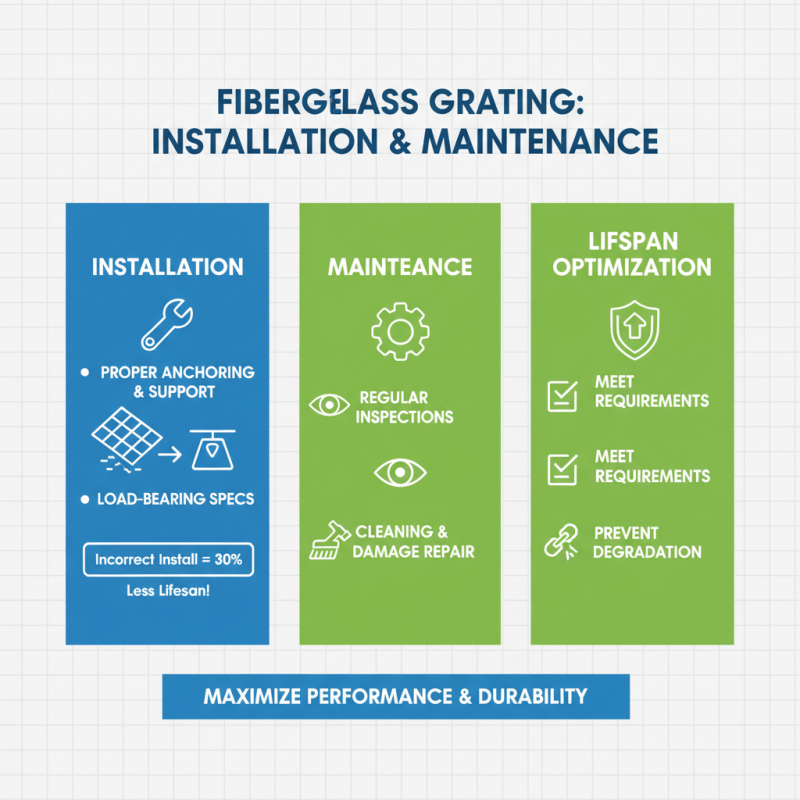
When selecting fiberglass floor grating, installation and maintenance are crucial factors. According to industry reports, improper installation can reduce the lifespan of grating systems by up to 30%. Ensure your grating fits the required specifications for load-bearing. Miscalculated load can lead to early degradation. Pay attention to the anchoring and support structure during installation.
Maintenance is often overlooked. Regular inspections can catch issues early. The American Society of Civil Engineers recommends biannual checks for any signs of wear. Cracks or damages can compromise safety. Cleaning is straightforward, yet many neglect it. A simple wash with warm water can extend the life of your grating. Dust and debris build-up can accelerate wear.
However, maintenance and installation require resources and time. Not all facilities have the manpower for regular checks. This leads to unexpected failures. Understand that while fiberglass grating can last years, neglect shortens its lifespan. Balancing costs with adequate maintenance is essential. Evaluating your operational capacity is vital in making informed decisions.