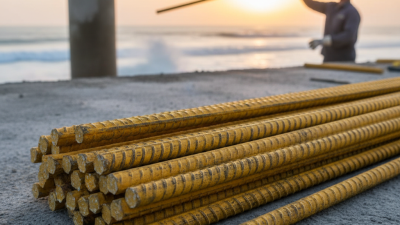
What is Reinforcement Steel Rebar and How is it Used?
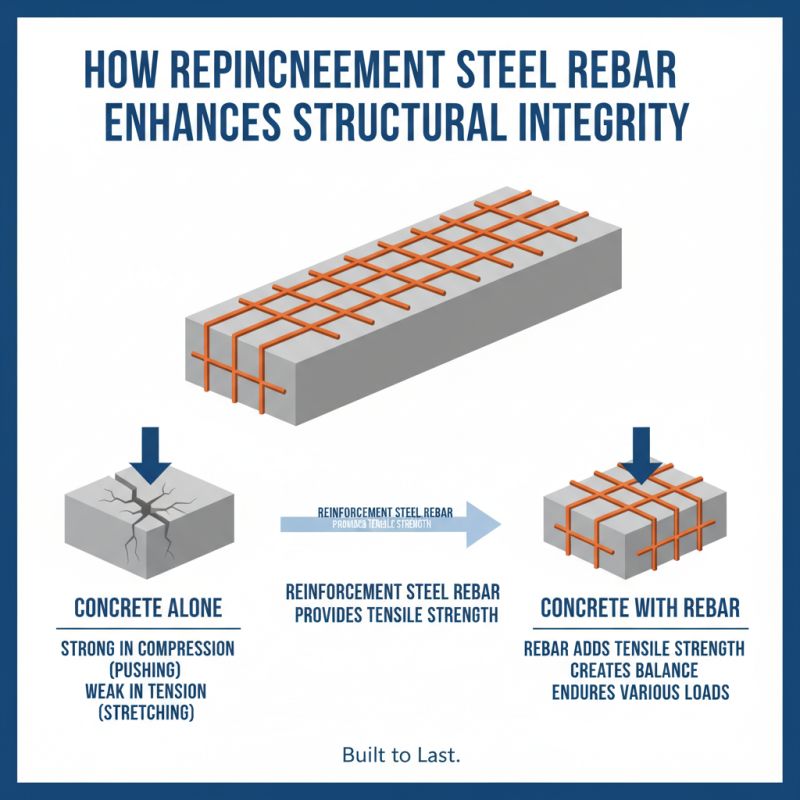
Reinforcement Steel Rebar plays a crucial role in construction projects. It is used to improve the tensile strength of concrete structures. Concrete is strong in compression but weak in tension. Therefore, Reinforcement Steel Rebar is essential for building durability.
This steel bar comes in various shapes and sizes. It can be found in residential buildings, bridges, and highways. Proper installation of Rebar is vital. Misalignment can weaken the overall structure. The quality of the steel and its corrosion resistance also matter. Poor-quality rebar can lead to significant problems over time.
Understanding Reinforcement Steel Rebar is important for engineers and contractors. It ensures safety and longevity in construction. By using the right type and amount of Rebar, the risk of structural failure reduces. Each project requires careful planning and execution. Mistakes in this area can have serious consequences.
What is Reinforcement Steel Rebar?
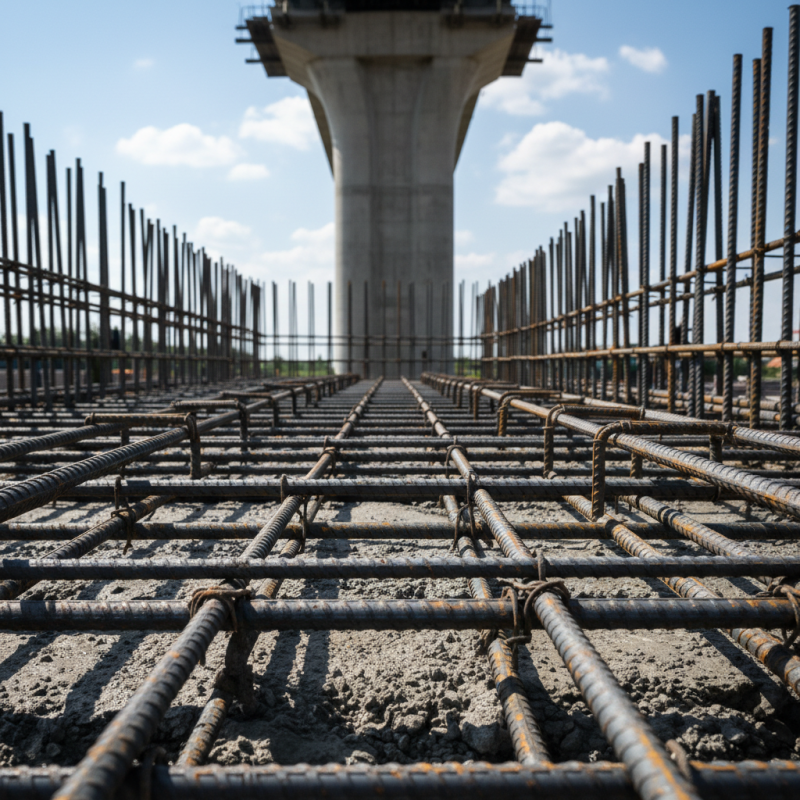
Reinforcement steel rebar, often simply called rebar, is crucial in construction. It is a steel bar or mesh designed to reinforce concrete structures. This material improves the tensile strength of concrete, which is naturally weak under tensile stress. Without rebar, concrete structures may crack or collapse under heavy loads.
Engineers often specify rebar sizes and grades for different applications. Common diameters range from 10mm to 40mm. The placement of rebar in concrete ensures that it can bear various forces. For instance, it’s essential in beams, slabs, and columns. Proper installation is vital; poor placement can lead to structural failure. Check when using rebar that it adheres to local building codes.
Quality matters when selecting rebar. Look for thorough inspections and certifications to ensure reliability. However, mistakes can occur, such as improper bending that weakens the structure. Builders need to be vigilant about these details. Reinforcement steel rebar is a fundamental element in construction, supporting advanced designs and safety. Each project demands careful consideration of how rebar is used to maintain integrity.
Reinforcement Steel Rebar Usage Statistics
The Historical Development of Steel Rebar in Construction
The use of steel rebar in construction dates back to the mid-19th century. The first notable application was in the building of the Parisian structures, where iron bars were embedded into concrete to enhance strength. This innovation marked a significant shift in construction practices. According to the World Steel Association, global rebar production reached approximately 160 million tons in 2020, showcasing its critical role in the industry.
Throughout the years, various manufacturing techniques have improved rebar's durability and performance. The introduction of different coatings and grades has increased resistance to corrosion. Reports indicate that using epoxy-coated rebar significantly extends the lifespan of structures in harsh environments. Despite advancements, challenges remain, such as inconsistent quality across different regions, which sometimes leads to structural weaknesses.
Experts continue to emphasize the need for standardization in production to ensure reliability. The varying specifications can sometimes lead to misunderstandings in construction. Projects formerly faced significant delays due to the mismatch of rebar quality and design needs. Addressing these inconsistencies is essential for the future of reinforced concrete structures.
Types of Reinforcement Steel Rebar and Their Applications
Reinforcement steel rebar comes in various types, each serving specific purposes in construction. The most common types include hot-rolled, cold-rolled, and epoxy-coated rebar. Hot-rolled rebar is known for its high tensile strength. It is ideal for large-scale projects such as highways and bridges. Cold-rolled rebar is often used in applications requiring more flexibility. It is easier to shape, making it suitable for intricate designs.
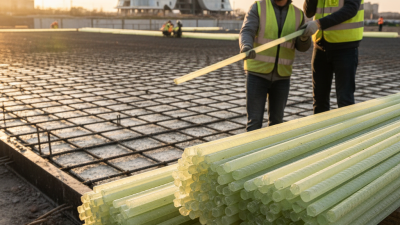
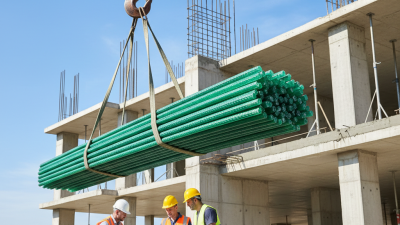
Epoxy-coated rebar provides an excellent solution in corrosive environments. It protects steel from rust, especially in coastal areas. Using this type of rebar enhances the longevity of structures exposed to moisture. Fiber-reinforced polymer (FRP) rebar is another innovative choice. It is lightweight and non-corrosive, making it ideal for repair projects. However, its high cost might be a drawback for some.
Selecting the right type of rebar is crucial. Builders must consider environmental factors and structural requirements. Misjudgment in rebar choice can lead to costly repairs later. It's essential to weigh the benefits against the costs carefully. A thorough understanding of these types ensures durability and safety in construction projects.
What is Reinforcement Steel Rebar and How is it Used? - Types of Reinforcement Steel Rebar and Their Applications
| Type of Rebar |
Material |
Diameter (mm) |
Yield Strength (MPa) |
Common Applications |
| Deformed Rebar |
Steel |
12, 16, 20, 25 |
400-600 |
Concrete reinforcement, beams, slabs |
| Epoxy-Coated Rebar |
Steel with epoxy coating |
10, 15, 20 |
350-500 |
Corrosive environments, bridges, docks |
| Stainless Steel Rebar |
Stainless steel |
10, 12, 16 |
500-700 |
Highly corrosive areas, architectural applications |
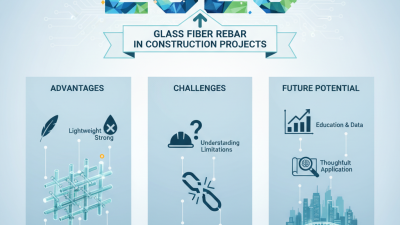
| Glass Fiber-Reinforced Polymer Rebar |
Composite material |
8, 10, 12 |
600-800 |
Non-corrosive applications, waterfront structures |
How Reinforcement Steel Rebar Enhances Structural Integrity
Reinforcement steel rebar plays a crucial role in construction. It enhances structural integrity by providing tensile strength to concrete. Concrete is strong under compression but weak when stretched. By incorporating rebar, builders create a balance that allows structures to endure various loads.
The use of rebar can prevent catastrophic failures. For instance, in areas prone to earthquakes, rebar reinforces walls and foundations. It helps structures absorb and distribute forces. This prevents cracks and collapses, ensuring safety for occupants. However, not all reinforcements are executed perfectly. Poor placement or substandard materials can lead to vulnerabilities.
Maintenance also matters. Regular inspections help identify rust and corrosion in rebar. These issues can compromise structural integrity over time. Ignoring them can lead to costly repairs. In contrast, investing in quality rebar systems pays off in the long run. Thoughtful application and routine upkeep ensure that structures remain safe and reliable for years to come.
Best Practices for Installing and Maintaining Steel Rebar
When installing steel rebar, proper techniques are essential. The placement must be precise. Ensure rebar is cut accurately. Use the right diameter for the project. Overlapping bars can strengthen the structure but should meet specifications. It's vital to secure the rebar with ties. Using steel wire ties can help maintain the form during pouring concrete.
Regular maintenance checks are necessary after installation. Look for signs of corrosion or rust. Steel rebar must be protected from moisture and chemicals. Adding a protective coating can extend its lifespan. If you notice any damage, addressing it early can prevent larger issues. Reinforcement steel is critical for structural integrity, but neglect can lead to failures.
In some projects, the environment poses challenges. Weather variations can affect placement and curing. Documenting the installation process may help identify problems later. Learning from past experiences can inform better practices. Improvement comes from understanding both successes and failures in rebar installation.