How to Choose High Property GFRP Rebar for Your Projects?
High Property GFRP Rebar is gaining traction in construction projects. Recent studies indicate that GFRP (Glass Fiber Reinforced Polymer) rebars can be up to 75% lighter than conventional steel rebar. This significant weight reduction can lead to lower transportation and labor costs, making it attractive for project managers.
Moreover, GFRP rebars exhibit superior resistance to corrosion. A report from the American Concrete Institute (ACI) suggests that the lifespan of GFRP rebar can exceed 100 years under certain conditions, compared to about 50 years for steel. This longevity reduces maintenance expenses over time, enhancing overall project sustainability.
Choosing High Property GFRP Rebar is not without challenges. Not all GFRP products on the market meet high performance standards. Some manufacturers may offer low-cost options, but they often compromise strength and durability. Projects should prioritize quality materials to avoid future dilemmas. Ensuring compliance with applicable standards and specifications can further safeguard investment.
Understanding GFRP Rebar and Its Applications in Construction
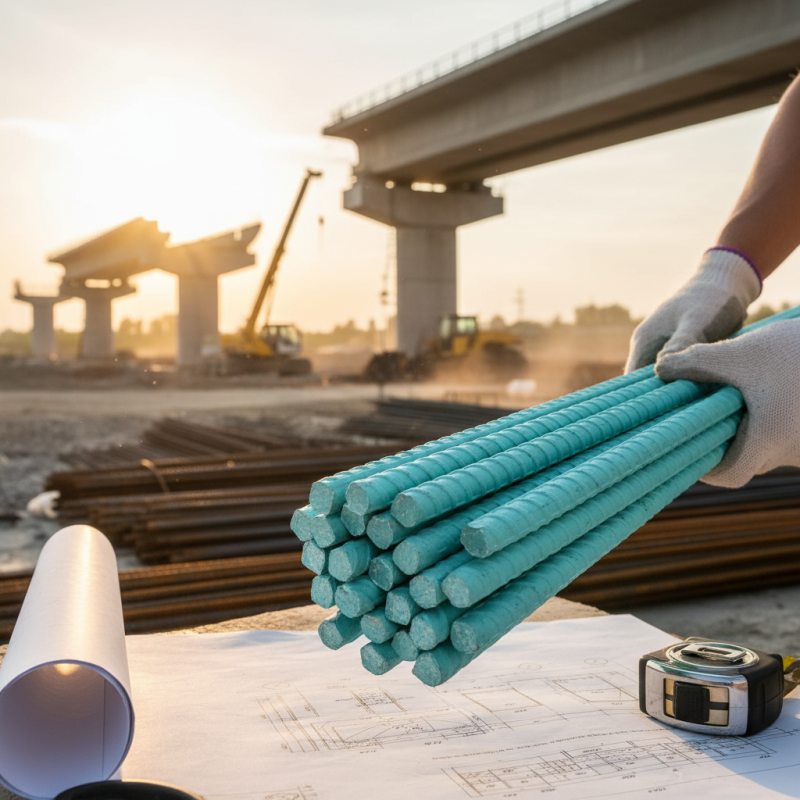
GFRP (Glass Fiber Reinforced Polymer) rebar is revolutionizing the construction industry. Its lightweight properties make it easier to handle. Unlike traditional steel, GFRP isn’t susceptible to corrosion. This can lead to longer lifespans for structures. Many engineers are recognizing its value but also facing challenges in application.
Understanding GFRP rebar requires familiarity with its unique qualities. It’s strong and durable, yet flexible in design. These characteristics allow for innovative construction methods. However, the material can be more expensive upfront. Some projects may struggle with budgeting. Not all applications suit GFRP. Assessing whether to use it requires careful consideration.
Many builders are still learning about GFRP rebar. Training and education can help. There is a need for research on long-term performance. Feedback from projects using GFRP is crucial. This gives insights into potential pitfalls. Construction is always evolving. The adoption of new materials carries risks and rewards. Balancing these is essential for project success.
Key Properties to Evaluate When Choosing GFRP Rebar
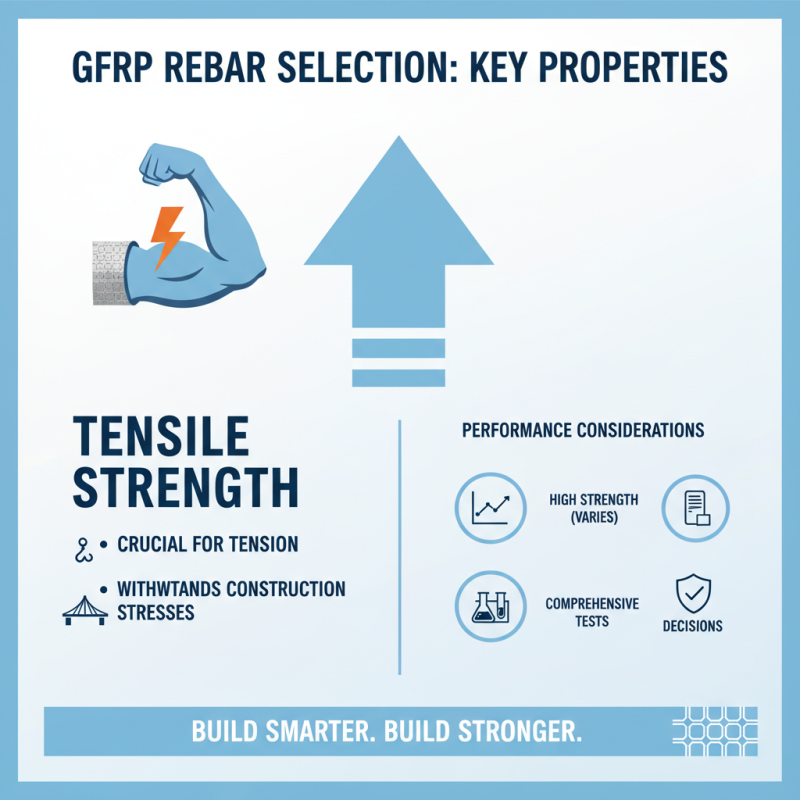
When selecting GFRP rebar, several key properties demand careful evaluation. One crucial aspect is tensile strength. High tensile strength ensures the rebar performs well under tension and can endure the stresses of construction. Generally, GFRP rebar has impressive strength characteristics, but variations exist across different products. Conducting comprehensive tests helps in making informed decisions.
Another essential property is corrosion resistance. GFRP rebar is designed to withstand harsh environments, making it ideal for structures exposed to moisture or chemicals. However, the effectiveness can vary with the resin used. Assessing the material’s resistance to environmental factors is vital for longevity.
Flexural strength also plays a significant role. It determines how well the rebar can resist bending forces without failing. Different applications may require specific flexural capabilities. It's worth noting that while GFRP offers several advantages over traditional materials, understanding its limitations is equally important. Not every project might benefit from GFRP, especially if the structural demands exceed what it can provide.
Comparing GFRP Rebar with Traditional Steel Reinforcement
GFRP rebar offers several advantages over traditional steel reinforcement. Unlike steel, it does not rust, which can extend the lifespan of structures. This can be crucial in coastal areas or places with high moisture levels. GFRP is also lighter, which simplifies transportation and installation. However, it's important to consider its lower tensile strength compared to steel.
When selecting GFRP rebar, pay attention to the specifications. Not all GFRP products are the same. Check for certifications that validate the quality. Sometimes, manufacturers may cut corners. This can result in subpar performance in your project. Always conduct a thorough analysis before making a decision.
Tips: Consider the environmental conditions of your project area. Assess how GFRP will perform under temperature fluctuations. Consult with experts who have experience in both types of rebar. They can offer insights you might overlook. Remember, every project has unique needs, and careful planning is key to success.
How to Choose High Property GFRP Rebar for Your Projects? - Comparing GFRP Rebar with Traditional Steel Reinforcement
| Property |
GFRP Rebar |
Traditional Steel Rebar |
| Weight |
Lightweight (approximately 75% lighter) |
Heavy |
| Corrosion Resistance |
Excellent |
Poor (susceptible to rust) |
| Tensile Strength |
High (up to 700 MPa) |
Moderate (around 400-500 MPa) |
| Thermal Conductivity |
Low |
High |
| Cost |
Higher initial cost |
Lower initial cost |
| Lifespan |
Longer (over 50 years) |
Shorter (10-30 years) |
| Environmental Impact |
Lower (non-corrosive materials) |
Higher (requires significant resources for production) |
Factors Influencing the Cost of GFRP Rebar for Projects
When assessing the cost of GFRP (Glass Fiber Reinforced Polymer) rebar, various factors come into play. One primary aspect is raw material quality. According to industry reports, higher-quality glass fibers can increase durability, yet elevate the overall cost by 15-20%. Projects with stringent performance requirements may find these costs essential. Attention to detail in material specifications is critical.
Manufacturing processes also affect pricing. Advanced techniques, such as pultrusion, yield stronger and lighter bars. However, these methods often drive costs upward, sometimes exceeding 30% compared to standard alternatives. It raises questions about balancing strength and costs. Some projects might opt for less sophisticated methods to save money, which can lead to compromises in performance.
Transportation and logistics shouldn't be overlooked either. GFRP rebar is lighter than steel, yet transporting it requires careful handling. This can add costs, particularly for long-distance projects. Industry analysis shows transportation can impact final pricing by up to 10%. Budgeting effectively means addressing these nuances early in the planning process.
Best Practices for Sourcing and Specifying GFRP Rebar
Sourcing GFRP rebar can be challenging. It is essential to understand the properties of glass fiber reinforced polymer. The rebar is lightweight yet strong. According to industry reports, GFRP rebar is about 75% lighter than traditional steel reinforcement. This feature reduces transportation costs and labor expenses. It also offers corrosion resistance, which is critical for structures in harsh environments.
When specifying GFRP rebar, dimensions and strength are vital. Most projects require rebar with specific tensile strength and modulus of elasticity. Common values for GFRP rebar's tensile strength range from 600 to 900 MPa. Engineers often overlook these exact specifications, leading to underperformance. Proper documentation from manufacturers is necessary to verify the properties claimed.
In some cases, the cost can be misleading. Even though GFRP has higher upfront costs, it saves money in the long run. The lifespan of structures using GFRP can be significantly longer due to less maintenance. Some studies suggest that GFRP structures can last twice as long as those with steel. However, not all suppliers meet the same quality standards. An informed decision now can prevent costly mistakes later.