Why Choose Fibre Glass Rebar for Your Construction Projects?
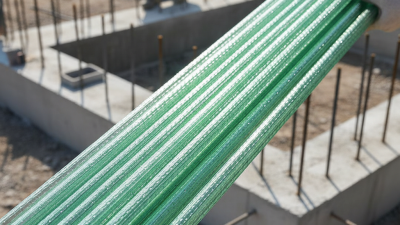
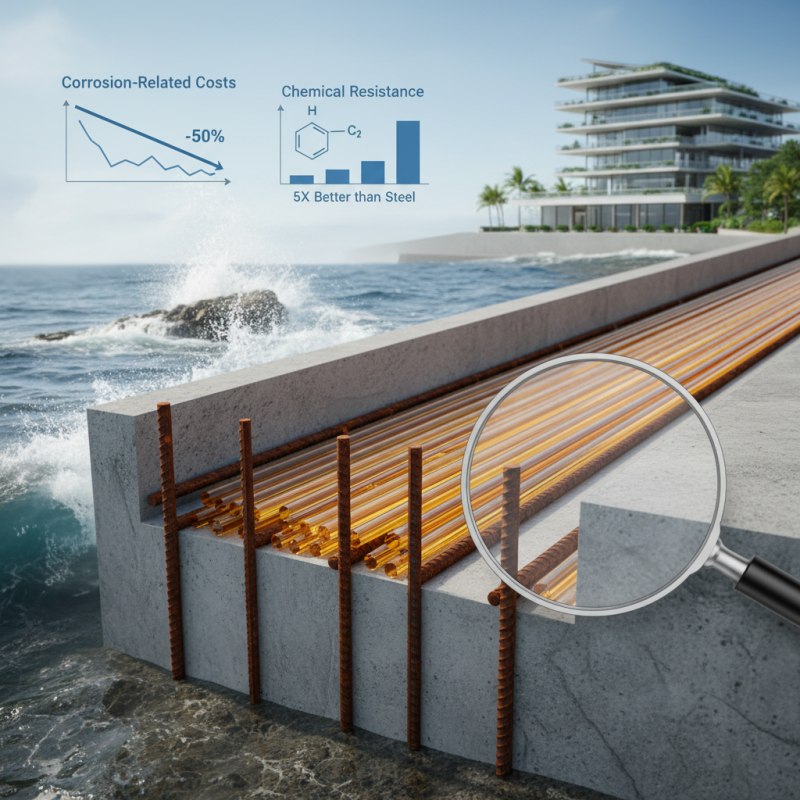
Fibre Glass Rebar has emerged as a game-changing material in the construction industry. Recent studies reveal that the use of Fibre Glass Rebar reduces corrosion-related costs by up to 50%. This statistic underscores its growing popularity among construction professionals seeking durability and cost-efficiency.
Traditionally, steel rebar has dominated the market. However, Fibre Glass Rebar offers significant advantages, such as being lighter and more resistant to harsh environmental conditions. A report from the International Institute for Reinforced Plastics highlights that Fibre Glass Rebar can withstand chemical exposure five times better than its steel counterpart. This resilience is crucial for projects in coastal areas or regions with extreme weather.
Despite its benefits, some may question its initial investment cost. It’s essential to weigh long-term savings against upfront expenses. Construction professionals must evaluate project specifications carefully. Adopting Fibre Glass Rebar may lead to better structural integrity over time, aligning with safety and sustainability goals. Understanding the nuances of this modern material is key to making informed decisions in construction projects.
Benefits of Using Fibre Glass Rebar over Traditional Steel Rebar
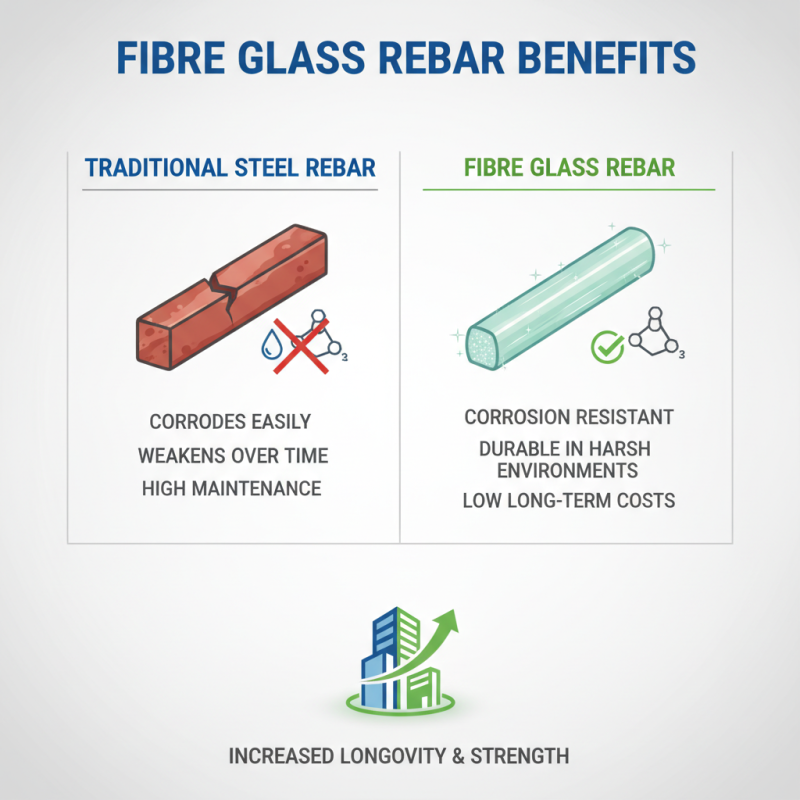
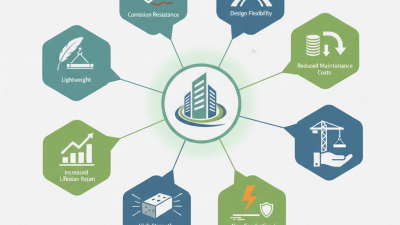
Fibre Glass Rebar is increasingly chosen for construction projects. It offers unique advantages over traditional steel rebar. One significant benefit is its resistance to corrosion. Steel can rust, weakening structures over time. In contrast, Fibre Glass Rebar remains durable in harsh environments, including saltwater and chemicals. This longevity can reduce long-term maintenance costs.
Another advantage is the weight of Fibre Glass Rebar. It is about a quarter of the weight of steel. This lighter weight simplifies handling and installation. Workers can transport it more easily, leading to faster project timelines.
**Tips:** Always assess the local climate condition before choosing rebar types. Consider the specific requirements for your project, such as strength and load-bearing capacity. Lastly, consult with a structural engineer to ensure optimal use and compliance with regulations. Using the right materials can prevent future issues and protect your investment.
Comparative Analysis of Strength and Durability of Fibre Glass Rebar
Fibre glass rebar has gained attention in construction due to its exceptional strength and durability. Unlike traditional steel rebar, fibre glass rebar boasts a tensile strength that can exceed 200,000 psi. According to industry reports, this makes it significantly stronger than steel rebar, which averages around 60,000 psi. The lighter weight of fibre glass also allows for easier handling and installation at job sites.
Durability is another key factor. Fibre glass rebar is resistant to corrosion caused by chemicals and moisture. Studies indicate that steel rebar loses up to 50% of its strength in corrosive environments over ten years. In contrast, fibre glass rebar maintains its integrity under similar conditions. This resistance translates to longer-lasting structures, reducing the need for repairs and reconstructions.
However, fibre glass rebar is not without its challenges. For instance, its higher initial cost can be a barrier for some projects. Engineers and builders must weigh this upfront investment against long-term savings from reduced maintenance needs. Moreover, the bonding strength of fibre glass with concrete requires careful consideration during installation. Each project's specific environment will influence performance. Understanding these factors is crucial for making informed decisions in construction.
Comparative Analysis of Strength and Durability of Fibre Glass Rebar
Cost-Effectiveness: Long-Term Savings with Fibre Glass Rebar
In today’s construction industry, cost-effectiveness is a crucial factor. Fibre glass rebar offers significant long-term savings compared to traditional steel. While the initial investment may seem higher, its durability minimizes maintenance costs. Projects might encounter unforeseen expenses, but fibre glass rebar reduces the risks associated with corrosion and rust, which can be costly.
Fibre glass rebar is lightweight and easy to handle. This aspect can lead to savings on labor costs. Workers can install the rebar quickly, increasing overall efficiency. Some projects may face challenges with installation speed, but the advantages usually outweigh these concerns. Moreover, its resistance to harsh conditions means fewer repairs over time, translating to lower maintenance expenses.
In considering materials, accountability and quality matter. Fibre glass rebar holds strong under various climates, extending the lifespan of structures. However, it's essential to consult experts to understand its performance in specific applications. Choices should align with project needs, weighing the benefits against potential drawbacks. Robust decision-making ensures that cost-effectiveness leads to successful outcomes.
Why Choose Fibre Glass Rebar for Your Construction Projects? - Cost-Effectiveness: Long-Term Savings with Fibre Glass Rebar
| Aspect |
Fibre Glass Rebar |
Steel Rebar |
| Weight |
40% lighter |
Standard weight |
| Corrosion Resistance |
Excellent |
Poor |
| Cost Per Unit |
Higher |
Lower |
| Lifespan |
50+ years |
10-20 years |
| Maintenance Costs |
Minimal |
High |
| Thermal Expansion |
Similar to concrete |
Different from concrete |
Environmental Impact: Why Fibre Glass Rebar is a Sustainable Choice
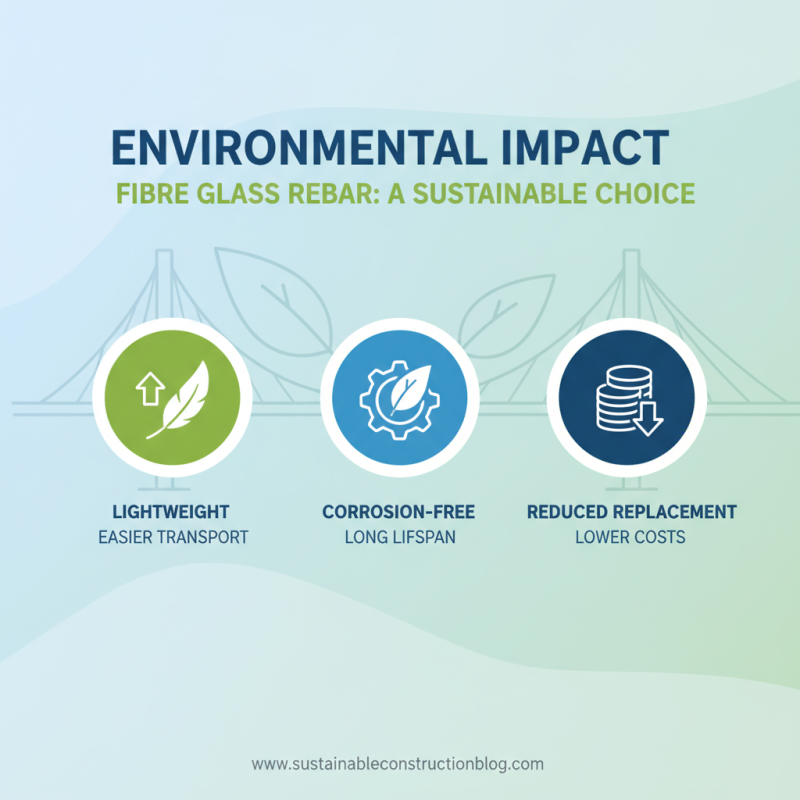
Fibre glass rebar has gained attention in construction due to its sustainable properties. Its lightweight nature contributes to easier handling and transportation. Unlike traditional steel rebar, fibre glass rebar does not corrode. This longevity reduces the need for frequent replacements, which can also lower costs in the long run.
When considering environmental impact, fibre glass rebar stands out. It is made from composite materials that require less energy to produce. Its production process emits fewer greenhouse gases. This shift towards sustainable materials is crucial for reducing the carbon footprint of construction projects.
Tips: Always ensure proper training for the installation of fibre glass rebar. This minimizes the risk of premature failure. Be cautious about temperature variations, as they can affect the material's performance. Regular inspections can help identify potential issues early, ensuring project longevity and efficiency.
Applications and Performance Under Extreme Conditions for Fibre Glass Rebar
Fibre glass rebar offers multiple applications in construction, especially under extreme conditions. It has a significant advantage over traditional steel rebar. For example, its corrosion resistance makes it ideal for structures exposed to saltwater or chemicals. This resilience prevents costly repairs, extending the lifespan of concrete structures.
In seismic zones, fibre glass rebar proves to be lightweight yet strong. Its flexibility allows structures to absorb energy during an earthquake, while reducing overall weight. However, designers must consider the rebar's tensile properties carefully. If not properly calculated, it could lead to structural weaknesses.
Extreme temperature variations also test the performance of fibre glass rebar. It remains stable in high heat or freezing conditions, making it suitable for diverse climates. Nonetheless, the initial cost may deter some builders. This decision requires balancing long-term benefits against upfront expenses. By evaluating all factors, stakeholders can make informed choices.