Why Choose Fiber Glass Direct Roving for Your Projects?
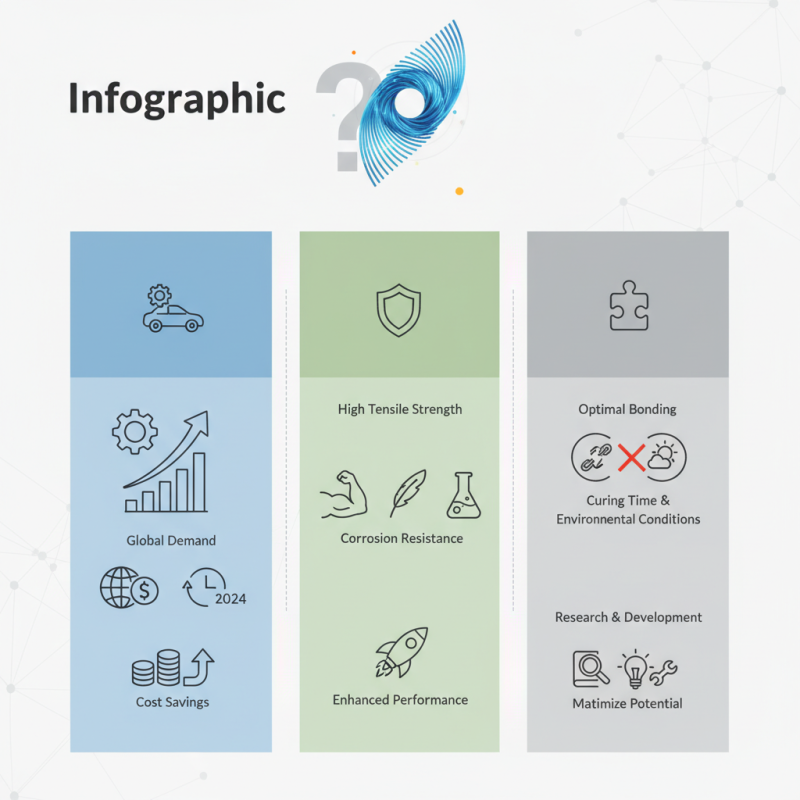
Fiber Glass Direct Roving has become a critical material in various industries, from automotive to construction. According to a recent report by MarketsandMarkets, the global demand for fiberglass products is projected to reach $100 billion by 2024, reflecting a compound annual growth rate of 5.9%. This growth highlights the increasing reliance on advanced composite materials, where Fiber Glass Direct Roving plays a pivotal role.
The advantages of Fiber Glass Direct Roving are clear. Its high tensile strength, low weight, and corrosion resistance make it ideal for demanding applications. Many companies have found that using Fiber Glass Direct Roving leads to significant cost savings and enhanced performance in their projects. However, not all applications suit this material perfectly. The challenges of ensuring optimal bonding with resin systems can affect the longevity of the end product.
Understanding the nuances of Fiber Glass Direct Roving is essential. While it offers many benefits, engineers must also consider factors like curing time and environmental conditions. Balancing these aspects can lead to more successful outcomes in composite manufacturing. Investing time in research and development will ensure that businesses maximize the potential of Fiber Glass Direct Roving efficiently.
Understanding Fiber Glass Direct Roving and Its Composition
Fiber glass direct roving is a key material in composite applications. It consists of continuous strands of glass fibers bundled together. This structure enhances strength and durability. The fibers are coated with a sizing agent for better compatibility with resin systems.
Tips: Always consider the type of resin. A good match improves the bonding and overall performance of your composite. Make sure to check the specifications before starting.
The composition of fiber glass roving affects its application. High-strength glass fibers provide excellent tensile strength. However, not all roving types are equal. Some may not meet specific project needs. Testing samples before committing is wise. Do not overlook this crucial step.
Tips: Evaluate the environmental factors that will influence your project. Temperature, humidity, and UV exposure can degrade materials over time. Planning for these factors helps in achieving better outcomes.
Key Advantages of Using Fiber Glass Direct Roving in Projects
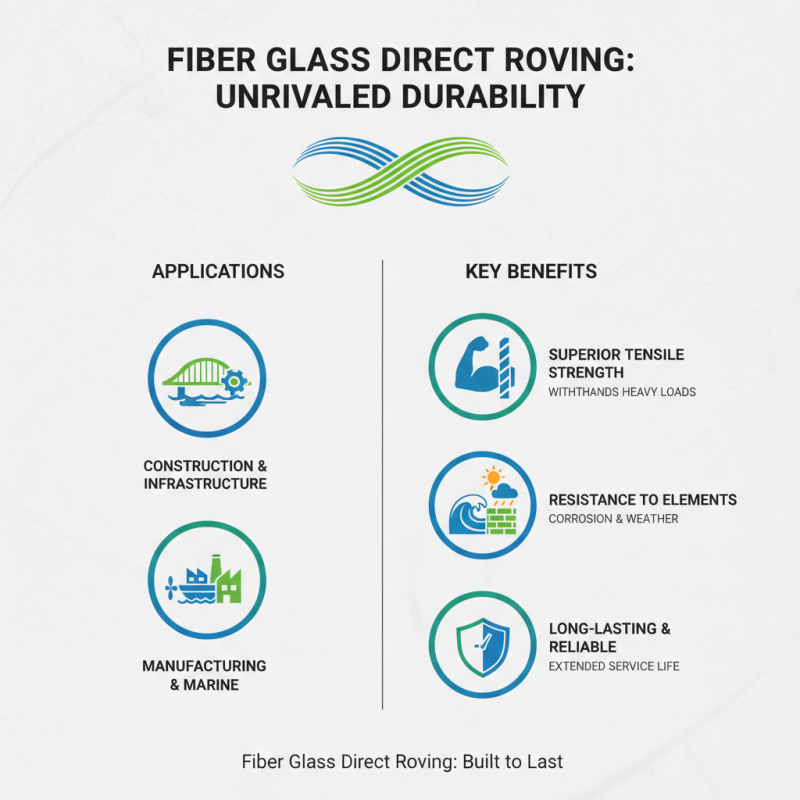
When it comes to projects requiring durability, Fiber Glass Direct Roving stands out. Its versatility allows it to adapt to various applications, whether in construction or manufacturing. The superior tensile strength of fiberglass ensures structures can withstand heavy loads and harsh conditions. Imagine a bridge or boat hull reinforced with this material; it holds up against time and elements.
Another key advantage is the lightweight nature of fiber glass roving. This characteristic makes it easier to handle, transport, and install. Workers appreciate the reduced effort required when using this material. However, handling requires caution; some may struggle with proper techniques, leading to waste or uneven layers.
Moreover, fiber glass roving offers excellent corrosion resistance. It can endure exposure to chemicals without degrading. This quality is essential for projects in hostile environments. Yet, users should reflect on the need for proper storage and application methods. Incorrect handling can diminish its effectiveness. Ultimately, recognizing both strengths and potential pitfalls will lead to better project outcomes.
Comparison of Fiber Glass Direct Roving with Other Reinforcement Materials
Fiber glass direct roving offers unique advantages compared to other reinforcement materials like carbon fiber and aramid fiber. Industry reports indicate that fiber glass is cost-effective, making it an appealing choice. For example, glass fiber typically costs about 50% less than carbon fiber. This affordability allows for larger production runs, which reduces overall project costs.
Moreover, fiber glass provides excellent tensile strength. While carbon fibers exhibit superior strength, glass fibers still offer a tensile strength of over 3,000 MPa. This makes them suitable for various applications while being easier to work with. Some projects require specific moisture resistance. In this regard, fiberglass performs adequately under various environmental conditions, unlike aramid fibers, which can absorb moisture and lose strength.
However, it’s not all perfect. Fiber glass can be heavier than its counterparts. This can impact the overall weight of the final product, especially in applications where weight is critical. Also, fabrication processes may require careful handling. Improper handling can lead to damage and reduced performance. Enhancing fabrication techniques is vital for maximizing efficacy. Thus, while fiber glass has compelling features, its limitations should be addressed for better project outcomes.
Comparison of Fiber Glass Direct Roving with Other Reinforcement Materials
Applications and Industries Benefiting from Fiber Glass Direct Roving
Fiber Glass Direct Roving plays a crucial role in various industries. It provides high tensile strength and excellent flexibility. In construction, fiberglass rovings are used in concrete reinforcement. A report from the Global Fiberglass Market indicates a 9% annual growth rate in this sector. This signals increasing demand for durable materials that enhance structural integrity.
Automotive manufacturers also benefit greatly from fiberglass roving. It is used in components like doors, hoods, and chassis. According to a study by the Automotive Composite Market, the use of fiberglass composites in automobiles is expected to rise by 20% over the next five years. This shift reflects the industry's push for lightweight materials, improving fuel efficiency.
In marine applications, fiberglass roving is essential for boat and yacht construction. It provides water resistance and durability against harsh conditions. However, sourcing high-quality fiberglass can be challenging. Not all suppliers meet industry standards. This inconsistency can lead to subpar products, affecting safety and performance. It's a critical area for professionals to scrutinize and choose wisely.
Factors to Consider When Selecting Fiber Glass Direct Roving for Your Needs
When selecting fiberglass direct roving for your projects, several factors come into play. Understanding the specifications is crucial. The tensile strength, for instance, typically ranges from 250,000 to 600,000 psi, depending on the type. It's vital to match the right tensile strength with your application needs. Not all projects require high-strength roving; in some cases, lower grades might suffice. This approach could save costs while still achieving satisfactory results.
The physical properties of fiberglass also matter. The diameter of the fibers can vary. Common fiber diameters are between 10 and 22 microns. For example, thinner fibers are good for applications needing flexibility. In contrast, thicker fibers provide greater stiffness. Evaluating these aspects can help streamline your choice process. However, choosing the wrong diameter can lead to performance issues. This requires careful thought.
Finally, check the manufacturer’s specifications. Some reports suggest that up to 15% of projects fail due to improper material selection. Ensure that the fiberglass roving you choose aligns with industry standards for your specific use. Be reflective and critical of your choices. Sometimes, revisiting past decisions can lead to better outcomes in future projects.