How to Choose the Best Molded Fiberglass Grating for Your Project?

When embarking on a project that requires durable flooring solutions, Molded Fiberglass Grating stands out. This material is known for its strength and resistance to corrosive elements. However, not all grating options suit every project. Selecting the right one requires careful consideration of various factors.

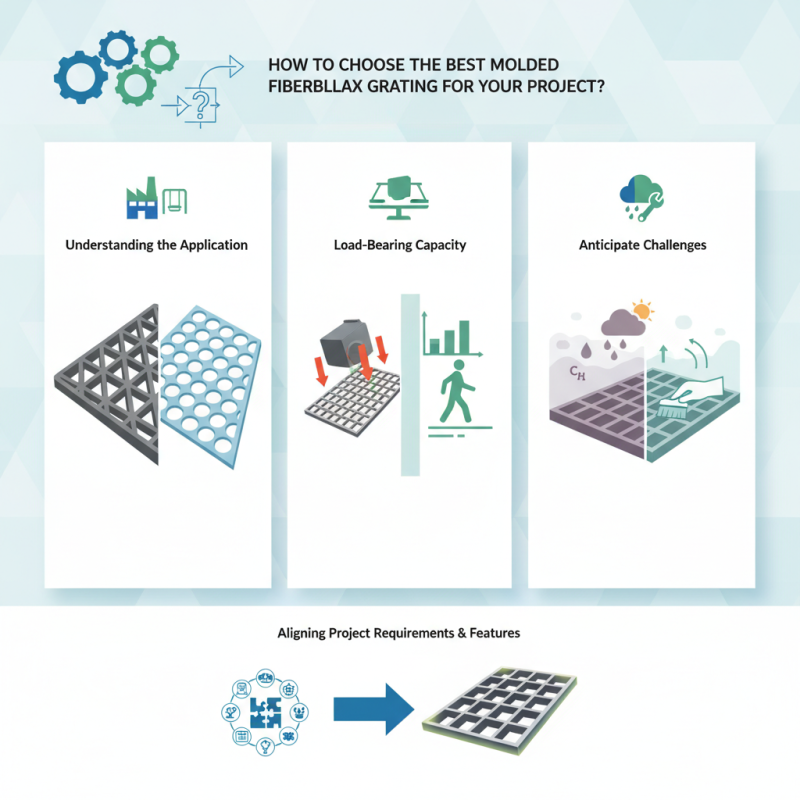
Understanding the application is crucial. For instance, a grating designed for industrial use may differ from one suitable for a recreational area. Additionally, the load-bearing capacity is vital. It must support expected traffic without compromising safety. Always anticipate potential challenges, like environmental factors or maintenance needs.

The diverse options available can be overwhelming. Each project has unique needs. It’s easy to feel lost among styles and finishes. Take time to reflect on your priorities. Ultimately, choosing the best Molded Fiberglass Grating is about aligning your project requirements with the right features.
How to Choose the Best Molded Fiberglass Grating for Your Project?

Understanding Molded Fiberglass Grating: Key Features and Benefits

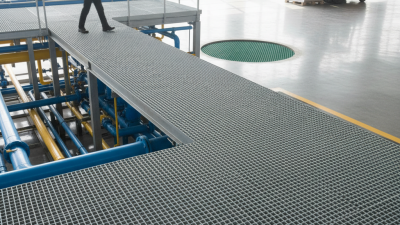
Molded fiberglass grating is gaining popularity for various applications. It offers distinctive features such as corrosion resistance and lightweight properties. This makes it ideal for industrial flooring, walkways, and platforms where durability is essential. The open grid design enhances drainage, reducing hazards in wet environments.

However, not all fiberglass grating is created equal. The resin type and manufacturing process can influence performance significantly. Look closely at the specifications. Consider the load capacity and thickness. These factors determine if the grating can withstand your project’s demands. Also, check the slip resistance rating. It's crucial for safety.

Sometimes, buyers overlook installation requirements. Easy installation can save time and labor, but be cautious. Ensure you have the right tools and skills for the job. If not, mistakes may lead to costly repairs. While molded fiberglass grating has many advantages, understanding your specific needs is vital for achieving the best results.

How to Choose the Best Molded Fiberglass Grating for Your Project?

Feature Description Benefits
Corrosion Resistance Molded fiberglass grating is resistant to various chemicals and environmental factors. Increased lifespan and reduced maintenance costs.
Lightweight Significantly lighter than steel, making installation easier. Lower transportation costs and easier handling during installation.
Slip Resistance Surface texture can be designed to enhance slip resistance. Enhanced safety for workers in wet or oily environments.
Customizable Sizes Available in various sizes and shapes to fit specific project needs. Flexibility in design and usage across different applications.
Thermal Insulation Non-conductive material helps in maintaining temperature control. Improved comfort in environments with extreme temperatures.

Identifying Project Requirements for Molded Fiberglass Grating Selection

Selecting the right molded fiberglass grating starts with understanding your project's specific needs. For instance, consider the load-bearing capacity required. Many reports reveal that molded fiberglass can handle loads from 125 to over 1,000 pounds per square foot. This variation depends on the thickness and the type of resin used.

Environmental factors also play a pivotal role. If your project faces corrosive conditions, opt for grating with superior chemical resistance. It's essential to gauge prevalent chemicals in your environment, as exposure could degrade inferior materials. In a study, 70% of professionals noted the importance of UV stability. Choosing a product with a long lifespan can prevent costly replacements.

Another aspect to assess is slip resistance. The surface texture affects safety, particularly in wet or oily environments. The American National Standards Institute suggests that grating should meet specific slip resistance ratings. Many projects fail to consider this, leading to accidents that might have been avoided. Reflect on your project's unique environment and prioritize these key factors for successful selection.

Choosing the Best Molded Fiberglass Grating for Your Project

This chart illustrates the key factors and their importance in selecting molded fiberglass grating for various projects. The data is based on industry standards and common project requirements.

Comparing Different Types of Molded Fiberglass Grating Materials

When selecting molded fiberglass grating, consider the material types available. Each type has its characteristics, affecting strength and application. For instance, standard fiberglass grating is lightweight yet strong. It's ideal for walkways and platforms. The surface offers good slip resistance, which is a major plus in wet environments.

Additionally, if chemical resistance is crucial, look into corrosion-resistant options. These options excel in harsh environments, such as chemical plants. They resist degradation from exposure to aggressive substances. However, they can be more expensive and may require special care in installation. The choice depends heavily on your project's unique needs and constraints.

Another aspect to reflect on is the load-bearing capacity. Some fiberglass gratings can handle heavy machinery, while others are suited for lighter use. Misjudging this can lead to structural issues or failures. Evaluating the expected load is vital. Test your options against this criterion to avoid costly mistakes later.

Evaluating Environmental Factors Affecting Grating Performance

How to Choose the Best Molded Fiberglass Grating for Your Project?

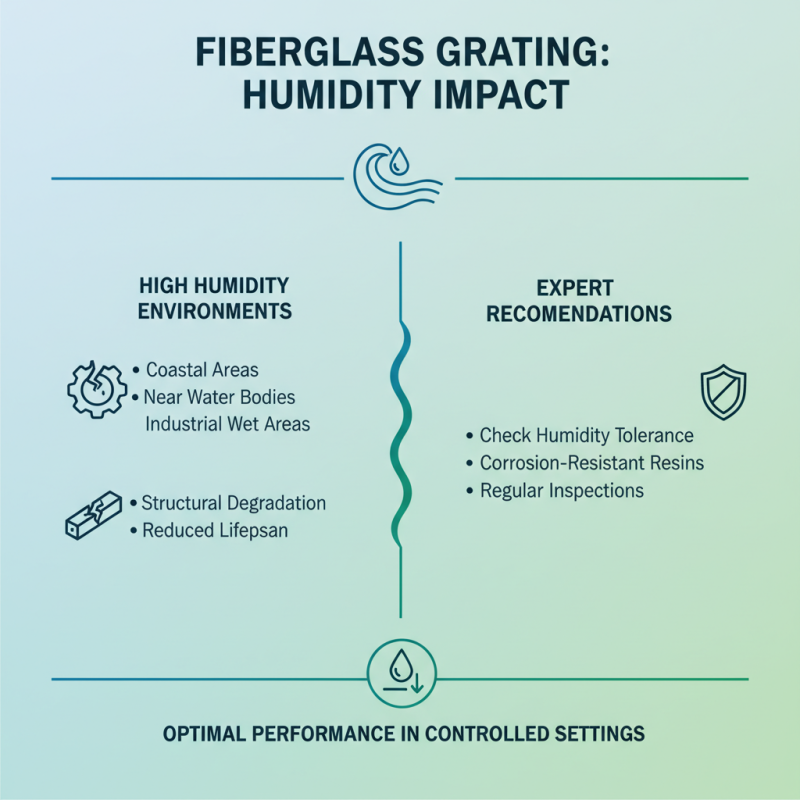
Environmental factors significantly influence the performance of molded fiberglass grating. Humidity can affect the material’s structural integrity. High moisture levels may lead to degradation over time. This is particularly important in coastal areas or near water bodies. Experts recommend checking humidity tolerance before selection.

Temperature fluctuations also play a role. Extreme heat can warp grating, while freezing conditions might cause cracking. Consider the temperature range before making a decision. It might be easy to overlook this detail, but it can save time and costs in the long run.

UV exposure is another critical factor. Direct sunlight can weaken grating, especially if not specifically designed for such conditions. Regular inspection is advisable to spot potential issues early. Visual deterioration might occur gradually, making early detection crucial for maintenance. Evaluating these environmental factors is essential for choosing the right grating.

Cost Considerations and Budgeting for Fiberglass Grating Projects

How to Choose the Best Molded Fiberglass Grating for Your Project?

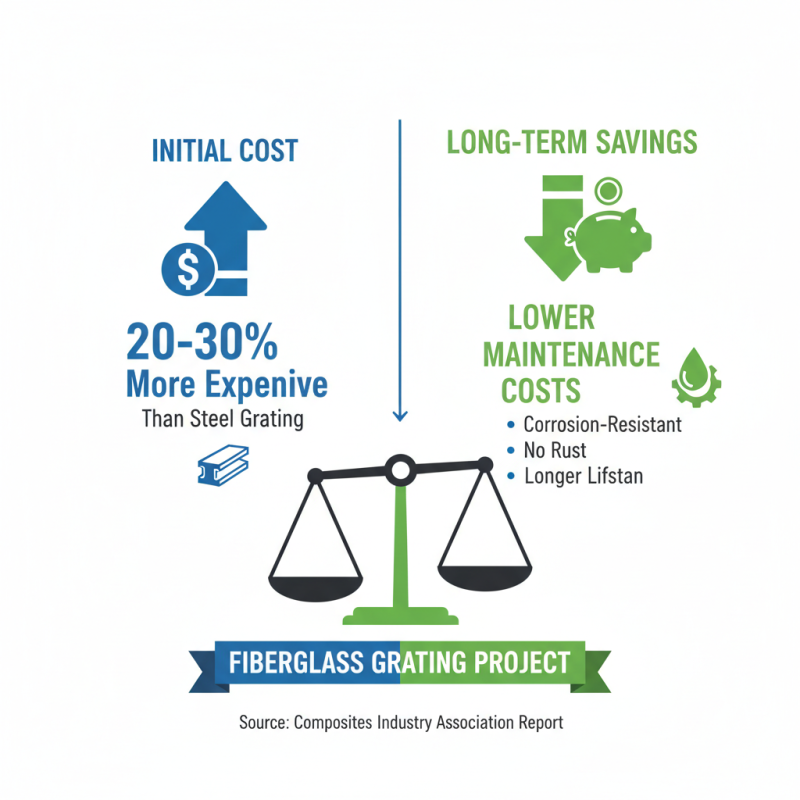
Cost considerations are crucial when planning a fiberglass grating project. According to a report by the Composites Industry Association, fiberglass grating can be 20-30% more expensive than traditional materials like steel. However, the long-term savings can offset these initial costs. Fiberglass grating is resistant to corrosion, leading to lower maintenance expenses.

Budgeting is not just about material costs. Installation can be complex. Labor costs may rise, especially for specialized installation. Reports suggest that proper planning can save 10-15% on labor expenses. Careful estimates of labor hours can help in managing the budget effectively.

Unexpected costs may arise. These include additional supports or fixtures necessary for a secure installation. It is essential to allow a contingency margin of 10-15%. This allows flexibility in adjusting for unforeseen expenses. Remember to evaluate the project's overall lifespan. The durability of molded fiberglass grating often results in fewer replacements over time.