Why Choose 28mm Glass Fiber Rebar for Your Construction Projects?
When it comes to innovative construction materials, the spotlight often falls on 28mm Glass Fiber Rebar. This modern solution offers remarkable advantages over traditional steel rebar. It promises enhanced durability and corrosion resistance. Engineers and builders increasingly rely on 28mm Glass Fiber Rebar for their projects, seeking reliability in their construction ventures.
Construction projects today demand materials that meet high performance standards. The 28mm Glass Fiber Rebar stands out as a lightweight alternative. Its unique properties can improve load-bearing capacity without adding unnecessary weight. This rebar isn’t just a trend; it has become essential in various applications. Yet, some may raise questions about its long-term performance and cost-effectiveness.
While it seems promising, the selection of 28mm Glass Fiber Rebar should be made with careful thought. Understanding its benefits and limitations is crucial. As the construction industry evolves, informed decisions make a significant difference. Trusting an advanced material like 28mm Glass Fiber Rebar could reshape future building practices.
Benefits of 28mm Glass Fiber Rebar in Modern Construction
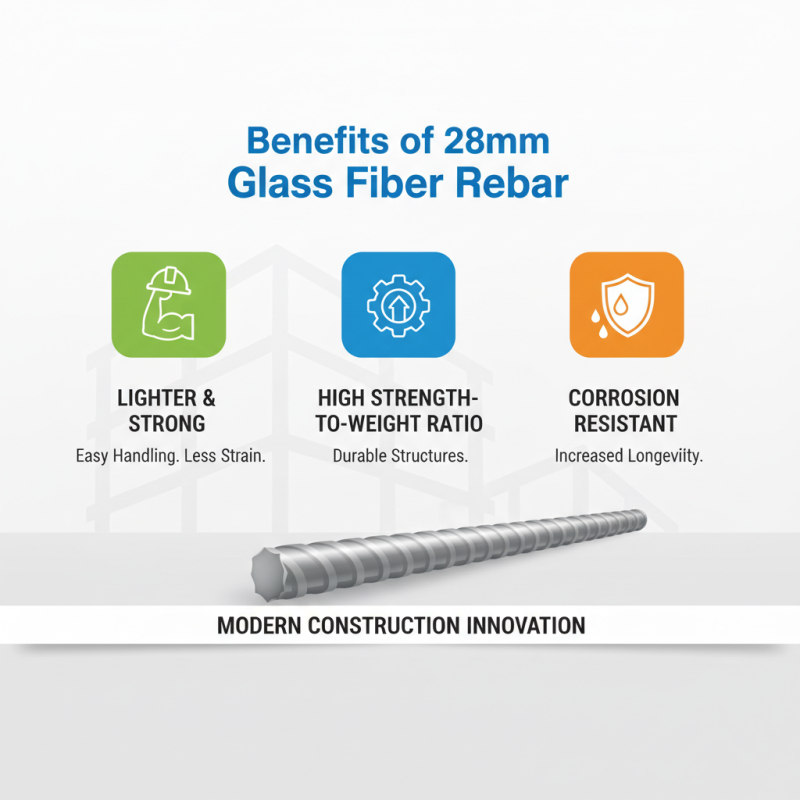
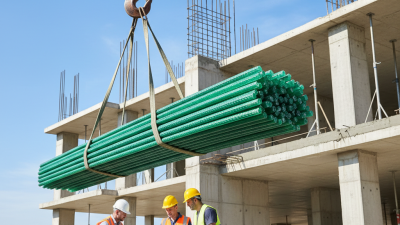
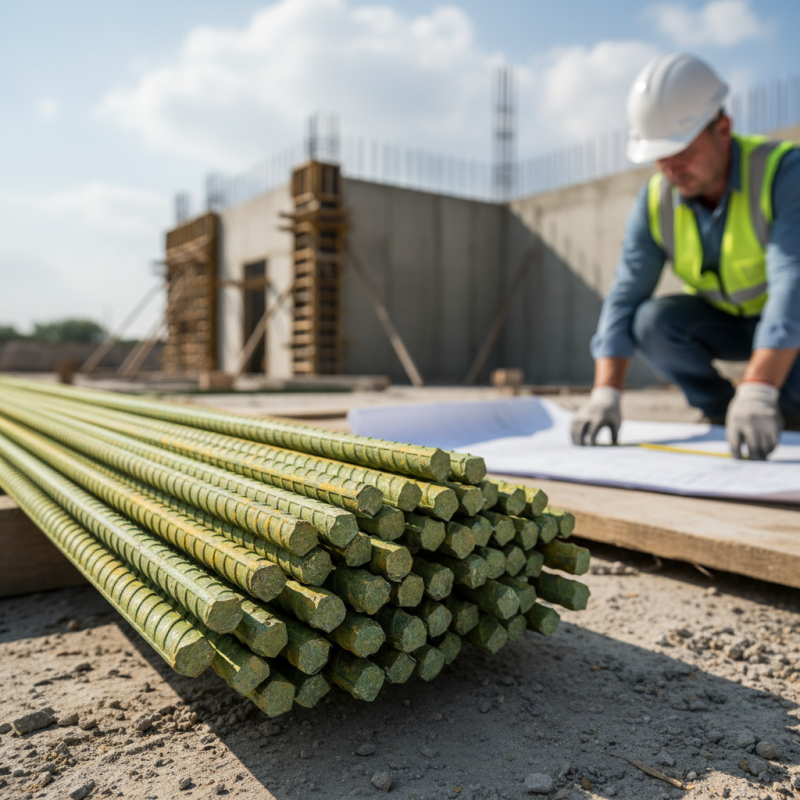
When it comes to modern construction, the advantages of using 28mm glass fiber rebar are notable. This innovative reinforcement material is lighter than traditional steel rebar. It boasts a significant strength-to-weight ratio. This allows for easier handling on site. Workers can lift and position it without strain. Furthermore, 28mm glass fiber rebar is resistant to corrosion. This resilience increases the longevity of structures.
Another point worth mentioning is cost efficiency. While the initial investment might be higher, the long-term savings are substantial. Reduced maintenance is a critical factor. Structures using glass fiber rebar often require fewer repairs. This means lower overall costs. The ease of workability also increases project speed. Construction teams can complete tasks more quickly.
However, it is important to be cautious. Not all projects may benefit equally from glass fiber rebar. Each site and project type has unique needs. Evaluating these factors is essential for optimal performance. Also, as a relatively newer material, it requires a learning curve. Teams must train to adopt best practices effectively. Understanding these aspects ensures that the benefits truly align with project goals.
Comparative Strength and Durability of Glass Fiber Rebar vs Steel Rebar
Glass fiber rebar has gained attention for its strength and durability in construction. When compared to traditional steel rebar, it offers unique advantages. According to industry reports, glass fiber rebar exhibits higher tensile strength, often surpassing steel by up to 30%. This property makes it ideal for applications requiring high resilience.
In terms of durability, glass fiber rebar resists corrosion much better than steel. A study indicated that steel rebar suffers significant degradation in coastal environments, leading to costly repairs. On the other hand, glass fiber rebar remains unaffected by moisture or chemical exposure. This durability translates into longer service life for structures, reducing the need for frequent maintenance.
However, challenges exist. The initial cost of glass fiber rebar can be higher than steel. Some construction professionals still hesitate to adopt this newer material. It requires precise handling and installation techniques, which may not be widely understood yet. Despite these hurdles, the long-term benefits often outweigh initial drawbacks, making glass fiber rebar a compelling choice for future projects.
Why Choose 28mm Glass Fiber Rebar for Your Construction Projects? - Comparative Strength and Durability of Glass Fiber Rebar vs Steel Rebar
| Property |
Glass Fiber Rebar (28mm) |
Steel Rebar (28mm) |
| Weight |
4.5 kg/m |
15.4 kg/m |
| Tensile Strength |
550 MPa |
400 MPa |
| Corrosion Resistance |
Excellent |
Poor |
| Fatigue Resistance |
High |
Moderate |
| Cost |
Moderate |
Low |
| Environmental Impact |
Low |
High |
Cost-Effectiveness: Analyzing Long-Term Savings with Glass Fiber Rebar
When considering construction projects, cost-effectiveness is critical. Opting for 28mm glass fiber rebar can yield significant long-term savings. Unlike traditional steel rebar, glass fiber rebar offers resistance to corrosion. This durability can lead to fewer repairs over time. Projects can benefit from a longer lifespan with less maintenance.
Using glass fiber rebar often results in lighter construction materials. This reduces transportation costs and labor expenses. Workers can handle it more easily, which speeds up the construction process. In wet or harsh environments, glass fiber rebar shines. It does not rust or degrade, making it a smart investment.
However, some may question its initial cost. While glass fiber rebar might have a higher upfront price, the long-term savings tell a different story. The reduced need for replacements proves worthwhile over time. Choosing the right materials can be a challenge. Yet, understanding the benefits of glass fiber rebar helps mitigate potential pitfalls. It is essential to weigh both initial and ongoing costs. This approach can lead to more informed decision-making in future projects.
Cost-Effectiveness of 28mm Glass Fiber Rebar vs. Traditional Steel Rebar
Environmental Impact of Using Glass Fiber Rebar in Construction Projects
The environmental impact of construction materials is gaining attention in the industry.
Glass fiber rebar offers a sustainable alternative to traditional steel rebar. A study by the Construction Materials Research Institute shows that glass fiber rebar can reduce greenhouse gas emissions by approximately 30%. This significant reduction is crucial in a world facing climate challenges.
Using glass fiber rebar also minimizes waste. Unlike steel, glass fiber rebar is resistant to corrosion. This longevity leads to fewer replacements over time. The durability not only cuts costs but also lessens the ecological footprint of construction projects. A report by the Global Institute for Sustainable Construction highlights that using glass fiber rebar can lead to a 20% decrease in overall material waste.
Tip: When choosing materials, consider their entire lifecycle. Look for options that offer durability and sustainability. Additionally, involving environmental engineers early in your projects can optimize choices for a greener footprint.
Embracing innovative materials like glass fiber rebar can bring about significant positive change in construction practices.
Applications and Use Cases for 28mm Glass Fiber Rebar in Various Structures
When considering construction projects, specific materials can make a significant difference.
28mm glass fiber rebar is particularly versatile across various applications. Its lightweight nature simplifies handling, and it can replace traditional steel rebar effectively. This quality is especially useful in complex structures, where weight distribution is critical.
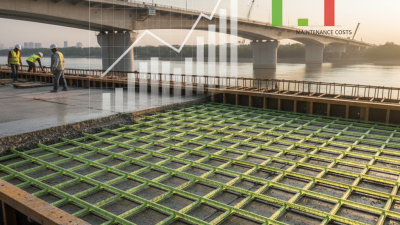
One practical use case is in bridge construction. The corrosion resistance of 28mm glass fiber rebar ensures longevity in harsh environments. It also performs well in foundations and walls, providing necessary support without adding extra weight. However, project managers must assess local regulations to ensure compatibility with existing building codes.
In addition, this type of rebar finds utility in precast concrete elements. The integration can enhance overall durability and reduce dependency on steel. While its performance is impressive, there may be instances where engineers must consider cost versus benefits. Understanding these nuances is essential for successful project outcomes.