2026 Best Molded Fiberglass Grating Options for Your Projects?
Molded Fiberglass Grating is becoming a popular choice in various industries. Its lightweight yet durable nature offers distinct advantages. This material withstands heavy loads and harsh conditions, making it suitable for a range of applications.
When considering your projects, the options for molded fiberglass grating can be overwhelming. Different shapes, sizes, and colors provide flexibility in design. However, not all grating stands up to expectations. It's essential to evaluate your specific needs carefully.
Visualize a commercial kitchen or industrial platform. The right molded fiberglass grating can enhance safety and efficiency. Yet, some choices might lead to disappointment. Quality varies widely. Investing time in research and comparison could pay off significantly. Always remember to reflect on what truly meets your project's demands.
Overview of Molded Fiberglass Grating and Its Applications
Molded fiberglass grating is a versatile material. It consists of glass fibers embedded in resin. This combination creates strong, lightweight panels. These panels have a high strength-to-weight ratio. They resist corrosion and are non-conductive, making them ideal for various applications.
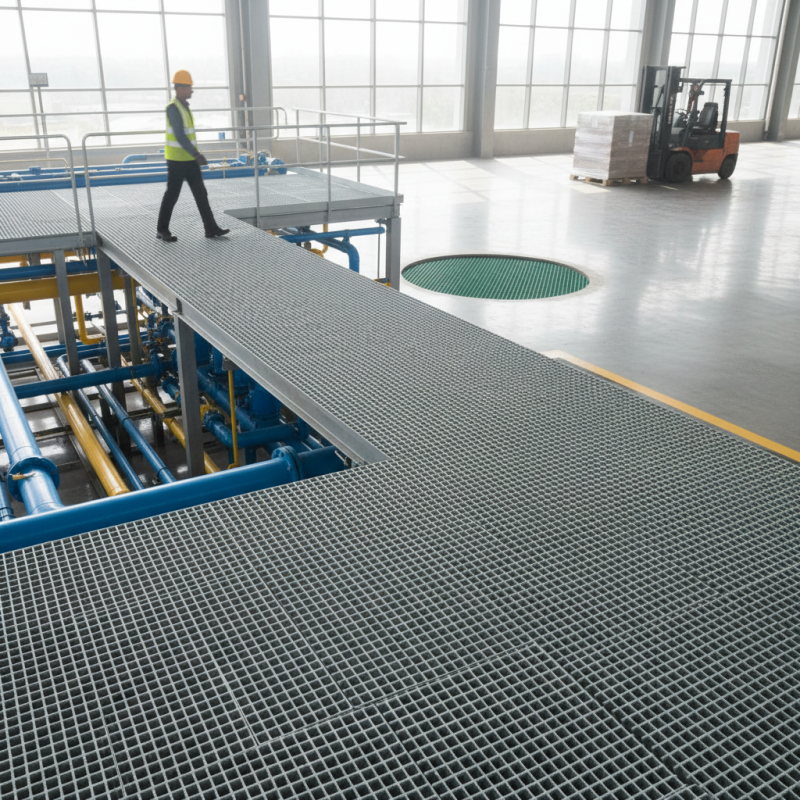
In industrial settings, molded fiberglass grating is useful. It helps provide safety underfoot in plants and factories. In harsh environments, it stands up to chemicals and moisture. This grating is also popular in walking paths and platforms. Its slip-resistance adds safety for workers or visitors.
Tips: When choosing molded fiberglass grating, consider the load requirements. Thickness matters for durability. Additionally, color-coding can enhance visibility in work areas. Ensure proper installation to avoid accidents. Even minor misalignments can lead to hazards. Regular inspections can prevent long-term issues.
2026 Best Molded Fiberglass Grating Options for Your Projects
| Material Type |
Load Capacity (lbs) |
Thickness (inches) |
Color Options |
UV Resistance |
Applications |
| Polyester |
2500 |
1 |
Gray, Black, Yellow |
Good |
Walkways, Pool Decks |
| Vinyl Ester |
3000 |
1.5 |
Green, Blue, Black |
Excellent |
Chemical Processing, Wastewater Treatment |
| Epoxy |
4000 |
1 |
Gray, White |
Good |
Industrial Floors, Marine Applications |
| Fire-Retardant |
2500 |
1 |
Beige, Black |
Fair |
Fire Escape Routes, Electrical Rooms |
| Custom Blends |
Variable |
1-2 |
Various |
Variable |
Custom Projects, Specialized Applications |
Key Features and Benefits of Molded Fiberglass Grating
Molded fiberglass grating stands out in various applications due to its unique features. One key aspect is its corrosion resistance. This makes it ideal for industries like chemical processing. Unlike traditional metal grates, fiberglass doesn’t rust. It remains strong in harsh environments. Additionally, it’s lightweight yet durable, simplifying installation and reducing labor costs.
Another notable benefit is safety. The surface texture offers excellent traction. This reduces slipping hazards in wet or oily conditions. Furthermore, molded fiberglass has fire-retardant properties. This can be crucial in areas where fire risk is a concern. However, it's important to consider the specific fire ratings for different projects.
Cost can be a significant factor. While fiberglass may have a higher upfront cost, its longevity can lead to savings over time. Maintenance is minimal, and it doesn’t require regular painting or treatment. However, careful planning is crucial. It's vital to ensure it meets the weight and load specifications of your project. Sometimes, miscalculating requirements can lead to setbacks. Balancing these factors is essential for optimal project outcomes.
Top Manufacturers of Molded Fiberglass Grating in 2026
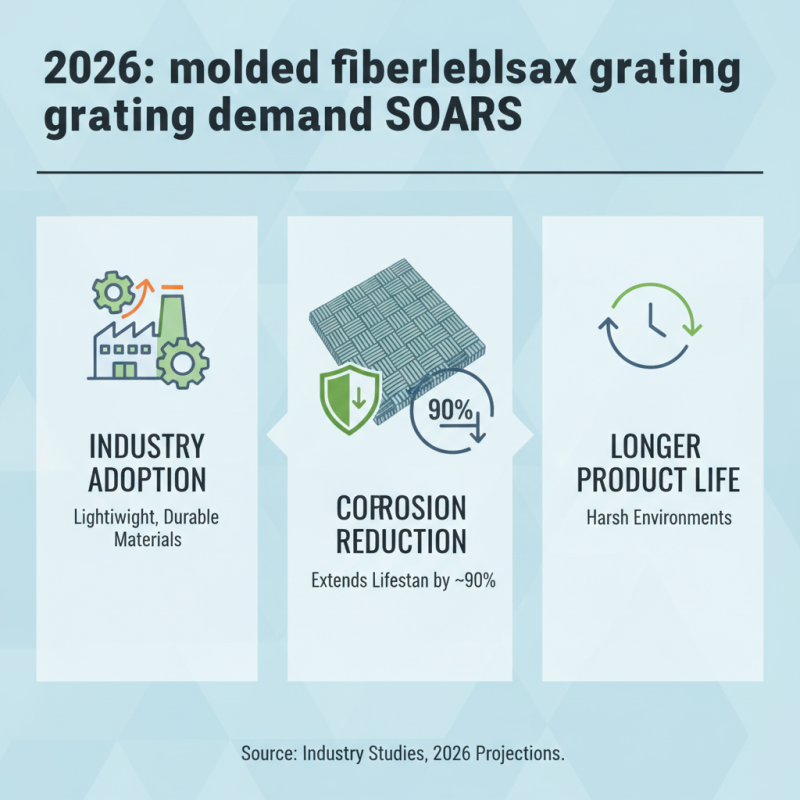
In 2026, the demand for molded fiberglass grating continues to rise. As industries push for lightweight, durable materials, these products are increasingly favored. Studies show that molded fiberglass grating can reduce corrosion by approximately 90%, greatly extending lifespans in harsh environments.
Top manufacturers are focusing on advanced production methods. They utilize high-quality fiberglass that ensures strength and reliability. According to industry reports, the molded fiberglass grating market is projected to grow at a CAGR of 5.4% from 2022 to 2028. Yet, challenges persist. Some manufacturers struggle with maintaining consistent quality. Variability in raw materials can lead to weaknesses in the final product.
Projects using molded fiberglass grating need careful evaluation. Factors like load capacity, environmental conditions, and installation processes matter significantly. More research is essential to pinpoint how best to optimize these materials. Proper support and installation are crucial. Without them, even the best grating features can fall short of expectations. Ensuring performance requires ongoing assessment of both supplier capabilities and project needs.
Comparative Analysis of Molded Fiberglass Grating Options
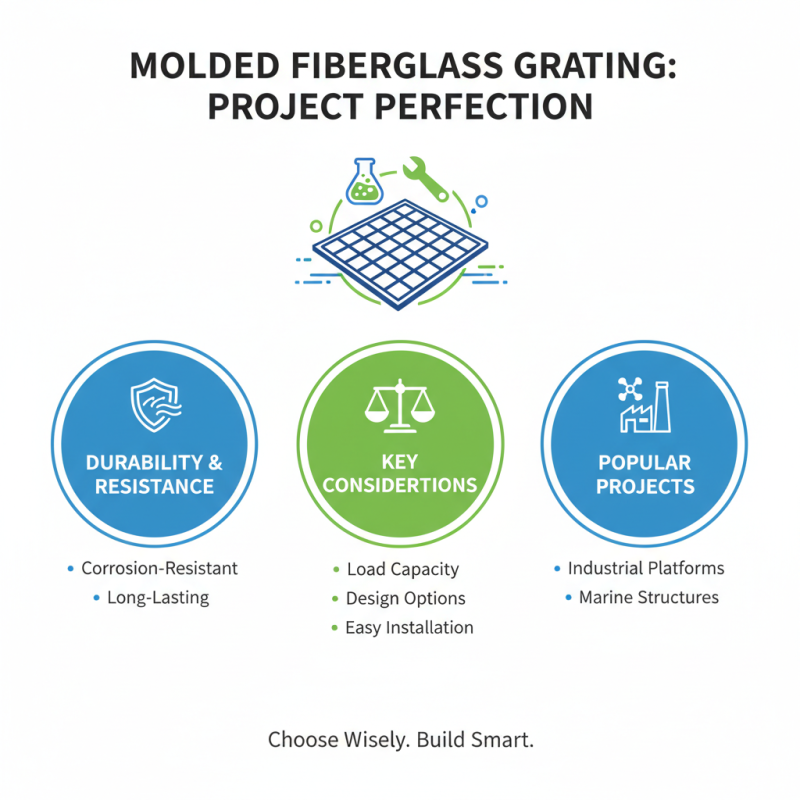
Molded fiberglass grating is a popular choice for various projects. It offers durability and resistance to corrosion. With many options available, choosing the right type can be daunting. Factors like load capacity, design, and installation ease come into play.
When analyzing molded fiberglass grating options, consider the specific project requirements. Some are designed for heavy-duty use, while others are more suited for light applications. Different colors and textures can enhance safety and visibility. Yet, not all grating performs equally under stress.
In practice, some users find the installation process confusing. Guides and support can sometimes fall short. It's crucial to validate that the chosen option meets applicable safety standards. Remember, what looks good on paper may not always perform as expected. Careful evaluation of user reviews can reveal hidden insights.
Guidelines for Selecting the Right Molded Fiberglass Grating for Projects
When selecting molded fiberglass grating for your projects, consider several key factors. Durability is vital. According to industry reports, molded fiberglass grating can have a lifespan that exceeds 20 years in harsh environments. This longevity means fewer replacements and lower overall costs, but it is crucial to assess the chemical exposure during service.
Weight is another consideration. Molded fiberglass grating is lightweight compared to traditional materials, facilitating easier installation. However, this doesn’t negate the need for proper load testing. Make sure to consult specifications to ensure it meets your project’s requirements.
The design flexibility of molded fiberglass grating is attractive too. It comes in various colors and configurations. However, be careful; not all designs may meet safety regulations. Risk assessments can often reveal discrepancies in expected performance.
Ultimately, take time to evaluate these factors. Gather data, test multiple options, and engage with industry experts. A thoughtful approach can lead to superior project outcomes.
Comparison of Molded Fiberglass Grating Options for 2026 Projects