Best Composite Gfrp Rebar Uses and Advantages for Modern Construction?
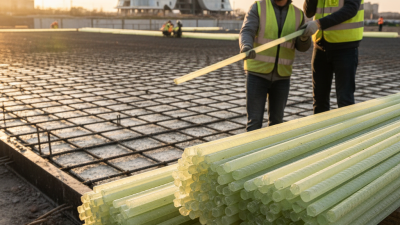
Composite Gfrp Rebar is transforming the construction industry. Its lightweight and high-strength properties make it an attractive alternative to traditional steel rebar. According to a study by MarketsandMarkets, the global FRP rebar market is expected to reach over USD 1 billion by 2025. This shift signifies a growing acceptance of Composite Gfrp Rebar in various applications.
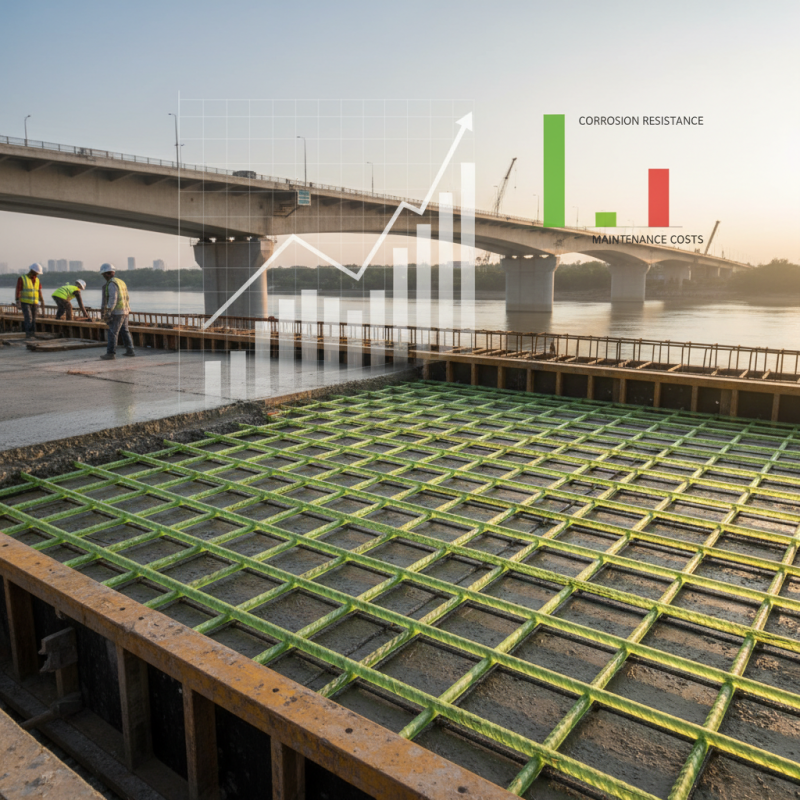
In bridge construction, Composite Gfrp Rebar offers remarkable corrosion resistance, extending the lifespan of structures. Many projects report reduced maintenance costs due to its non-corrosive nature. However, the initial investment can be higher than conventional methods. This creates a dilemma for project managers focused on budgets.
The versatility of Composite Gfrp Rebar allows its use in numerous settings, from residential buildings to infrastructure projects. Engineers are increasingly recognizing its benefits, but there are concerns. Not all projects have adequate data on long-term performance. Future studies will be essential to validate these benefits fully. Addressing these gaps will help solidify Composite Gfrp Rebar's role in modern construction.
Best Applications of GFRP Rebar in Modern Construction Projects
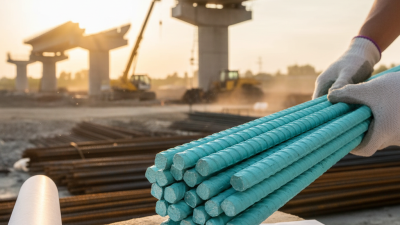
GFRP (Glass Fiber Reinforced Polymer) rebar is gaining traction in modern construction. Its lightweight nature makes it easier to handle. In coastal areas, it resists corrosion, which is a common issue with traditional steel rebar. This longevity means reduced maintenance costs over time.
In bridge constructions, GFRP rebar shows exceptional performance. It withstands harsh environmental conditions, ensuring structural integrity. However, the initial costs may be higher compared to steel. This could lead to hesitations among project managers, who often prioritize budgets.
Tips: Always consider the specific needs of your project. Assessing the environment can save costs in the long run. Using GFRP rebar where corrosion is a concern might be wise.
Additionally, GFRP is non-magnetic, which is crucial for projects requiring electromagnetic compatibility. Hospitals and research facilities often benefit from this property. However, it still requires careful planning to ensure effective implementation.
Advantages of GFRP Rebar Over Traditional Steel Reinforcement
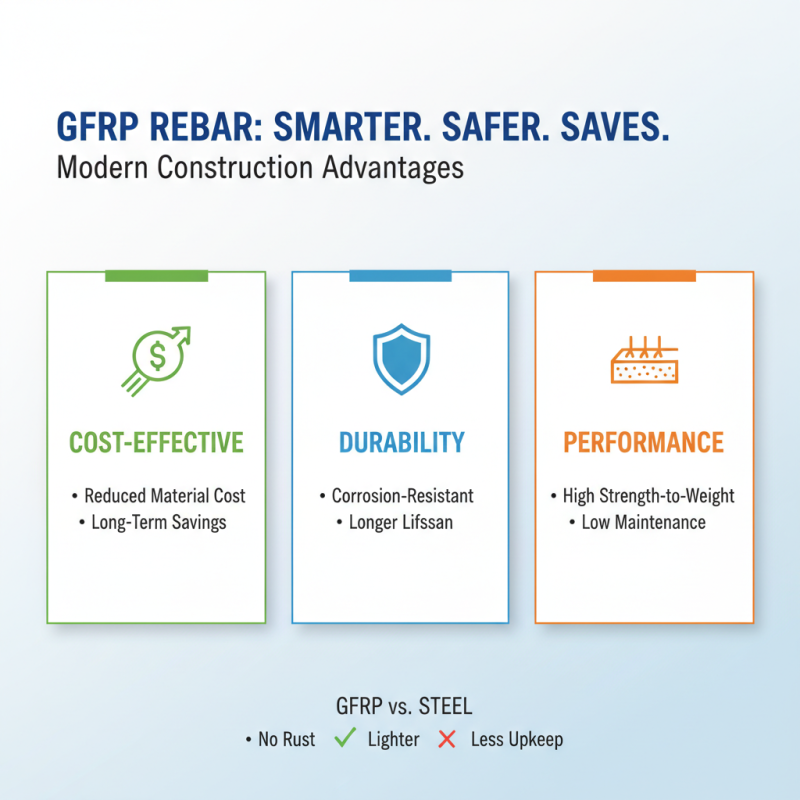
GFRP rebar has emerged as a strong alternative to traditional steel reinforcements. It is made from fiber-reinforced polymer, offering unique properties. One major advantage is its resistance to corrosion. Unlike steel, GFRP does not rust, making it ideal for structures exposed to moisture. This corrosion resistance ensures longer lifespan and less maintenance, which can reduce overall costs.
Another benefit of GFRP rebar is its lightweight nature. This characteristic simplifies handling and installation. Workers can easily transport GFRP bars, reducing labor costs. Additionally, the non-conductive properties of GFRP offer safety advantages in certain applications. Structures like bridges and dams benefit significantly from using GFRP, especially in harsh environments.
However, GFRP rebar does have some limitations. Its tensile strength, while impressive, can be lower than that of steel in specific conditions. This requires careful planning during the design phase. Engineers must consider these factors to ensure the right materials are chosen. In some instances, combining GFRP with steel may provide the best solution. The construction industry continues to explore how GFRP can be utilized effectively.
Advantages of GFRP Rebar Over Traditional Steel Reinforcement
The chart above illustrates the key advantages of GFRP rebar compared to traditional steel reinforcement. Each advantage is scored on a relative scale where higher scores indicate greater benefits. GFRP rebar offers superior corrosion resistance, significant weight reduction, effective electrical insulation, better thermal expansion properties, and increased longevity, making it an attractive choice for modern construction.
Environmental Benefits of Using GFRP Rebar in Construction
GFRP rebar, made from fiberglass, offers remarkable environmental benefits in modern construction. Traditional steel rebar contributes to environmental degradation due to mining and production emissions. In contrast, GFRP rebar has a lower carbon footprint. Its production requires less energy, making it a more sustainable choice.
Additionally, GFRP rebar is resistant to corrosion. This feature reduces maintenance costs over the lifespan of a structure. No need for frequent repairs means fewer resources used in the long run. It makes GFRP ideal for infrastructure exposed to harsh environments, like bridges or coastal areas.
Tips: Consider exploring local suppliers who specialize in GFRP rebar. They often provide insights about installation and applications. Also, be aware of the learning curve. While GFRP is easier to work with, familiarity can take time. A proper understanding ensures optimal use in projects.
Cost-Effectiveness of GFRP Rebar for Long-Term Structural Durability
GFRP (Glass Fiber Reinforced Polymer) rebar is gaining popularity in modern construction. Its cost-effectiveness is a significant advantage. Compared to traditional steel rebar, GFRP offers substantial long-term savings. It is resistant to corrosion, reducing maintenance costs. Structures using GFRP often have longer lifespans, leading to fewer replacements.
Durability plays a vital role in overall project costs. GFRP rebar can withstand harsh environments. It performs well in chemical exposure and wet conditions. This resilience can prevent premature structural failures. However, the initial investment may be higher than steel. Not all projects justify this upfront cost. Analyzing the long-term implications is crucial.
Engineers must consider specific project demands. GFRP might not be suitable for every application. Its performance can vary based on design and environmental factors. Proper assessment is necessary to ensure effectiveness. While GFRP shows clear advantages, some still question its long-term reliability. Understanding these complexities can guide better decision-making.
Future Trends in GFRP Rebar Technology and Usage in Construction
The future trends in GFRP (Glass Fiber Reinforced Polymer) rebar technology are shaping modern construction. One key area of growth is the increased use of GFRP in infrastructure projects. Bridges, tunnels, and roadways are now leveraging this material for its high resistance to corrosion. GFRP rebar is lightweight, which simplifies transportation and handling. This is crucial for projects in remote areas.
Another promising trend is the integration of smart technology with GFRP rebar. Sensors can monitor stress and damage in real-time. This capability allows for proactive maintenance strategies. However, there are challenges to address. The long-term durability of GFRP under various environmental conditions is still being studied. Construction professionals must remain cautious. Research is ongoing, but not all outcomes are guaranteed.
Furthermore, sustainability is becoming a focal point. GFRP rebar can be produced with eco-friendly materials, reducing overall carbon footprints. Construction practices may shift towards more sustainable options. Yet, understanding the full lifecycle impact is essential. Stakeholders must weigh the benefits and drawbacks carefully. This balance will define future GFRP applications and its role in eco-conscious construction.
Best Composite GFRP Rebar Uses and Advantages for Modern Construction
| Dimension |
Details |
| Material Type |
Glass Fiber Reinforced Polymer (GFRP) |
| Main Uses |
Bridges, Parking Structures, Marine Applications |
| Corrosion Resistance |
Superior to steel rebar, ideal for aggressive environments |
| Weight Advantage |
Lighter than steel, reducing overall structure weight |
| Thermal Conductivity |
Low thermal conductivity, enhancing energy efficiency |
| Future Trends |
Increased adoption in infrastructure, innovative applications |
| Environmental Impact |
Lower carbon footprint compared to traditional materials |