Best Composite Reinforcement Gfrp Rebar Innovations in Construction?
Composite Reinforcement Gfrp Rebar has emerged as a game-changer in construction. Its lightweight properties and resistance to corrosion make it ideal for various applications. According to a report by MarketsandMarkets, the global fiberglass reinforced polymer (FRP) market is projected to reach $1.25 billion by 2025. This growth signals a shift towards more innovative materials in the industry.
Despite its advantages, challenges remain in the adoption of Composite Reinforcement Gfrp Rebar. There is still a learning curve regarding its design and application. Many engineers may hesitate to switch from traditional materials due to a lack of experience. A survey by the International Journal of Composite Materials noted that only 25% of engineers are fully aware of GFRP benefits. This gap in knowledge can hinder progress in construction practices.
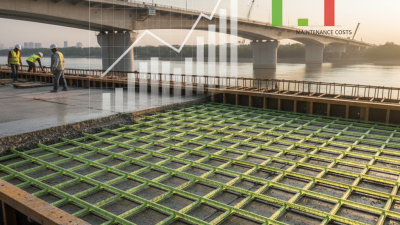
However, the potential for improved structural performance is undeniable. Composite Reinforcement Gfrp Rebar offers increased durability while reducing maintenance costs. The initial investment might be higher, but the long-term savings can be significant. Continuous education and further research into this material will be pivotal in overcoming barriers to its widespread use. The industry must focus on these innovations to fully leverage the benefits of GFRP in construction.

Overview of GFRP Rebar Technology in Modern Construction
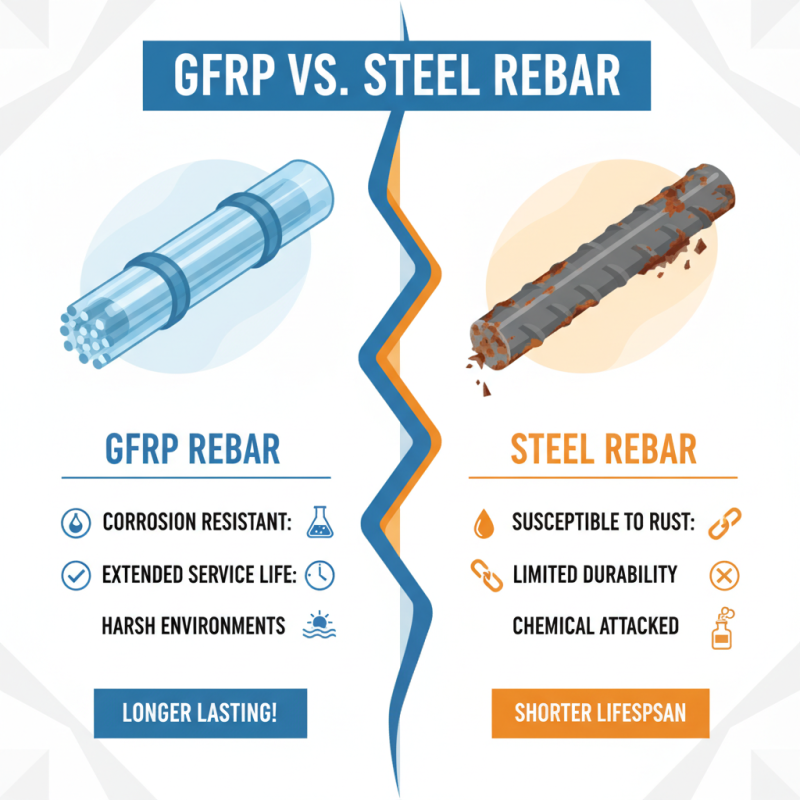
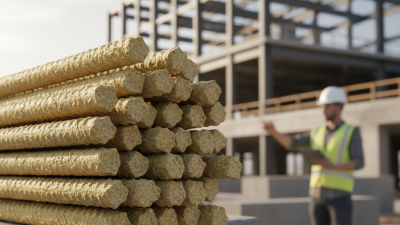
GFRP (Glass Fiber Reinforced Polymer) rebar technology is gaining traction in modern construction. This innovative material offers a lighter alternative to traditional steel rebar. Its resistance to corrosion makes it ideal for structures exposed to harsh environments, such as bridges and coastal buildings. GFRP rebar does not rust, providing durability over time.
When using GFRP rebar, it’s crucial to consider its different mechanical properties compared to steel. For example, GFRP may be more brittle and less resilient under heavy load. Understanding these limitations is essential. Builders should conduct thorough assessments of structural demands before deciding on GFRP applications.
Tips: Always consult with structural engineers when incorporating new materials. Their expertise can guide the selection process to ensure safety and performance. It's wise to test samples under varying conditions to observe their behavior. Small adjustments can lead to significant improvements in overall design. GFRP rebar shows promise but requires careful consideration of its unique characteristics.
Benefits of Using GFRP Rebar Compared to Traditional Steel Reinforcement
The use of GFRP (Glass Fiber Reinforced Polymer) rebar in construction is changing the landscape of reinforcement materials. Traditional steel rebar comes with several drawbacks, such as susceptibility to corrosion. In contrast, GFRP rebar is highly resistant to chemical attacks and does not corrode. This property alone can extend the lifespan of structures significantly. Many engineers report that structures using GFRP can potentially last longer in harsh environments.
Additionally, GFRP rebar is lighter than steel. This reduced weight allows for easier handling and transportation. Construction teams can save on labor costs due to this ease of use. However, while GFRP is strong, it is essential to consider its lower tensile strength compared to steel. This means careful calculations are necessary for specific applications. Engineers must adapt their designs to ensure that they are using GFRP to its full potential.
Moreover, GFRP's thermal expansion differs from concrete. This difference can lead to unforeseen challenges. Proper surface preparation and bonding techniques are essential for optimal performance. Engineers must reflect on their practices and consider these aspects when integrating GFRP into their projects.
Recent Innovations in GFRP Rebar Manufacturing Processes and Materials
Recent advancements in Glass Fiber Reinforced Polymer (GFRP) rebar manufacturing have transformed construction. These innovations focus on improving performance and sustainability. New materials allow for higher strength and subtle flexibility. Consequently, structures become more durable while reducing overall weight.
Emerging techniques enhance the production process. For example, automated winding techniques reduce labor and increase efficiency. Additionally, the use of experimental resins promises better durability against environmental factors. Some areas still struggle with cost-effectiveness. The expense of GFRP materials can deter widespread use, especially in budget-sensitive projects.
Despite the potential, there are limitations that warrant consideration. Often, the lack of extensive long-term data creates uncertainty in material performance. Understanding the true lifespan of new GFRP products remains a challenge. Industry stakeholders must prioritize research to solidify these products' reliability. Balancing innovation with proven methods can ensure GFRP rebar becomes a staple in modern construction.
Case Studies: Successful Applications of GFRP Rebar in Construction Projects
GFRP (Glass Fiber Reinforced Polymer) rebar is gaining traction in the construction industry due to its unique properties. Case studies reveal its successful implementation in various infrastructure projects. For instance, a bridge project in Canada utilized GFRP rebar to replace traditional steel. The result was a lightweight structure that reduced overall costs by approximately 15%. This indicates the economic advantages of using composites.
Another notable application is seen in a coastal construction project in Florida. The corrosion-resistant nature of GFRP rebar proved invaluable in a saline environment. Traditional steel rebar typically faces deterioration, but GFRP maintained integrity over time. Reports suggest that GFRP rebar increases lifespan by up to 50% in harsh conditions. However, the initial investment remains higher compared to steel counterparts, posing a challenge for some projects.
Despite these benefits, the installation process requires specialized skills. Not all construction teams are experienced with composite materials. This knowledge gap can lead to issues if not addressed. Engineers must weigh both the technical challenges and long-term benefits carefully. There's potential for GFRP rebar to revolutionize construction, yet its integration needs thorough evaluation.
Best Composite Reinforcement GFRP Rebar Innovations in Construction
This chart illustrates the performance metrics of GFRP rebar in construction projects, highlighting its load capacity, corrosion resistance over time, weight reduction, and installation efficiency.
Future Trends and Developments in GFRP Rebar Industry Innovations
The GFRP (Glass Fiber Reinforced Polymer) rebar industry is poised for significant innovation. According to a recent market report, the global GFRP rebar market is expected to grow at a CAGR of 10.2% from 2023 to 2030. This growth indicates a shift towards more sustainable building materials. GFRP rebar offers a weight advantage, which can reduce transportation costs by up to 25%. These developments align with global sustainability initiatives.
Recent findings show that GFRP rebar has superior corrosion resistance compared to traditional materials. This property can extend the lifespan of structures by more than 50%. However, adoption rates remain inconsistent across regions. Some industry professionals express concerns about the cost-effectiveness of GFRP rebar compared to steel. Initial investment can be prohibitive despite long-term savings from maintenance.
Innovative manufacturing processes are emerging to enhance the performance and application of GFRP rebar. For instance, new resin formulations boost the mechanical strength while reducing brittleness. However, the industry still seeks to address variability in quality standards. As a result, enhanced testing protocols may become essential. Investing in research and development will be critical for future growth and performance reliability in this evolving market.