2026 Best Fibre Glass Rebar Options for Construction Projects?
In the construction industry, selecting the right materials is crucial for project success. Fibre Glass Rebar has gained popularity for its unique properties. It offers excellent strength while being lightweight, making it an ideal replacement for traditional steel rebar.
Many engineers and contractors are now considering Fibre Glass Rebar for various applications. Its resistance to corrosion provides a significant advantage in harsh environments. However, there can be challenges with installation and cost. Understanding these factors can help in making informed decisions.
As you explore the best options for 2026, it’s essential to weigh the benefits and drawbacks. Each project has unique requirements that might affect the choice of materials. Reflecting on past experiences with Fibre Glass Rebar will guide future applications effectively.
Advantages of Using Fibre Glass Rebar in Construction Projects
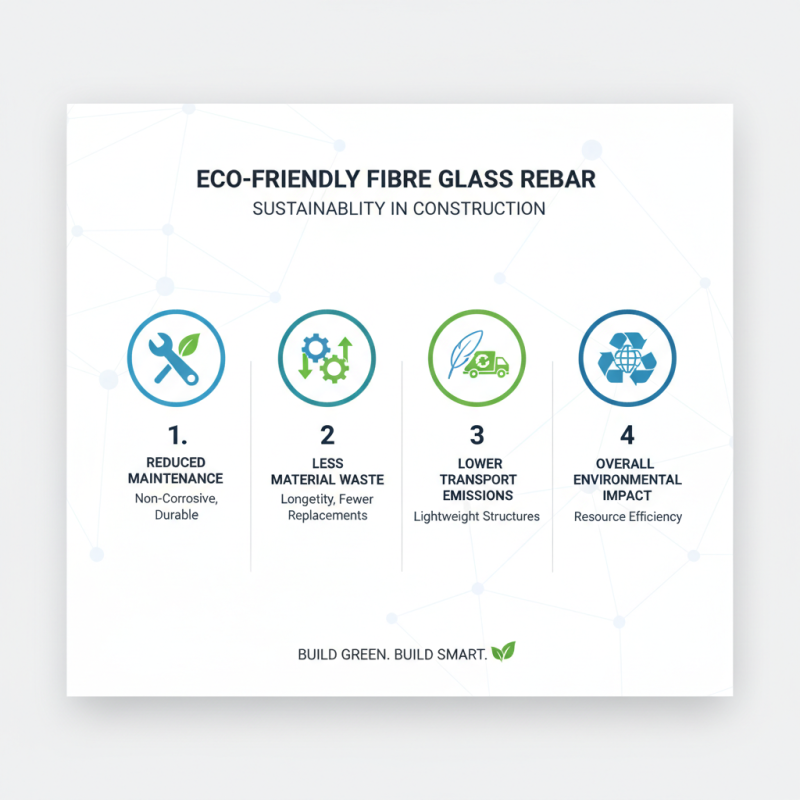
Fibre glass rebar is gaining popularity in construction projects. It offers a lightweight alternative to traditional steel rebar. This material resists corrosion, making it ideal for structures exposed to moisture. Using fibre glass rebar can significantly reduce maintenance costs over time. This is particularly beneficial for projects in coastal or humid areas.
Another advantage is its high tensile strength. Fibre glass rebar can outperform steel in various applications. For instance, it can bear greater loads while maintaining flexibility. This versatility allows engineers to design intricate structures without worrying about additional weight.
However, there are challenges. Some may find it difficult to work with during installation. Proper tools and skills are essential for a successful application.
Additionally, while fibre glass rebar is resistant to chemical damage, it can still be susceptible to UV degradation. This calls for careful consideration of the project's environment. Overall, each project may present a unique set of challenges. Balancing the pros and cons is crucial for success.
Top Factors to Consider When Choosing Fibre Glass Rebar
When choosing fibre glass rebar for construction projects, several factors play a crucial role. One key aspect is tensile strength. According to industry reports, fibre glass rebar can achieve tensile strengths of up to 80,000 psi. This high strength-to-weight ratio is vital for structural integrity. However, not all projects demand such high strengths, leading to some miscalculations in needs.
Durability is another important factor. Fibre glass rebar is resistant to corrosion, which prolongs its lifespan. This resistance is especially beneficial in areas prone to moisture and harsh chemicals. However, improper handling during installation can compromise its durability, leading to unanticipated failures. Increased awareness of these handling methods is essential for a successful project.
Cost-effectiveness also deserves attention. While fibre glass rebar may have a higher upfront cost compared to traditional materials, long-term savings on maintenance are significant. Reports suggest that projects using fibre glass may save up to 30% in lifecycle costs. Despite these benefits, some builders hesitate, often overlooking these savings due to initial investment concerns. Addressing these misconceptions is crucial for wider adoption in construction practices.
Comparison of Leading Brands of Fibre Glass Rebar for 2026
When considering options for fibre glass rebar in construction projects, several factors come into play. Lightweight and corrosion-resistant, fibre glass rebar has become a go-to choice. While many brands offer quality products, their performance can vary significantly in real-world applications.
Some manufacturers boast impressive tensile strength, while others may lag in durability. It's crucial to understand the specific environment where the rebar will be used. Not all fibre glass rebar responds equally to temperature changes or moisture exposure. Some products may expand or contract unexpectedly, causing structural concerns.
Cost is another aspect worth pondering. Premium brands may promise superior quality but come at a higher price point. Meanwhile, budget options might not deliver the desired longevity. Evaluation of long-term cost-effectiveness is essential. Quality does not always correlate with price, which can be a frustrating realization for project managers. The right choice often requires extensive research and careful consideration of each product’s specifications and real-world feedback.
2026 Best Fibre Glass Rebar Options for Construction Projects
| Property |
Option 1 |
Option 2 |
Option 3 |
| Tensile Strength (MPa) |
800 |
750 |
720 |
| Flexural Strength (MPa) |
550 |
500 |
480 |
| Weight (kg/m) |
2.5 |
2.3 |
2.0 |
| Corrosion Resistance |
Excellent |
Very Good |
Good |
| Application Area |
High-Stress Zones |
General Construction |
Standard Use |
Installation Best Practices for Fibre Glass Rebar in Construction
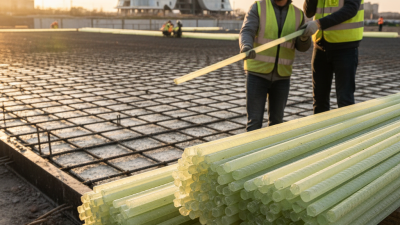
When installing fiberglass rebar, proper practices ensure strength and durability. Begin by assessing your site conditions. Wet and muddy conditions may affect the installation. Keep the rebar clean and dry before use. Any contamination can weaken bonds with concrete.
Tips: Ensure that the cuts on the rebar are smooth. Rough edges may lead to stress points later. Always follow the manufacturer’s guidelines, if available, even if they seem generic. The simplest methods can avoid costly mistakes.
Consider spacing carefully. Too close together can cause excessive stress. Too far apart can weaken structures. It’s a balancing act, requiring focus and patience. Each project has its unique needs. Reflect on past installations to avoid repeated issues. Document your findings for future reference. This helps in continuous improvement.
2026 Best Fibre Glass Rebar Options for Construction Projects
This chart displays the strength of various fibre glass rebar options available for construction projects in 2026. The values represent the compressive strength measured in MegaPascals (MPa) for each option.