Top 10 Benefits of Sandblasted Rebar for Construction Projects?
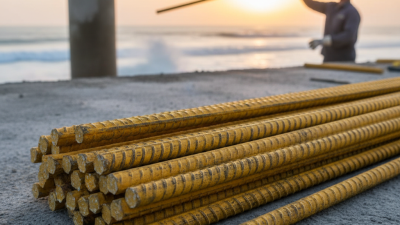
In the ever-evolving field of construction, innovative materials are crucial. One such material gaining attention is Sandblasted Rebar. This process enhances the bonding capability of rebar with concrete. As a result, structures become more durable and long-lasting.
Using Sandblasted Rebar, projects experience increased resistance to corrosion and environmental wear. It provides a textured surface that better holds onto concrete, reducing the risk of detachment over time. The benefits are tangible. However, not every contractor may recognize the full potential of this technology yet.
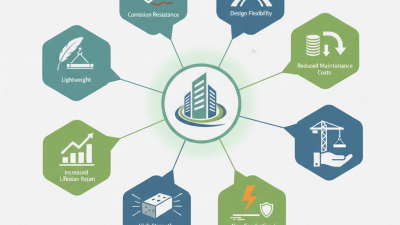
Exploring the top ten benefits reveals the undeniable advantages Sandblasted Rebar offers. From improving structural strength to optimizing cost efficiency, its applications can change project outcomes. Understanding these factors is essential for modern builders aiming for excellence in their work.
Advantages of Sandblasted Rebar in Improving Surface Adhesion
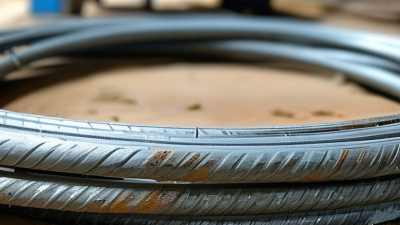
Sandblasted rebar significantly enhances surface adhesion in construction projects. Traditional rebar often faces challenges with bonding, leading to structural weaknesses. A study from the American Concrete Institute shows that surface preparation can increase bond strength by up to 30%. Sandblasting removes contaminants, such as oil and rust, that hinder adhesion. This process creates a rougher surface profile, allowing concrete to grip more effectively.
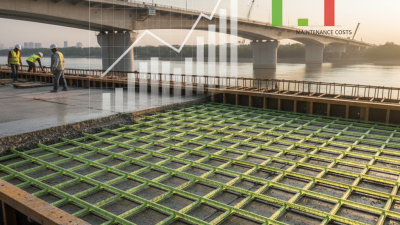
The improved adhesion from sandblasted rebar results in more durable structures. When concrete bonds tightly to the rebar, it reduces the chances of cracking and delamination. Research indicates that structures with enhanced bond strength experience longer service lives. Moreover, maintenance costs decrease over time, as fewer repairs are needed. However, not all sandblasting techniques produce optimal results. The technique must be executed carefully to avoid overblasting, which can weaken rebar.
Properly sandblasted rebar also contributes to better load distribution within concrete. This is critical in high-stress environments such as bridges and high-rise buildings. Effective adhesive properties ensure that forces are evenly distributed across the structure. However, achieving the right balance between surface roughness and material integrity can be complex. Ongoing assessments and refinements in technology are essential to address these challenges.
Impact of Sandblasted Rebar on Corrosion Resistance in Construction
Sandblasted rebar offers significant advantages in enhancing corrosion resistance for construction projects. The sandblasting process removes surface contaminants and creates a rough texture. This roughness increases bonding with concrete, resulting in improved durability. Furthermore, the rough surface allows for better drainage, reducing moisture accumulation and chemical penetration. This is crucial in areas prone to harsh environmental conditions.
Corrosion can lead to structural failures over time. Using sandblasted rebar minimizes this risk by promoting better adhesion to protective coatings. These coatings often require a clean surface for optimal performance. When rebar is sandblasted, it ensures that coatings stick effectively, providing an additional layer of protection. However, it is essential to assess the long-term effects of using sandblasted rebar under various conditions.
While these benefits are clear, there are situations where sandblasting may not be the best option. It can be more costly and time-consuming than traditional methods. Additionally, incorrect sandblasting can cause micro-cracks on the rebar surface. These defects could lead to points of weakness rather than improvement. Careful consideration of these factors is necessary when selecting materials for construction projects.
Top 10 Benefits of Sandblasted Rebar for Construction Projects
| Benefit |
Description |
Impact on Corrosion Resistance |
| Improved Surface Texture |
Sandblasting creates a rougher surface profile, enhancing bonding with concrete. |
Leads to better encapsulation and protects against moisture ingress. |
| Enhanced Adhesion |
The rough texture promotes a stronger bond between rebar and concrete. |
Reduces the risk of corrosion due to better concrete cover. |
| Rust Removal |
Sandblasting effectively removes any existing rust or scale from the surface. |
Prevents the spread of corrosion under the concrete. |
| Longer Lifespan |
Improved durability of the rebar leads to extended service life of structures. |
Decreased need for repairs due to fewer corrosion-related issues. |
| Cost-Effectiveness |
Saves costs in repairs and reinforcement over the lifespan of a project. |
Reduced long-term expenses associated with corrosion damage. |
| Increased Safety |
Stronger adhesion reduces the likelihood of structural failures. |
Less risk of accidents due to compromised structural integrity. |
| Better Aesthetic Finish |
Creates a more uniform and appealing appearance of the concrete surface. |
Improves overall project value and client satisfaction. |
| Easier Inspection |
Sandblasted surfaces are easier to inspect for defects or corrosion. |
Facilitates timely maintenance and reduces risk of major failures. |
| Sustainability |
Longer-lasting materials contribute to sustainable construction practices. |
Less waste and lower environmental impact from frequent repairs. |
| Versatility in Applications |
Suitable for various construction environments, including marine and industrial. |
Adaptable to conditions that are prone to corrosion, enhancing durability. |
Cost-Effectiveness of Using Sandblasted Rebar in Projects
Sandblasted rebar is gaining attention in the construction industry for its cost-effectiveness. Traditional steel rebar often faces issues like rust and corrosion. Sandblasting improves the surface profile, significantly enhancing its bond with concrete. This leads to increased structural integrity at a lower material cost over time.
Construction projects can see reduced maintenance costs with sandblasted rebar. Corrosion resistance means fewer repairs and longer-lasting structures. This benefit can translate into substantial savings for project owners. Using sandblasted rebar might require a slightly higher initial investment. However, these costs are frequently outweighed by the long-term benefits and savings during the project's lifecycle.
However, the application process must be closely monitored. Inconsistent sandblasting methods can lead to varying results. Not all sandblasted rebar performs uniformly, resulting in potential weaknesses. Ensuring a reliable supplier who adheres to strict standards is crucial. Quality control during the sandblasting process is essential for optimal performance.
Enhancing Structural Integrity with Sandblasted Rebar Techniques
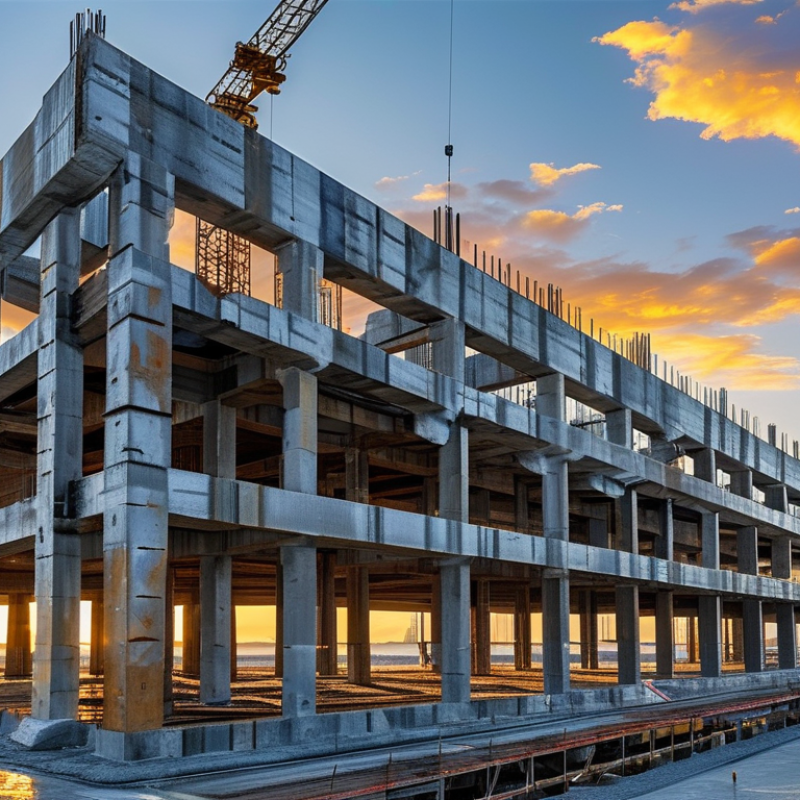
Sandblasted rebar is increasingly recognized for enhancing structural integrity in various construction projects. This technique involves using abrasive materials to remove surface contaminants. The result is a roughened texture that significantly boosts bonding with concrete. Improved adhesion is crucial for preventing delamination and extending the lifespan of structures.
In addition to better bonding, sandblasted rebar can help reduce corrosion. The rough surface creates micro-structural features that reduce water and chemical penetration. As a result, projects can be more durable, especially in harsh environments. However, one should consider the initial cost and potential need for additional protective coatings.
While the benefits are clear, it's essential to evaluate project-specific requirements. Not every construction project may require the same level of surface preparation. Sometimes, simpler methods may suffice. Understanding the project scope will ultimately determine if sandblasted rebar is the best choice for enhancing structural integrity.
Environmental Benefits of Utilizing Sandblasted Rebar in Construction
Sandblasted rebar presents significant environmental advantages for construction projects. Through the sandblasting process, rebar is stripped of contaminants. This treatment enhances its corrosion resistance. A study from the American Society of Civil Engineers (ASCE) notes that corrosion-related damage costs the U.S. construction industry over $8 billion annually. By using sandblasted rebar, these costs can be significantly reduced, leading to more sustainable building practices.
Utilizing sandblasted rebar also supports recycling efforts. The process maximizes the lifespan of existing materials. Researchers indicate that extending the lifespan of infrastructure materials by just five years can lead to a 20% reduction in overall resource consumption. This not only conserves resources but also lowers the carbon footprint associated with new production.
Tip: Consider partnering with suppliers who focus on eco-friendly practices. This choice can lead to further reductions in environmental impact. It’s also wise to evaluate your project's specific needs. Each construction site is unique, and improper assessments may lead to inefficiencies.
The shift to sandblasted rebar is promising, yet it requires careful implementation. Construction professionals must choose the right applications. Understanding both its benefits and limitations is crucial for maximizing environmental and economic outcomes.