Top 10 Benefits of Composite Gfrp Rebar for Construction Projects?
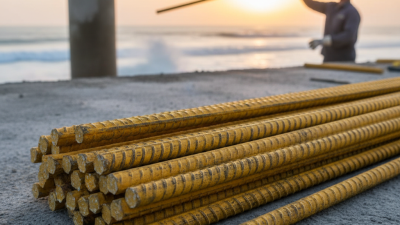
In the evolving landscape of construction, the introduction of Composite Gfrp Rebar presents exciting possibilities. This material, made from glass fiber reinforced polymer, offers a unique combination of strength and durability. Unlike traditional steel, Composite Gfrp Rebar resists corrosion, which is crucial in harsh environments.
Construction projects can benefit significantly from its lightweight nature. Workers can handle it easily, reducing fatigue and improving efficiency. However, challenges remain; the cost is often higher than steel alternatives. Yet, its long-term performance may justify this investment.
Moreover, the use of Composite Gfrp Rebar promotes sustainability. Its durability leads to fewer replacements and less waste. Still, some engineers are hesitant, needing more data on its long-term behavior. As we explore its benefits, it’s vital to address these concerns while celebrating innovation in construction methods.

Benefits of Composite GFRP Rebar in Modern Construction Practices
Composite GFRP rebar is becoming essential in modern construction practices. This material is lighter than traditional steel. Its resistance to corrosion makes it ideal for harsh environments. Structures reinforced with GFRP rebar can last longer. This reduces maintenance costs over time.
One key advantage is the ease of handling. Workers can carry and install them without heavy equipment. However, some professionals worry about the lack of familiarity with new techniques. Training may be required to ensure proper installation. Furthermore, while GFRP is non-conductive, its performance under extreme heat is still debated among experts.
The potential for increased design flexibility should not be overlooked. Architects are exploring new designs that leverage GFRP's properties. Yet, these innovative approaches may come with challenges. Testing and regulations will need to adapt to these materials. As the industry evolves, so must our understanding of these innovative reinforcement solutions.
Enhanced Durability and Corrosion Resistance of GFRP Rebar
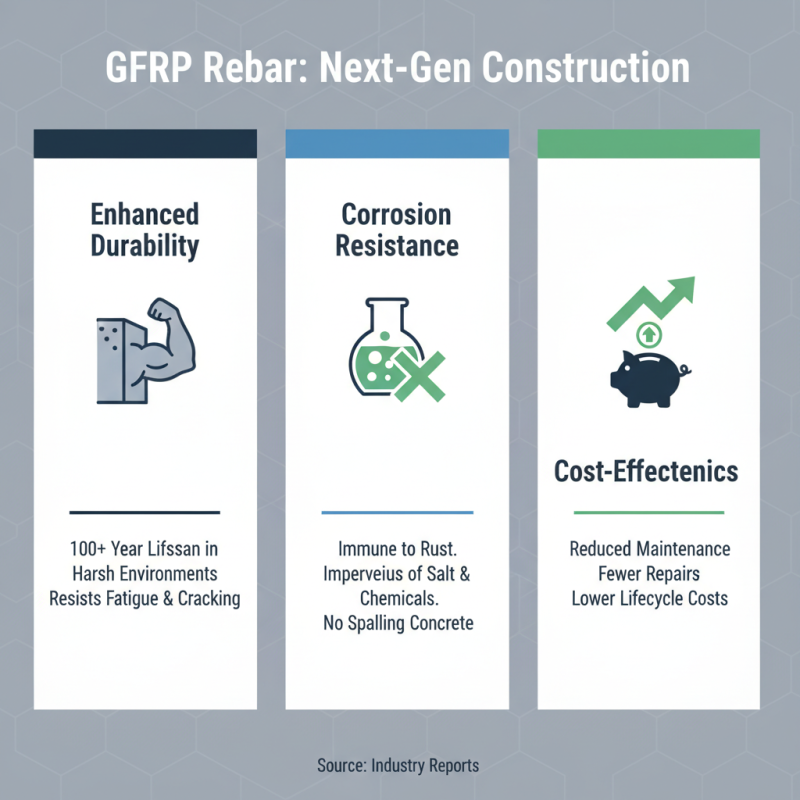
GFRP rebar, or Glass Fiber Reinforced Polymer rebar, is revolutionizing construction projects. Its enhanced durability and corrosion resistance stand out. Traditional steel rebar often corrodes, leading to structural failure. According to industry reports, the lifespan of GFRP rebar exceeds 100 years in harsh environments. This translates to lower maintenance costs and fewer repairs over time.
In coastal regions, GFRP rebar performs exceptionally well. It withstands saltwater and other corrosive elements that damage steel. Studies show that structures using GFRP rebar experience a 75% reduction in corrosion-related issues. This makes it a viable option for bridges, tunnels, and marine structures.
Tip: Consider using GFRP rebar in environments prone to corrosion. It can save costs in the long run. Also, explore detailed reports on cost-saving benefits.
While GFRP rebar offers significant advantages, it's essential to address compatibility with other materials. Some builders report challenges with bonding and overall strength compared to steel. Weighing these factors can help in making informed decisions.
Lightweight Properties of Composite Rebar for Efficient Handling
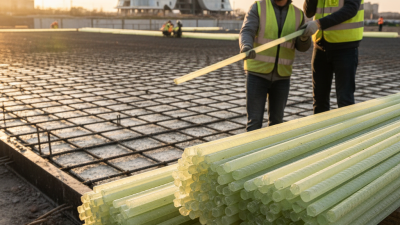
Composite GFRP rebar has gained attention in construction for its lightweight properties. These rebars are significantly lighter than steel, making them easier to handle and transport. The reduced weight can lead to a decrease in labor costs by up to 30%, as fewer workers are needed for installation.
In a recent study, it was reported that the lightweight nature of composite rebar can improve project timelines. Faster installation means quicker project completion. However, some construction teams still struggle with adapting their traditional practices to this new material. The shift can lead to challenges, especially when it comes to proper training.
Tips: Focus on training staff thoroughly to handle composite rebar efficiently. Customized workshops can help teams understand the material's benefits. Assessing site logistics early can also minimize handling issues.
Even with its advantages, there are drawbacks. Some contractors express concerns about the long-term performance of GFRP rebar in certain conditions. While it resists corrosion, the structural integrity is still a subject of ongoing research. Balancing innovation with practical concerns is essential for successful integration into projects.
Top 10 Benefits of Composite GFRP Rebar for Construction Projects
| Benefit |
Description |
| Lightweight |
Easier to handle and transport compared to traditional steel rebar, reducing labor costs. |
| Corrosion Resistance |
GFRP rebar does not corrode, increasing the lifespan of structures in harsh environments. |
| High Strength-to-Weight Ratio |
Provides superior strength without the added weight, improving structural efficiency. |
| Non-Magnetic |
Ideal for use in environments sensitive to magnetic fields, such as MRI facilities. |
| Thermal Insulation |
Acts as a thermal insulator, which can help improve energy efficiency in buildings. |
| Durability |
Resistant to chemical attacks, environmental factors, and extreme weather, ensuring long-lasting performance. |
| Reduced Noise |
Absorbs vibrations and minimizes noise, making it suitable for residential projects. |
| Design Flexibility |
Can be molded into various shapes and sizes, allowing for innovative structural designs. |
| Sustainability |
Made from non-toxic materials, contributing to environmentally friendly construction practices. |
Cost-Effectiveness of GFRP Rebar Over Traditional Steel Reinforcement
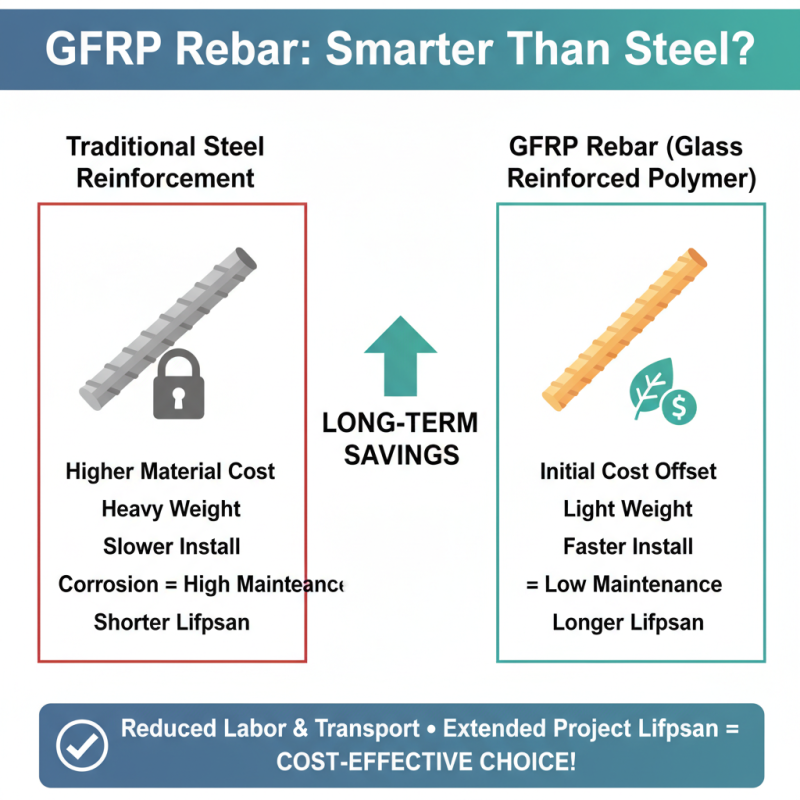
The cost-effectiveness of GFRP rebar in construction projects is notable. GFRP rebar offers significant savings over traditional steel reinforcement. While its initial price may be higher, the long-term benefits outweigh these costs. GFRP rebar is lightweight, reducing transportation and installation expenses. This can lead to shorter project timelines and lower labor costs.
Moreover, GFRP rebar is corrosion-resistant, which means it requires less maintenance over time. In environments prone to rust, like coastal areas, traditional steel can deteriorate rapidly. This not only increases repair costs but also impacts structural integrity. GFRP’s durability can save owners from costly repairs in the future.
However, it is crucial to acknowledge potential challenges. The market for GFRP is less mature than that for steel. This may lead to limited availability and higher uncertainty in sourcing. Some construction professionals might hesitate to adopt this innovative material, unsure of its long-term performance. Continued education and real-world case studies could bridge this gap, highlighting the undeniable cost benefits of GFRP rebar.
Sustainability and Environmental Impact of Using GFRP in Projects
The use of Glass Fiber Reinforced Polymer (GFRP) rebar in construction projects offers notable benefits, especially regarding sustainability. GFRP is lightweight yet strong, reducing the energy required for transportation and installation. Its corrosion resistance extends the lifespan of structures, minimizing the need for repairs and replacements. This durability means fewer materials are consumed over time, lessening overall environmental impact.
Environmental benefits extend to energy efficiency as well. Traditional steel rebar requires significant resources for production, emitting large quantities of CO2. GFRP, on the other hand, has a lower carbon footprint. However, the production of GFRP is not without challenges. It requires energy-intensive processes and careful disposal methods. It’s crucial to reflect on how these aspects can be optimized for better sustainability outcomes.
Incorporating GFRP into projects can reduce landfill waste. However, the end-of-life disposal of GFRP needs improvement. Recycling methods are still under development, and the industry must innovate to ensure responsible usage. While many advantages exist, deliberation on these challenges can enhance GFRP's role in sustainable construction.
Top 10 Benefits of Composite GFRP Rebar for Construction Projects
This chart illustrates the top benefits of using Composite GFRP Rebar in construction projects, highlighting sustainability and environmental impact.