2026 Top Trends in Fiberglass Walkway Grating Designs and Applications?
The rise of fiberglass walkway grating is reshaping various industries. These innovative materials offer strength and safety in diverse applications. Fiberglass walkway grating is ideal for environments that require durable, non-corrosive solutions. From industrial facilities to commercial buildings, its versatility shines through.
In recent years, there have been noteworthy trends in design and application. Consider the increasing focus on sustainability and environmental impact. More businesses are seeking eco-friendly materials, pushing fiberglass grating designs to evolve. This shift towards greener solutions is crucial, yet not every manufacturer is on board.
Additionally, the aesthetic appeal of fiberglass walkway grating cannot be ignored. It is not just about functionality; style matters too. New designs are emerging that blend form with function, enhancing visual appeal in public spaces. However, striking the right balance between endurance and aesthetics remains a challenge.
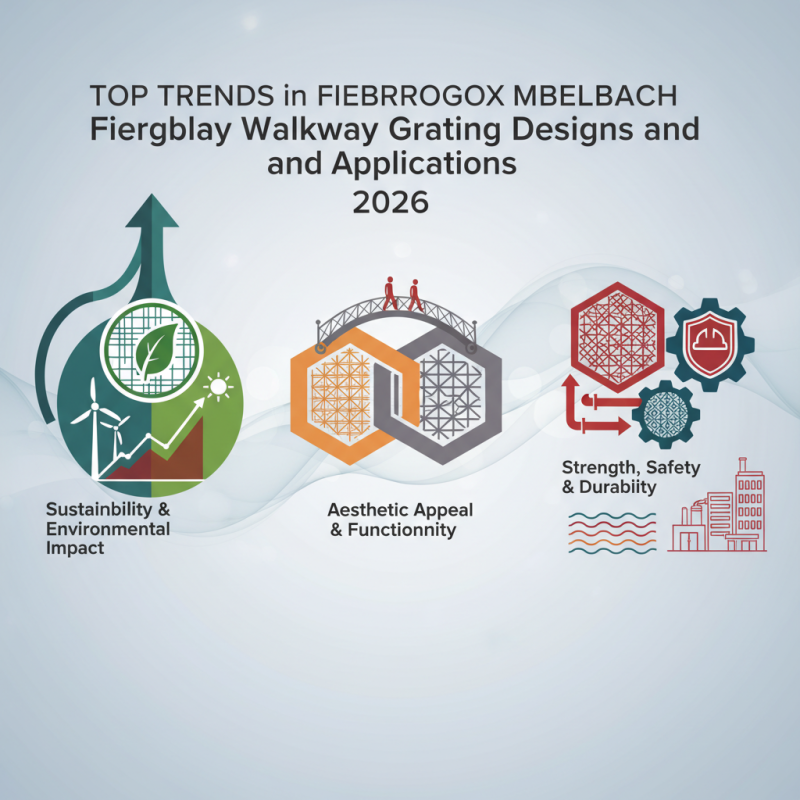
Emerging Trends in Fiberglass Walkway Grating Designs for 2026
As we progress into 2026, fiberglass walkway grating designs are set to see significant innovations. A key trend is the focus on sustainability. Many manufacturers are using recycled materials, which reduce environmental impact. This shift reflects a growing awareness about eco-friendly practices in construction. There is also an increase in the use of composite materials, which offer enhanced durability and reduced weight.
Safety is another priority in walkway grating design. Companies are developing slip-resistant surfaces that improve safety for pedestrians in various environments. This is particularly important in industrial settings, where spills and debris can create hazardous conditions. Enhanced visibility features, such as bright colors and fluorescent paints, are also gaining traction. They can alert people to potential dangers.
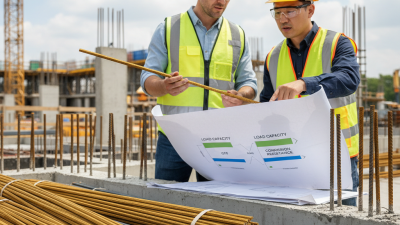
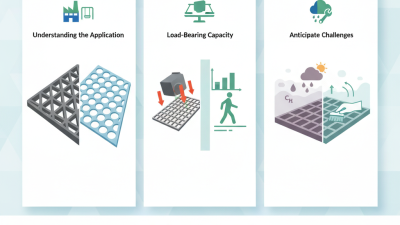
**Tips:** When selecting fiberglass grating, consider the load capacity. It’s essential to match the material to your project needs. Always check for proper certifications. Not all grating meets the same safety standards. Lastly, seek expert advice if unsure about installation. A well-designed walkway will serve you better and longer.
2026 Top Trends in Fiberglass Walkway Grating Designs and Applications
Key Performance Metrics in Fiberglass Grating: Strength and Durability
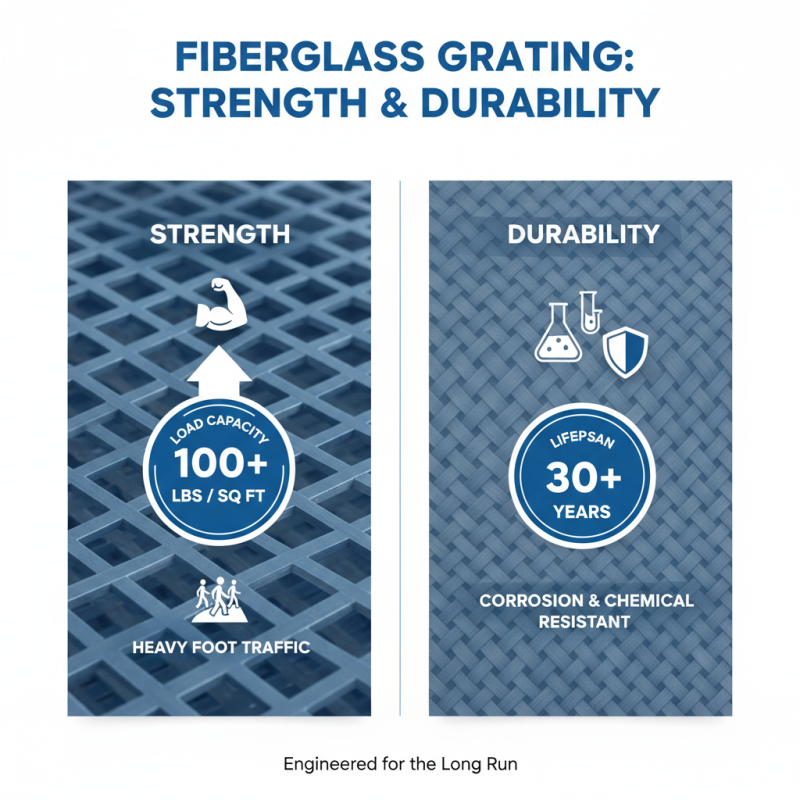
Fiberglass grating has gained traction due to its unique performance metrics. Key among them is strength. Modern designs offer impressive load capacity, often exceeding 100 pounds per square foot. This is crucial for walkways that bear heavy foot traffic. Durability is another essential aspect. Fiberglass grating materials are resistant to corrosion and chemicals. Studies indicate a lifespan over 30 years when used in the right applications.
Tips: Always consider the environmental factors where the grating will be installed. Moist environments can lead to faster degradation.
Weight-to-strength ratios of fiberglass are often better than steel. This quality makes it an attractive option for industries needing lightweight solutions. However, focusing solely on performance metrics can be misleading. Not every fiberglass grating is ideal for every situation. For example, UV exposure can weaken certain types.
Tips: Check for UV stabilization features to enhance longevity.
Ultimately, while fiberglass grating shines in strength and durability, it’s important to evaluate specific needs. Installation and maintenance also play significant roles in performance. Understanding the exact requirements will lead to better choices in fiberglass walkway design and application.
Sustainability in Fiberglass Walkway Applications: Trends and Innovations
Sustainability is changing fiberglass walkway applications. It’s not just a trend; it’s a necessity. Many industries are seeking eco-friendly solutions. Fiberglass grating is becoming popular due to its lightweight nature and corrosion resistance. This material can significantly reduce maintenance costs over time.
Recycled materials are now being integrated into grating designs. These innovations can decrease waste and lower the carbon footprint. However, the use of recycled fiberglass isn’t without challenges. There are concerns about durability and reliability. It’s crucial to strike a balance between sustainability and performance. Testing is essential to ensure that recycled products meet industry standards.
Another exciting trend is the growing use of biodegradable resins. They create a lower environmental impact. Yet, the market still lacks widespread adoption. Awareness and education are needed. Stakeholders should invest time in understanding the benefits and limitations of these materials. Retrofitting existing walkways with greener options is also a growing interest, but it requires careful planning. The journey toward sustainability is ongoing and requires collective effort.
Cost-Benefit Analysis of Fiberglass Grating vs. Traditional Materials
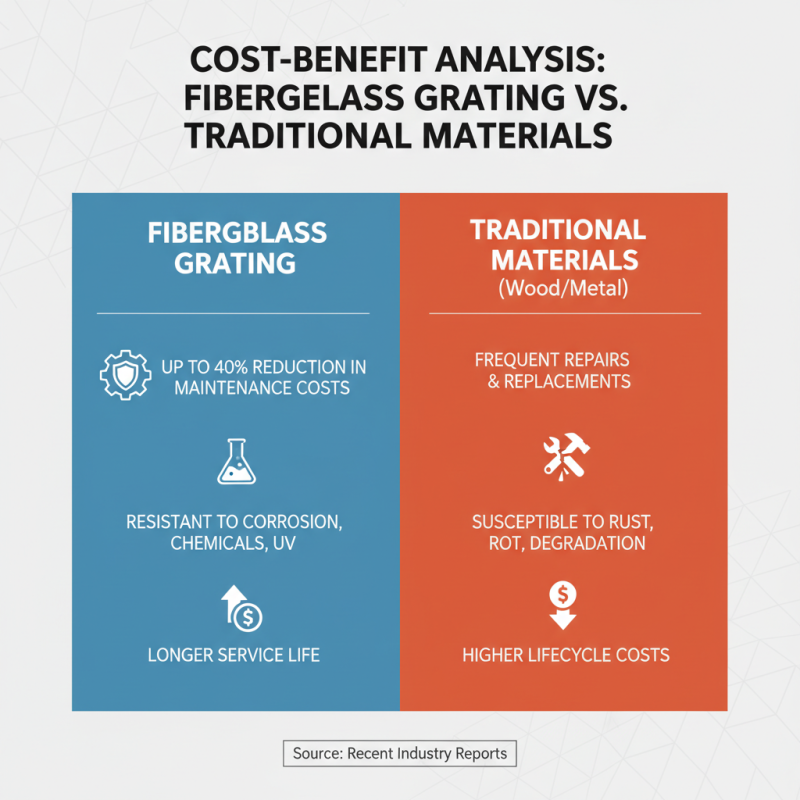
When analyzing the cost-benefit of fiberglass grating versus traditional materials, the differences are striking. According to recent industry reports, fiberglass grating can reduce maintenance costs by up to 40%. This is due to its resistance to corrosion, chemicals, and UV degradation. Traditional materials, like wood or metal, often require regular replacement and repairs, leading to ongoing expenses.
Installation costs also favor fiberglass. Studies have shown that labor costs for fiberglass grating installation can be lower by 20%. It is lighter and easier to handle compared to metals. This can significantly reduce the time workers spend on installation. For example, one facility reported a 30% reduction in project completion time when using fiberglass.
However, initial material costs for fiberglass can be higher. Some businesses hesitate to switch due to this upfront investment. But looking at long-term savings is essential. Over a typical lifespan, fiberglass grating shows a better return on investment. With reliability and lower maintenance needs, the choice may seem clear. Yet, organizations must weigh their specific needs and conditions.
Industry-Specific Applications of Fiberglass Walkway Grating in 2026
Fiberglass walkway grating is becoming essential in various industries. In 2026, we see a surge in its use for safety and durability. This material is lightweight yet strong, making it ideal for hazardous environments. From chemical plants to marine facilities, fiberglass grating provides a reliable solution for walkways.
In the construction sector, fiberglass grating is gaining traction due to its corrosion resistance. It can withstand harsh chemicals and extreme weather. This capability enhances safety in areas like wastewater treatment facilities. However, some challenges exist. The initial installation cost can be higher than traditional materials. Proper training for installation is crucial to avoid mistakes.
In the renewable energy industry, fiberglass grating is useful in solar farms and wind turbine installations. Its non-metallic nature reduces the risk of electrical conductivity. But for all its benefits, there are limitations. The material lacks flexibility and can be brittle under certain conditions. Continuous improvement in design and application will address these concerns moving forward.
2026 Top Trends in Fiberglass Walkway Grating Designs and Applications
| Application Area |
Design Trend |
Material Type |
Advantages |
Projected Growth (%) |
| Industrial Facilities |
Slip-resistant surfaces |
Reinforced fiberglass |
Durability and safety |
15% |
| Construction Sites |
Modular design |
Lightweight fiberglass |
Ease of installation |
20% |
| Marine Applications |
Corrosion-resistant coatings |
UV-stabilized fiberglass |
Longevity in harsh environments |
12% |
| Public Walkways |
Eco-friendly materials |
Biodegradable resins |
Sustainability |
10% |
| Food Processing |
Hygienic designs |
Non-porous fiberglass |
Easy to clean |
18% |